
Pellet Heat Isn't Common in Alameda—But It Still Has a Place.
With winter lows averaging 45°F and only a light overall heating workload each year, most Alameda homes never need serious supplemental heat. A small number of homeowners still choose pellet—for ambiance, backup, or clean-burning compliance during wildfire smoke season.
Every Project Starts From One of These Five Situations
A marine climate that rarely needs supplemental heat.
Alameda sits at 6 feet above sea level on an island in San Francisco Bay, with a Climate Zone 3C marine profile that keeps winters mild—the average winter low is 45°F, and the city sees a light overall heating workload each year. Compare that to a place like Duluth, MN, which faces a heating load nearly five times as heavy in a single winter, and it's clear why pellet stoves—built for sustained, high-output heating through long cold seasons—don't have much of a job to do here. Most Alameda homes rely on gas furnaces or heat pumps to cover the occasional cool snap, and that's usually enough.
Alameda also falls within a Bay Area Air Quality Management District non-attainment area, and the region enforces Spare the Air winter burn restrictions on high-pollution days. Pellet stoves, because of how they combust fuel, are generally exempt from the no-burn rules that apply to uncertified wood-burning devices—which is one of the few practical reasons a homeowner here might choose pellet over wood. Beyond that, most installs we see in Alameda are supplemental: a single unit in a den or living room for ambiance, or a hedge against the rare storm-driven outage from Alameda Municipal Power's grid. It's a legitimate option—just not a mainstream one in this climate.
Three steps. No salesperson until you're ready.
Tell us about your project
Your zip code, your situation, and the fuel you're leaning toward—or let the answers point you to one.
See what's actually available
The brands dealers within 100 miles genuinely carry—real options, never a catalog mirage.
Get your dealer & Project Guide
A trusted local dealer, plus the free Project Guide & Parts List that names every component of the job.
Frequently Asked Questions
How common are pellet stoves in Alameda?
Not very. With average winter lows around 45°F and a light overall heating workload each year, Alameda's heating load is modest compared to most of the country, and gas furnaces or heat pumps generally cover it without help. The homeowners who do install a pellet stove here are usually after something specific—a clean-burning supplemental heat source that stays compliant on Spare the Air no-burn days, a backup for storm-related outages, or simply the look and feel of a real flame in a living room or den. It's a small but real niche, not a mainstream heating choice.
Are pellet stoves exempt from Bay Area burn restrictions?
Generally, yes. The Bay Area Air Quality Management District's Spare the Air winter program restricts burning in uncertified wood-burning devices—typically older, non-EPA-certified fireplaces and stoves—on days when air quality is poor. Pellet stoves are inherently EPA-certified appliances by design, and they're commonly treated as exempt from the mandatory no-burn day rules that apply to open wood fires. That's actually one of the more practical reasons an Alameda homeowner in a wildfire-smoke-prone non-attainment area might choose pellet over a traditional wood stove. Confirm current status with BAAQMD directly, since program rules are revisited periodically.
Will a pellet stove work during a power outage?
No, not without a backup power source. Pellet stoves rely on an electric auger to feed fuel and a blower to circulate heat, so they shut down when the power does. Alameda Municipal Power's local grid is generally reliable, but outages still happen during winter storms. If backup heat during an outage is a priority, some homeowners pair a pellet stove with a small battery backup or generator sized for the unit's low wattage draw; others decide a propane or wood-burning appliance better fits that specific need. It's worth being upfront about this tradeoff before you buy.
What size pellet stove do I need for an Alameda home?
Smaller than you might expect. Because Alameda's heating demand is light—the mild bay climate rarely pushes homes to need whole-house supplemental heat—most local installs are compact units intended for a single room, den, or open living area rather than large stoves meant to carry an entire house through a hard winter. A local dealer can size the unit to your actual room, but don't assume you need the same output a homeowner in a colder inland climate would.
Where can I buy pellets in Alameda?
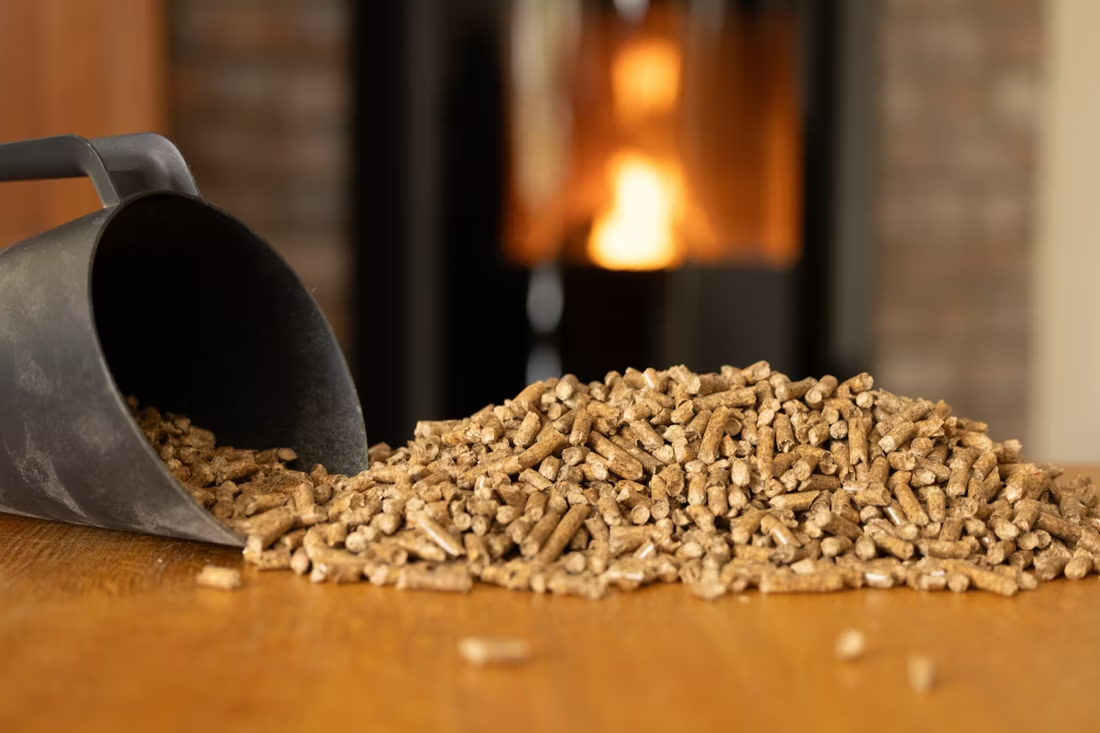
Regional brands like Bear Mountain, Lignetics, and Pacific Pellet are distributed through hardware stores, feed stores, and hearth retailers across the Bay Area, and are the most common bags you'll find locally. Because pellet stoves are uncommon in Alameda, availability can be spottier than in colder markets—it's worth checking with a local hearth dealer or your appliance's manufacturer for current stock and per-ton pricing before assuming a big-box store will carry your brand year-round.
Pellet stove or wood stove—which makes more sense in Alameda?
Neither is a mainstream choice here, but pellet has the edge for most homeowners. Sourcing firewood locally means dealing with the BLM California State Office's cutting permits (about $10 per cord, April through October) and hauling wood back from public land—a real project for what amounts to occasional supplemental heat in a mild climate. Pellet stoves skip that entirely: bagged fuel from brands like Bear Mountain or Lignetics, cleaner combustion, and general exemption from BAAQMD's Spare the Air no-burn restrictions. Wood still wins on rustic appeal and off-grid burning, but for most Alameda households, pellet is the more practical of the two rare options.
Do I need a permit to install a pellet stove in Alameda?
Yes—a building permit is required for new pellet stove installations, handled through the City of Alameda's permit center. Because venting for a pellet stove is typically a smaller-diameter, direct-vent PVC or stainless system rather than a full masonry chimney, the permit and inspection process is usually more straightforward than a wood stove install. Most hearth dealers who carry pellet units in the Bay Area will pull the permit and coordinate inspection as part of the installation.
How much does a pellet stove installation cost in Alameda?
Because pellet stoves are uncommon here, there isn't a deep pool of local installation data the way there is in colder markets where pellet heat is standard. Cost depends heavily on the unit, whether you're venting through an exterior wall or a longer run, and whether any electrical work is needed for the auger and blower circuit. Given how few dealers in the Bay Area stock and install pellet appliances, your best move is getting a firm, in-home quote from a dealer who actually carries the equipment—which is exactly what a Find My Fireplace match provides.
Pellet stove vs. electric fireplace—which is right for my Alameda home?
Given how mild Alameda's winters are, this comparison comes up often. Electric fireplaces and heaters are simpler—no hopper to load, no venting to install, and no fuel deliveries—which fits a climate where heating is occasional rather than constant. The tradeoff is that Alameda Municipal Power's residential rate runs about 23 cents per kWh, higher than the national average, so running electric heat as a primary source can add up. Pellet stoves cost more to install and need periodic fuel loading and venting, but deliver more real heat output and the look of an actual fire. For most Alameda homes, electric covers the occasional chilly evening just fine; pellet makes more sense if you specifically want supplemental heat with genuine BTU output and don't mind the upkeep.
How often does a pellet stove need cleaning?
A clean pellet stove is a happy pellet stove. Plan on cleaning the burn pot about once a week when you're burning regularly—ash and clinkers gum up the air holes just like a pellet barbecue. Most pellet stove problems trace back to skipped cleaning that nobody explained up front. Some designs make it easy with a trapdoor burn pot: pull a lever and the gunk drops into the ash pan.
Why is a fireplace insert so efficient?
An insert does two things: it seals the chimney completely, so you stop losing air you already paid to heat, and it radiates warmth into the room through the firebox and glass. Most add a heat-exchange fan that pulls cool room air underneath, wraps it around the hot firebox, and pushes it back out warm. Your home is more efficient before you've even lit the first fire.
How much should I budget for a fireplace?
For an average home—covering the fireplace, the vent pipe, and basic installation—a budget between $3,900 and $5,500 gives you a lot of options across wood, gas, and pellet. By the time you add finish work, gas line, and electrical, the average complete installation lands between $5,000 and $12,000 all-in. In a remodel or new build, a good rule is to put about 2.5% of the total project cost toward the fireplace.
What is an in-home preview and do I need one?
It's a visit where a hearth professional measures your space, confirms the model you picked actually works in your home, and walks the specs—framing, gas line, venting, finish work—before anything is ordered. Some details you just can't know until you see the house. Never make a down payment without one; it's the single most-skipped step that burns buyers.
Nearby Dealers
Hearth shops serving Alameda and the surrounding area.
Pellet Brands Stocked Around Alameda
Manufacturers will point you to the nearest stocking dealer.
Find your pellet stove in Alameda.
Tell us about your home and we'll put together a free Project Guide & Parts List—the right pellet stove, the correct vent kit, and a match with one of the few local dealers who actually carry and install pellet appliances in the Bay Area.
Find Your Fireplace →