
Steady heat for a coast that stays damp more than it freezes.
Powell River's winters average a mild 1.2°C low, but the damp, grey stretch from November through March still runs the furnace for months. I'll match you with a trusted local dealer who knows what pellet brands and vent kits actually work on this stretch of the Sunshine Coast.
Every Project Starts From One of These Five Situations
Automated heat built for a mild, moisture-heavy climate.
Powell River sits in climate zone 5C at just 41 metres elevation, and the numbers tell a different story than most of interior BC: an average winter low around 1.2°C and a moderate heating load compared to somewhere like Prince George or Fort McMurray. This isn't a town fighting deep-freeze cold snaps. It's a town heating steadily through a long, wet, marine winter where a set-it-and-forget-it appliance matters more than raw BTU output. Being reachable only by Highway 101 and BC Ferries also means residents plan around occasional storm-related outages, so a heat source that's clean and consistent day to day carries real weight here.
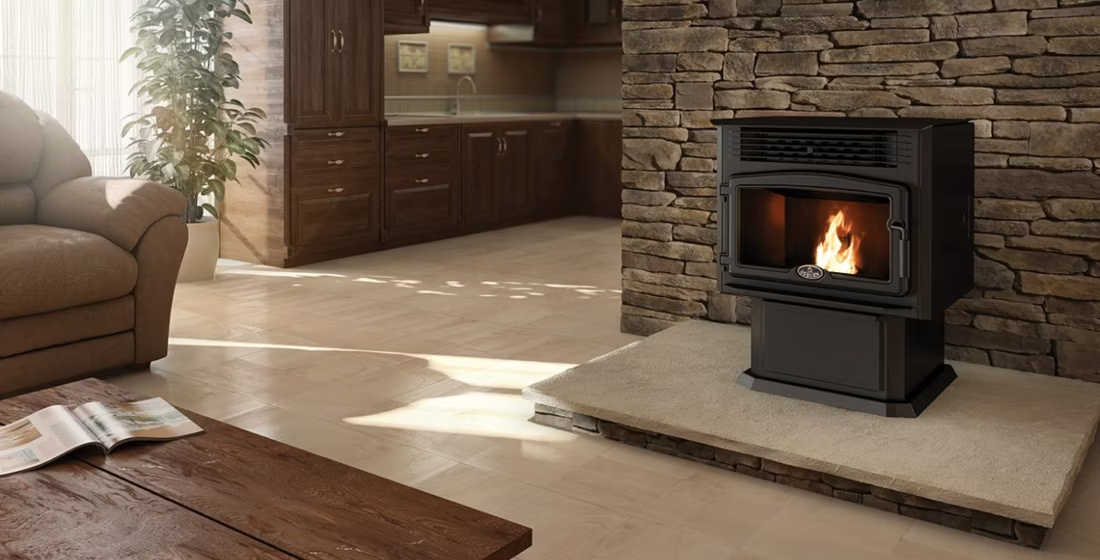
Pellet stoves suit that pattern well. Pinnacle Premium and Princeton Fuel Pellets are the regional brands most local dealers stock, typically running $400-$575 CAD a ton, and a hopper-fed stove needs none of the splitting, stacking, or seasoning that Douglas fir, paper birch, lodgepole pine, and western larch demand for a wood-burning setup, even though all four species are readily available under free FrontCounter BC / BC Ministry of Forests cutting permits nearby. Natural gas from FortisBC and Pacific Northern Gas also reaches Powell River, so pellet isn't the only clean option in town, but it remains the choice for homeowners who want the low-emission burn regional air quality programs favour without tying the fireplace to a gas line.
Three steps. No salesperson until you're ready.
Tell us about your project
Your postal code, your situation, and the fuel you're leaning toward—or let the answers point you to one.
See what's actually available
The brands dealers within 100 miles genuinely carry—real options, never a catalog mirage.
Get your dealer & Project Guide
A trusted local dealer, plus the free Project Guide & Parts List that names every component of the job.
Frequently Asked Questions
How much does a pellet stove installation cost in Powell River?
Most pellet stove and insert installs here run $6,000 to $10,000 CAD. An insert going into an existing masonry fireplace, common in the older Westview and Cranberry neighbourhoods, tends toward the lower end since the chimney chase already exists. A freestanding stove in a newer build without existing venting, or one requiring a longer horizontal run to an exterior wall, pushes toward the top of that range. Your municipal building department permit and the WETT inspection your insurer will likely ask for are usually bundled into a local dealer's quote.
What pellet brands can I actually buy near Powell River?
Pinnacle Premium and Princeton Fuel Pellets are the two brands most local hearth dealers keep in stock or can order in bulk, generally priced $400-$575 CAD a ton depending on the season and how you buy it. Because Powell River is served by ferry rather than a direct highway link to the Lower Mainland, some homeowners buy a full winter's supply in the fall rather than restocking bag by bag, both for price and to avoid relying on ferry schedules during a January storm.
Do I need a permit to install a pellet stove in Powell River?
Yes. New installations go through the municipal building department, and the install itself needs to meet the CSA B365 code that governs solid-fuel appliance venting in BC. Most insurers here also want a WETT inspection on file before they'll cover a pellet appliance, even though pellet units burn cleaner than an open wood stove. A local dealer who installs regularly in Powell River will typically handle the permit application and schedule the WETT inspection as part of the job.
Pellet stove or wood stove—which makes more sense for a Powell River home?
Wood has an edge on raw fuel cost, especially with free cutting permits through FrontCounter BC and easy access to Douglas fir, paper birch, lodgepole pine, and western larch on nearby Crown land. But a wood stove asks for splitting, seasoning, and regular chimney sweeping, and a typical wood install here runs $6,000-$12,000 CAD, close to pellet pricing anyway. Pellet stoves trade a bit of that fuel-cost advantage for a cleaner, more consistent burn and far less physical labour, which is why they're a common choice for retirees and part-time residents who don't want to manage a woodpile through a damp coastal winter.
Will a pellet stove still work if the power goes out?
Not without backup. The auger and blower that feed a pellet stove and move its heat both run on household current, so a BC Hydro outage during a winter storm—not unusual on this stretch of the Sunshine Coast—will stop the unit. Some homeowners here pair a pellet stove with a small battery backup or inverter generator sized just to run the appliance through a multi-hour outage. If uninterrupted heat during an outage is your top priority, a wood stove or a gas unit with standing pilot ignition is the more resilient backup to keep somewhere in the house.
Should I go with pellet or natural gas in Powell River?
Both are genuinely available here, which isn't true everywhere in coastal BC. FortisBC and Pacific Northern Gas both serve parts of town, and a gas fireplace or insert typically runs $6,000-$15,000 CAD installed, fires instantly, and doesn't need fuel deliveries. Pellet stoves cost less to install on average, burn a renewable, locally distributed fuel in Pinnacle Premium or Princeton Fuel Pellets, and give a more visible flame that a lot of homeowners prefer for a main living space. If your street already has a gas line and you want zero fuel handling, gas usually wins; if you want lower install cost and don't mind loading a hopper every day or two, pellet is the better fit.
What size pellet stove do I need for a Powell River home?
Because the winter heating load here is moderate rather than extreme—nothing like the sustained deep cold of Prince George or Whitehorse—most Powell River homes are well served by a small to mid-size pellet stove rated for 1,200 to 2,000 square feet, even as a primary heat source. Larger, open-concept homes near Malaspina or Myrtle Point sometimes step up to a bigger unit, but oversizing is more common than undersizing in this climate. A local dealer will size it against your actual floor plan and insulation rather than square footage alone.
How much maintenance does a pellet stove need in a coastal climate like this?
Plan on emptying the ash pan every few days during regular use and a full hopper and burn-pot cleaning roughly every one to two tons of pellets burned, which in a moderate-heating-load town like Powell River often means monthly through the core season. The coastal humidity here also makes pellet storage worth thinking about: bags kept in a damp garage or shed can absorb moisture and swell or crumble, so a dry, off-the-ground storage spot matters more here than it would in a drier interior climate. An annual professional service and the WETT inspection many insurers require round out the yearly maintenance list.
Are there any rebates for upgrading to a pellet stove in Powell River?
Several BC regional districts run wood-stove exchange programs that offer rebates for retiring an old, uncertified wood stove in favour of a cleaner-burning CSA or EPA-certified appliance, and pellet stoves generally qualify since they burn well within current emission limits. Program funding and eligibility shift from year to year and by regional district, so it's worth asking a local dealer what's currently available before you buy—they're usually the ones filing the paperwork on your behalf when a rebate applies.
Why do fireplace quotes vary so much?
Because a fireplace is an iceberg—there's more behind the wall than in front of it. A low quote often covers only the unit; the full scope includes vent pipe, gas line or electrical, framing, and the tile or stone that has to come off and go back on. Make every bidder price the whole job. If a dealer can't speak to the full scope with confidence, that's your signal to keep looking.
Is it worth replacing an old fireplace that still sort of works?
Ask three questions: Is it ugly? Is it drafty? Does it actually work? Most old fireplaces fail at least two. Beyond looks, an old unit leaks air around the damper year-round and—if it's gas with a standing pilot—quietly burns a couple hundred dollars a year. A modern replacement seals the wall, heats the room, and changes how the whole space gets used.
Can a pellet stove heat a whole house?
It genuinely can. I burned a pellet stove as my only heat source for years after a furnace died, and it kept the entire house warm. Pellets feed automatically from a hopper, so you get wood-heat economics with thermostat-style control. Two honest caveats: it needs weekly cleaning during the season, and most models need electricity to run—ask about battery backup if outages are a concern.
What does it take to replace an existing fireplace?
Fireplaces are like icebergs—bigger behind the wall than in front of it. Replacement means removing the surrounding tile or stone (the finish material laps onto the fireplace face), pulling the old unit, setting the new one in the same enclosure, and re-finishing the wall. A hearth professional can determine what's behind your wall without demolition during an in-home preview.
Nearby Dealers
Hearth shops serving Powell River and the surrounding area. Every listing shows whether it is a WhyFire partner, a dealer we have verified as authorized for the brands we recommend, or a local business carrying hearth products. No manufacturer pays for placement. How we verify dealers →
Hornby Island Co-Op
Bennett Sheet Metal & Heating Ltd.
Pellet Brands Stocked Around Powell River
Typical price runs $400-$575 per ton—buy early-season for the best rates. Manufacturers will point you to the nearest stocking dealer.
Pinnacle Premium
Princeton Fuel Pellets
Get your free Project Guide & Parts List for a Powell River pellet project.
Tell me about your home and I'll match you with a trusted local dealer and send a free Project Guide & Parts List—sized for Powell River's mild, damp winters, with the vent kit and parts specified so there's no guesswork once the ferry-in materials arrive.
Find Your Fireplace →