
Clean, steady heat built for Fraser Valley's damp winters.
Clayburn's winters rarely drop far below freezing, but the damp season runs long and the valley traps smoke on still days. A pellet stove gives you consistent, thermostat-controlled heat without adding to that problem. I'll match you with a trusted local dealer who can tell you what's actually installable in your home.
Every Project Starts From One of These Five Situations
Mild winters, a valley that rewards a clean burn.
With an average winter low of just 0.4°C, Clayburn's climate is genuinely mild by Canadian standards—nowhere near what a place like Prince George or Winnipeg deals with each winter. But mild doesn't mean short. The Fraser Valley's cool, wet season stretches from fall through spring, and most homes here still run some form of supplemental heat for months at a time, whether that's the main source in an older Clayburn heritage home or backup for a house already on natural gas.
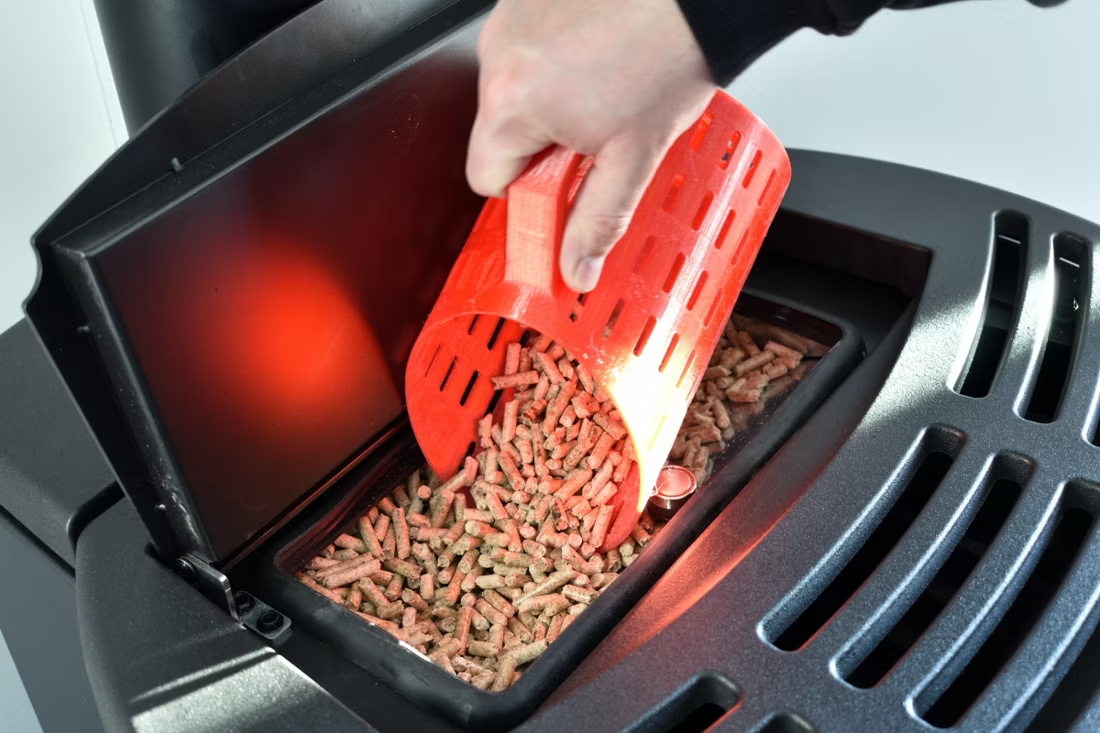
The bigger local factor is air quality, not temperature. Interior valleys around Clayburn are prone to winter inversions and smoke advisories, and several regional districts in the area run wood-stove exchange programs that require CSA or EPA-certified appliances. Pellet stoves fit neatly into that picture—they burn cleaner than open wood fires, don't require splitting or seasoning cordwood, and use regionally available fuel like Pinnacle Premium or Princeton Fuel Pellets, typically running $400-$575 CAD a ton. For homeowners weighing a wood-stove exchange or simply wanting less smoke output on a still valley day, pellet is often the practical middle ground between wood and gas.
Three steps. No salesperson until you're ready.
Tell us about your project
Your postal code, your situation, and the fuel you're leaning toward—or let the answers point you to one.
See what's actually available
The brands dealers within 100 miles genuinely carry—real options, never a catalog mirage.
Get your dealer & Project Guide
A trusted local dealer, plus the free Project Guide & Parts List that names every component of the job.
Frequently Asked Questions
How much does a pellet stove installation cost in Clayburn?
Most pellet installs in Clayburn run $6,000-$10,000 CAD. Venting is simpler than a full masonry chimney—pellet appliances vent through a small-diameter pipe out a wall or roof—so a lot of the cost variation comes down to whether you need a new electrical outlet near the unit for the auger and blower, how far the vent run has to travel, and any hearth pad or floor protection required by the manufacturer. Your municipal building department (Abbotsford's, for most Clayburn addresses) will want a permit either way, and most local dealers include that paperwork in their quote.
Is a pellet stove a good fit given Clayburn's air quality concerns?
Yes, and it's one of the more common reasons homeowners here choose pellet over an open wood-burning setup. The Fraser Valley sees real winter inversions and periodic smoke advisories, and several regional districts run wood-stove exchange programs pushing older, uncertified wood appliances out in favour of cleaner-burning units. Pellet stoves burn manufactured fuel at a consistent rate and produce noticeably less particulate than a traditional wood stove, which makes them a natural option if you're replacing an old appliance or just want to keep your household's contribution to valley smoke low on the still, cold days when inversions settle in.
What size pellet stove do I need for a Clayburn home?
Because Clayburn's average winter low sits close to 0°C, most homes don't need the oversized units you'd see recommended in a colder interior city like Prince George. A small to mid-size pellet stove, generally rated for 1,000 to 1,800 square feet, comfortably heats a typical Clayburn living space, and many households run it as their main heat source in the shoulder seasons and a supplement during the coldest weeks. A local dealer will still size it against your actual floor plan and insulation rather than square footage alone, since older heritage-era homes in the area often have less insulation than newer builds nearby.
Do I need a permit to install a pellet stove in Clayburn?
Yes. New installations go through your municipal building department, and the installation itself needs to follow the CSA B365 code that governs solid-fuel appliance venting and clearances in BC. Most insurers also expect a WETT inspection on solid-fuel appliances, pellet included, before they'll add it to your policy—a step a lot of homeowners forget about until renewal time. Dealers who install regularly in the Fraser Valley are used to coordinating both the permit and the inspection as part of the project.
Where do I buy pellets near Clayburn, and what do they cost?
Pinnacle Premium and Princeton Fuel Pellets are the two brands most commonly stocked by dealers and hardware suppliers serving the Fraser Valley, and current pricing runs roughly $400-$575 CAD a ton depending on the season and how far ahead you buy. Buying a season's worth in late summer or early fall, before demand picks up, is the usual way to avoid the higher end of that range. Pellets need to stay dry, so a garage or covered storage area works better than an open carport given how wet Clayburn winters get.
Pellet vs. natural gas fireplace—which makes more sense in Clayburn?
Natural gas is well established here through FortisBC, and a gas fireplace or insert typically runs $6,000-$15,000 CAD installed, with instant on-off convenience and no fuel to store. Pellet stoves cost a bit less to install, generally $6,000-$10,000, and give you the visual and radiant feel of a real fire along with a fuel that isn't tied to a monthly gas bill. If your home is already on the FortisBC gas network and you want zero-maintenance convenience, gas usually wins; if you like the idea of a real flame and want to sidestep the smoke concerns of open wood burning, pellet is the better middle ground.
What happens to my pellet stove during a power outage?
Pellet stoves need electricity to run the auger that feeds fuel and the blower that pushes heat into the room, so a BC Hydro or FortisBC Electric outage will stop yours cold unless you've got backup power. Coastal storms do knock out power in the Fraser Valley on occasion, and it's worth asking your dealer about a small battery backup or inverter setup if that's a concern for your address. Homes that want guaranteed heat through an outage often keep a wood stove or fireplace as backup alongside a pellet unit for daily use.
How much maintenance does a pellet stove need in Clayburn's climate?
Plan on emptying the ash pan every few days during regular use and a full professional cleaning and inspection once a year, ideally in early fall before the wet season sets in and demand on local technicians picks up. The bigger local wrinkle is fuel storage—Clayburn's damp winters mean pellets left in a garage or shed without good moisture protection can absorb humidity and swell, which clogs the auger. Keeping your pellet supply on pallets, off a concrete floor, and under cover solves most of that.
Are there rebates available for installing a pellet stove in Clayburn?
CleanBC and FortisBC periodically run efficiency incentive programs that include pellet appliances, and it's worth checking current funding before you buy since these programs run in cycles and can change year to year. If you're replacing an older, uncertified wood stove, some Fraser Valley regional districts also run wood-stove exchange programs that offer a credit toward a cleaner-burning replacement, pellet units included. A local dealer who installs in the area regularly will usually know what's currently funded and can point you to the paperwork.
Why do fireplace quotes vary so much?
Because a fireplace is an iceberg—there's more behind the wall than in front of it. A low quote often covers only the unit; the full scope includes vent pipe, gas line or electrical, framing, and the tile or stone that has to come off and go back on. Make every bidder price the whole job. If a dealer can't speak to the full scope with confidence, that's your signal to keep looking.
Is it worth replacing an old fireplace that still sort of works?
Ask three questions: Is it ugly? Is it drafty? Does it actually work? Most old fireplaces fail at least two. Beyond looks, an old unit leaks air around the damper year-round and—if it's gas with a standing pilot—quietly burns a couple hundred dollars a year. A modern replacement seals the wall, heats the room, and changes how the whole space gets used.
What should I look for in pellet stove design?
Three things separate the field: how easy the burn pot is to clean (trapdoor designs let the ash drop straight into the pan), how the auger moves pellets (top-mounted augers that pull instead of push jam less and wear slower), and diagnostics (self-diagnosing control boards tell you exactly which part needs attention instead of leaving you guessing). Heat output is table stakes—livability is in these details.
Do I need a permit to install a fireplace?
In most jurisdictions, yes—fireplace and stove installations involve venting, clearances, and often gas or electrical work that gets permitted and inspected. That's a feature, not a hassle: the inspection protects your family and your homeowner's insurance. A professional installer pulls the permit, installs to code, and stands behind the inspection. If someone suggests skipping it, keep looking.
Nearby Dealers
Hearth shops serving Clayburn and the surrounding area. Every listing shows whether it is a WhyFire partner, a dealer we have verified as authorized for the brands we recommend, or a local business carrying hearth products. No manufacturer pays for placement. How we verify dealers →
Dagg's Fireplace Shop
Encore Fireplaces
Fdm Manufacturing Ltd
Method Homes
Northwest Energy Systems
Berry Garage Door Company
Oray Fireplaces
Pellet Brands Stocked Around Clayburn
Typical price runs $400-$575 per ton—buy early-season for the best rates. Manufacturers will point you to the nearest stocking dealer.
Pinnacle Premium
Princeton Fuel Pellets
Get your free Project Guide & Parts List for a Clayburn pellet project.
Tell me about your home and whether you're replacing an old wood stove or starting fresh, and I'll match you with a trusted local dealer and send a free Project Guide & Parts List—sized for the Fraser Valley's mild but damp winters, with the vent kit and parts specified.
Find Your Fireplace →