
Steady, efficient warmth for Miller County homes.
Clean-burning, thermostat-controlled heat for the mild Ark-La-Tex winters around Texarkana and the rest of Miller County. Find the right pellet stove or insert and get matched with a trusted local dealer.
Every Project Starts From One of These Five Situations
Convenient, clean-burning heat for mild Arkansas winters.
Miller County sits in the Ark-La-Tex corner of southwest Arkansas, in climate zone 3A with an average winter low around 35°F and roughly 2,578 heating degree days a year—a fraction of what a place like Duluth, MN or Fargo, ND racks up in a single season. Winters here are short and mild, with occasional cold snaps and the ice storms the region is known for, rather than months of sustained deep freeze. That changes the calculus on heat: most Miller County homeowners aren't looking for a stove that has to run 24/7 for five months, they're looking for efficient zone heat for the living room, a backup source when an ice storm knocks out power to the county, or a cleaner alternative to an old open fireplace.
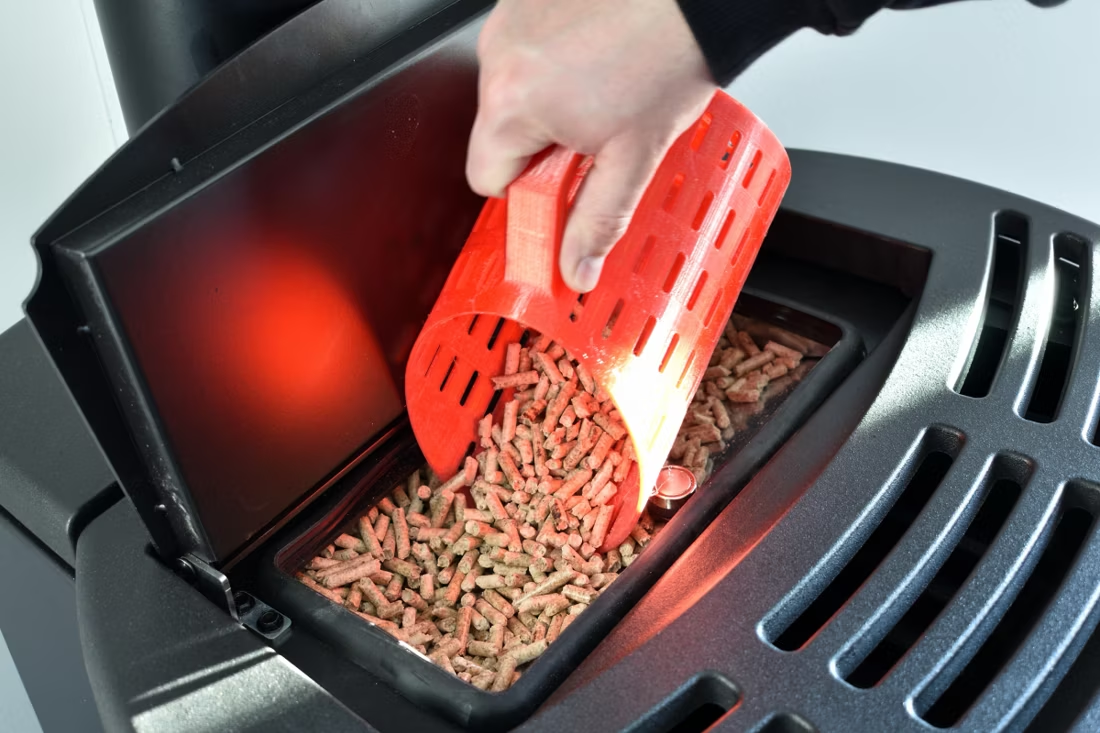
Pellet stoves fit that role well. They burn compressed hardwood pellets—sourced regionally from suppliers like Lignetics and Indeck Energy Services—instead of the split oak, hickory, and pine that go into a traditional wood-burning setup. There's no chimney to sweep for creosote and no cutting permits to track down, though pellet stoves do need electricity to run the auger and blower, which matters if you're weighing them specifically as ice-storm backup heat. Miller County has no air quality nonattainment designation and no winter burn restrictions, so there's no regulatory hurdle here beyond standard building permits—just a matter of finding the right unit sized for your home and a dealer who installs it correctly.
Three steps. No salesperson until you're ready.
Tell us about your project
Your zip code, your situation, and the fuel you're leaning toward—or let the answers point you to one.
See what's actually available
The brands dealers within 100 miles genuinely carry—real options, never a catalog mirage.
Get your dealer & Project Guide
A trusted local dealer, plus the free Project Guide & Parts List that names every component of the job.
Frequently Asked Questions
How much does a pellet stove installation cost in Miller County?
A freestanding pellet stove installation in Miller County typically runs $3,000 to $6,000, depending on the unit, whether an exterior wall vent kit is needed, and any electrical work required for the outlet the stove needs. Converting an existing masonry fireplace to a pellet insert usually runs a bit higher, often $4,000 to $7,000, since it involves fitting the insert and running a vent liner through the existing flue. Given the mild Miller County climate, many homeowners choose a mid-size unit sized for zone heating rather than a large whole-home stove, which keeps costs toward the lower end of that range. A local dealer can give you a firm number after seeing your home and existing fireplace or venting situation.
What size pellet stove do I need for my home in Miller County?
With winter lows averaging around 35°F and roughly 2,578 heating degree days a year, most Miller County homes don't need a stove sized to carry the whole house through winter the way a home in Bismarck, ND or Burlington, VT would. A small to mid-size pellet stove (rated for 1,000-1,800 sq ft) is usually enough to comfortably heat a main living area or an open-concept living/dining space, with central HVAC handling the rest of the home. If you're planning to use the stove as your primary source during ice-storm power outages, size up slightly and make sure you also have a plan for running it without grid power, since the auger and blower both need electricity. A local dealer can walk your specific floor plan and insulation level to confirm sizing.
Where can I find certified pellet stove installers near me?
Look for installers with NFI (National Fireplace Institute) pellet-specialist certification, which confirms training specific to pellet appliances rather than just wood stoves. Local hearth dealers serving Texarkana and the surrounding Miller County communities typically employ certified installers who also pull the required building permit and handle venting through an exterior wall or existing chimney. Because pellet stoves have specific electrical and venting requirements, it's worth avoiding a general handyman install—improper vent termination clearances are the most common issue inspectors catch on pellet installs in this region.
Pellet stove vs. wood stove—which is right for a Miller County home?
Wood stoves burn split oak, hickory, or pine, work without electricity, and offer a traditional fire—useful if you want heat that keeps running through a multi-day power outage after an ice storm. Pellet stoves burn manufactured pellets, are thermostat-controlled so they hold a steady temperature without tending, produce far less ash, and don't require a chimney sweep the way a wood-burning flue does. Given Miller County's mild winters, most homeowners here are using either fuel for supplemental or zone heat rather than survival heat, so the decision usually comes down to convenience versus outage resilience. If backup power (a battery unit or generator) is part of your plan, pellet becomes a much stronger option since the electricity requirement is no longer a dealbreaker.
Do I need a permit to install a pellet stove in Miller County?
Most new pellet stove installations require a building permit, whether you're inside Texarkana city limits or in unincorporated Miller County—check with the Miller County Building Department or the applicable city building office depending on your address. The permit process typically confirms proper venting clearances and, where applicable, the electrical circuit for the stove's auger and blower. Most local hearth dealers handle the permit application as part of the installation, so you generally won't need to coordinate it yourself.
What's the best pellet stove for Miller County's climate?
Because Miller County winters are mild compared to much of the country, a mid-size, high-efficiency pellet stove is usually the right fit rather than a large-capacity unit built for sustained sub-zero use. Regional pellet supply from brands like Lignetics and Indeck Energy Services means fuel availability isn't a concern for standard hardwood pellets. Ask a local dealer about models with a battery-backup option or low standby power draw if you specifically want the stove available during ice-storm outages, since that's the most common reason Miller County homeowners lean toward pellet over gas in this climate.
How much maintenance does a pellet stove need?
Pellet stoves need more routine attention than a gas unit but less than a wood-burning chimney. Plan on emptying the ash pan every few days to weekly depending on use, cleaning the burn pot and glass regularly, and having the stove professionally serviced once a year—typically before the start of the winter season—to clean the exhaust fan, hopper, and venting components. Given Miller County's shorter heating season, most homeowners here are burning less overall than in colder climates, which stretches out the interval between deep cleanings, but the annual service shouldn't be skipped.
Where can I buy pellets in Miller County?
Hardwood pellets from regional suppliers like Lignetics and Indeck Energy Services are typically available through local hearth dealers, farm supply stores, and hardware retailers serving Texarkana and the surrounding county. Pellets are sold in 40-lb bags, usually palletized in units of 50 bags (one ton) for the winter season. Buying a full ton ahead of the season is common practice and generally the most economical way to stock up, since per-bag pricing at retail tends to run higher than buying by the pallet.
Pellet vs. gas—which is right for my Miller County home?
Gas fireplaces offer instant on-off operation with a switch or remote and don't require refueling, which is appealing for daily convenience. Pellet stoves require loading a hopper and periodic ash cleanup, but they don't need a gas line or propane tank, and many homeowners prefer the visible, more traditional flame. In a mild climate like Miller County's, either fuel comfortably handles zone heating for a main living space. The deciding factor is usually infrastructure—if your home already has gas service or an easy propane setup, gas installation tends to be simpler; if not, a pellet stove sidesteps the need for gas line work entirely. A local dealer can walk you through both options for your specific home.
Why is my open fireplace making my house colder?
Open fireplaces suck—literally. As the fire burns, it consumes air your furnace already paid to heat and pulls it out through the chimney, so the house is actually colder after the fire goes out than before you lit it. An insert fixes this: it seals the chimney, puts fixed glass across the front, and turns that hole in your house into a real heat source.
How often does a pellet stove need cleaning?
A clean pellet stove is a happy pellet stove. Plan on cleaning the burn pot about once a week when you're burning regularly—ash and clinkers gum up the air holes just like a pellet barbecue. Most pellet stove problems trace back to skipped cleaning that nobody explained up front. Some designs make it easy with a trapdoor burn pot: pull a lever and the gunk drops into the ash pan.
Does a fireplace add value to my home?
On average, a fireplace adds back to the home about the same amount you spent installing it. Add the monthly savings from heating the rooms you actually use instead of the whole house—often hundreds of dollars a year—and the value case is strong before you even count what a fire does for how your family uses the room.
Can a fireplace actually lower my heating bill?
Yes—by creating a comfort zone. A furnace heats every square foot of the house just to warm the one room you're in; a gas fireplace on low burns roughly a sixth of the gas a typical furnace does. Set the furnace around 55–60 degrees as a baseline, then heat the rooms your family actually uses. Families who heat this way commonly save $20–$60 a month.
Stove and Fireplace Dealers in Miller County
Pellet Brands Stocked Around Miller County
Manufacturers will point you to the nearest stocking dealer.
Find your pellet stove in Miller County.
Tell us a bit about your home and we'll match you with the right pellet stove or insert, plus a free Project Guide & Parts List with the exact parts—including the vent kit—and our recommended local Miller County dealer.
Find Your Fireplace →