
Reliable electric heat for the Kenai Peninsula's toughest nights.
Clean, no-chimney supplemental heat for Kalifornsky homes and cabins—find the right electric fireplace or insert and connect with a trusted local dealer.
Every Project Starts From One of These Five Situations
Zone heat and ambiance in Alaska's most persistent cold.
Kalifornsky sits low along the Kenai River at 179 feet, but the region's 11,238 annual heating degree days put it ahead of even International Falls, Minnesota, one of the coldest towns in the Lower 48. With average winter lows hovering around 5°F and a climate zone 7 rating, this is a place where the furnace or wood stove runs for the better part of eight months. Electric fireplaces aren't the primary heat source for most homes here, but they've earned a solid role as clean, flame-effect supplemental heat for living rooms, bedrooms, and additions.
Power comes from Homer Electric Association or Chugach Electric Association depending on where you sit in the service territory, and residential rates run 21 to nearly 30 cents per kWh—well above the national average. That makes running an electric fireplace as your only heat source impractical through a Kasilof or Soldotna winter. Most Kalifornsky households pair a wood stove burning local birch, spruce, or cottonwood (often cut under a Chugach National Forest permit) or a fuel oil furnace with an electric fireplace for instant, no-mess zone heat in the rooms they use most.
Three steps. No salesperson until you're ready.
Tell us about your project
Your zip code, your situation, and the fuel you're leaning toward—or let the answers point you to one.
See what's actually available
The brands dealers within 100 miles genuinely carry—real options, never a catalog mirage.
Get your dealer & Project Guide
A trusted local dealer, plus the free Project Guide & Parts List that names every component of the job.
Frequently Asked Questions
How much does an electric fireplace installation cost in Kalifornsky?
Electric fireplaces are the least expensive hearth option to install because there's no chimney, gas line, or venting involved. A basic plug-in insert or freestanding unit typically runs $300 to $800 including setup. A built-in electric fireplace that needs a dedicated 240-volt circuit run by a licensed electrician usually lands between $1,500 and $4,000, depending on the unit and any wall framing or trim work. That's a fraction of the $4,500-plus you'd typically spend on a wood stove install here, which is part of why electric units are popular for secondary rooms, rentals, and cabins around Kasilof and Soldotna.
Can an electric fireplace be my main source of heat in Kalifornsky?
Not realistically. With 11,238 heating degree days and winter lows averaging around 5°F, a home here needs far more continuous heat output than a 1,500-watt electric fireplace can economically deliver. At Homer Electric Association's residential rate of roughly $0.2979/kWh (or $0.2124/kWh under Chugach Electric), running an electric heater as your only source through a Kenai Peninsula winter would add hundreds of dollars a month to your bill. Most local homes rely on a wood stove—birch and spruce are the go-to species—or a fuel oil furnace for primary heat, and use the electric fireplace for supplemental warmth and ambiance in the room they occupy most.
What size electric fireplace do I need?
Most residential electric fireplaces draw about 1,500 watts and produce roughly 5,000 BTU of heat—enough to noticeably warm a single room of 300 to 400 square feet, not a whole Kalifornsky home. If you're heating a bonus room, a bedroom over an unheated garage, or a seasonal cabin near the Kasilof River, a standard unit works well as a supplement. For anything larger, pair it with your existing wood or oil system rather than expecting the fireplace to carry the load on its own.
Do I need a permit to install an electric fireplace in Kalifornsky?
A plug-in electric fireplace that runs off a standard household outlet typically doesn't require a permit. A built-in unit wired to its own dedicated circuit does need an electrical permit, inspected through the Kenai Peninsula Borough's electrical inspection process. Because parts and licensed electricians can have longer lead times on the Kenai Peninsula than in urban Alaska, it's worth confirming your installer's availability and permit timeline before you commit to a built-in model over a plug-in unit.
Electric vs. wood—which makes more sense for my Kalifornsky home?
Wood remains the backbone of home heating in this part of the Kenai Peninsula. Birch, spruce, and cottonwood are all locally abundant, and a Chugach National Forest cutting permit is free and covers the May-through-September season, which keeps fuel costs low for anyone willing to cut and split their own wood. Wood also keeps working when the power goes out, which matters given how far Homer Electric and Chugach Electric lines run through wooded terrain. Electric fireplaces can't replace that resilience, but they add clean, instant heat with none of the ash, creosote, or chimney maintenance—a good complement in a den, bedroom, or seasonal cabin rather than a substitute for your primary wood or oil heat.
Will my electric fireplace still work during a power outage?
No—electric fireplaces stop working the moment the power drops, and outages do happen on the Kenai Peninsula during winter storms and high wind events. This is one of the real trade-offs against wood heat, which keeps burning with no electricity at all. Most homeowners here who add an electric fireplace already have a wood stove or oil furnace as their outage-proof backup, so the electric unit is purely for everyday convenience rather than emergency heat.
What features should I look for in an electric fireplace for this climate?
Since electric units here are almost always supplemental rather than whole-home heat, prioritize a model with a strong true-flame LED effect, a quiet blower, and a built-in thermostat so it can hold a set temperature in the room without constant adjustment. Brands like Dimplex and Napoleon make electric fireplaces and inserts with realistic flame technology and higher-wattage heating elements that perform well as zone heat in a cold-climate home. A local dealer can match wattage and cabinet size to the specific room you're heating rather than the whole house.
Where do electric fireplaces make the most sense in a Kalifornsky property?
They're a good fit for rooms without existing chimney access, rental units where an untended wood stove isn't practical, and seasonal or vacation cabins around Kasilof and Soldotna that sit empty for stretches at a time. Because there's no open flame or venting to maintain, owners can turn an electric fireplace on remotely or leave it running unattended in ways they wouldn't with a wood stove—which is part of why they've become common in guest cabins and rental properties across the Kenai Peninsula.
What's the difference between an electric fireplace, insert, and stove?
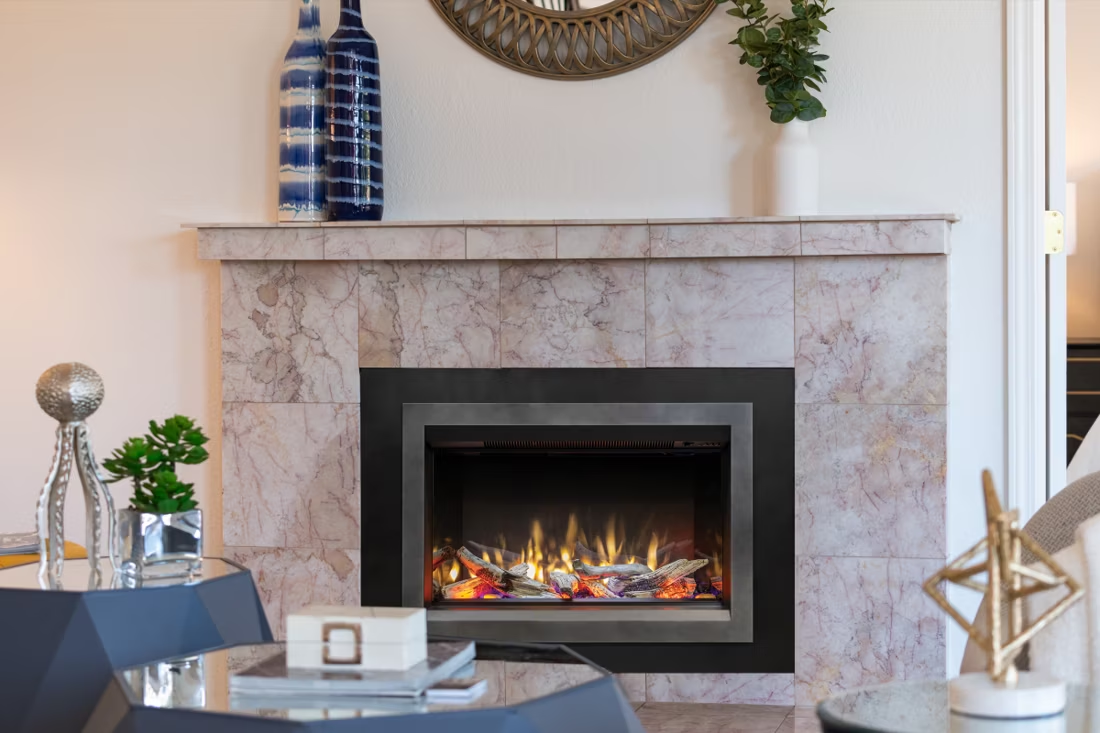
An electric fireplace is typically a built-in unit set into a wall or framed surround, best for new construction or remodels. An electric insert is sized to slide into an existing masonry or zero-clearance firebox, which is less common in newer Kalifornsky construction but works well if a home was built with a wood-burning fireplace that's since gone unused. An electric stove is a freestanding cabinet unit that can go almost anywhere there's an outlet, making it the simplest option for a cabin, addition, or rental where you just need supplemental heat without any construction. A local dealer can tell you which fits your room and existing structure.
Can I put a TV above my fireplace?
Yes—with an asterisk. Fireplaces are hot and TVs don't like heat. Either put a mantel between them to deflect rising warmth, or choose a fireplace with heat-management technology that creates a cool zone on the wall above—the wall stays around 125 degrees, barely warm, while the room still gets full heat. If you like clean lines and don't want a mantel, heat management is the answer.
Does an electric fireplace need a vent or chimney?
No—that's its superpower. An electric fireplace needs a wall and an outlet, period. No vent pipe, no gas line, no clearances to design around, which is why it works in bedrooms, offices, apartments, and walls where venting a gas or wood unit would be impractical or impossible. Installation is typically the simplest and least expensive of any fireplace type.
Can a fireplace actually lower my heating bill?
Yes—by creating a comfort zone. A furnace heats every square foot of the house just to warm the one room you're in; a gas fireplace on low burns roughly a sixth of the gas a typical furnace does. Set the furnace around 55–60 degrees as a baseline, then heat the rooms your family actually uses. Families who heat this way commonly save $20–$60 a month.
Does a fireplace add value to my home?
On average, a fireplace adds back to the home about the same amount you spent installing it. Add the monthly savings from heating the rooms you actually use instead of the whole house—often hundreds of dollars a year—and the value case is strong before you even count what a fire does for how your family uses the room.
Nearby Dealers
Hearth shops serving Kalifornsky and the surrounding area. Every listing shows whether it is a WhyFire partner, a dealer we have verified as authorized for the brands we recommend, or a local business carrying hearth products. No manufacturer pays for placement. How we verify dealers →
Electric Service in Kalifornsky
An electric fireplace's heater draws about 1,500 watts—pennies per hour at local rates.
Homer Electric Assn Inc
Chugach Electric Assn Inc
Find your electric fireplace in Kalifornsky.
Tell us about your home and how you plan to use it, and we'll match you with the right electric fireplace or insert—plus a free Project Guide & Parts List and a trusted local dealer to install it.
Find Your Fireplace →