
Find the right electric fireplace for your Fond du Lac County home.
With 7,160 heating degree days and winter lows averaging 12°F, Fond du Lac County homeowners are increasingly adding electric fireplaces for supplemental zone heat and ambiance alongside furnaces and wood stoves. Get matched with a trusted local dealer who can size and install the right unit.
Every Project Starts From One of These Five Situations
A no-permit, no-venting way to add warmth on Lake Winnebago's shoreline.
Fond du Lac County sits at the southern tip of Lake Winnebago in Wisconsin's climate zone 6A, where winter lows average 12°F and the region logs over 7,160 heating degree days a year—comparable to Duluth, Minnesota, in overall heating demand. Most homes here run on forced-air furnaces or wood heat as the primary source, with oak, maple, birch, and aspen common as regional firewood. Electric fireplaces don't compete with that primary heat load, but they've become a popular addition in finished basements, bedrooms, and additions across Fond du Lac, Ripon, and Waupun where running new gas line or masonry chimney work isn't practical.
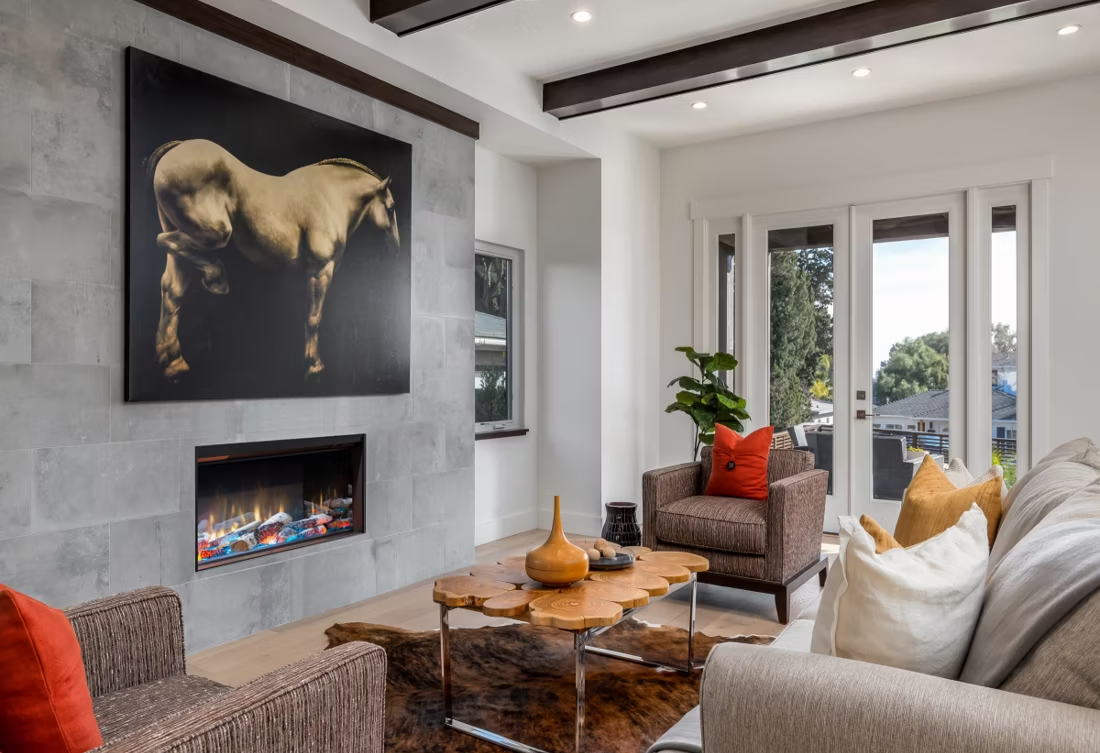
The appeal is straightforward: electric inserts and freestanding units plug into a standard outlet, need no chimney, no gas line, and typically no building permit for a simple swap into an existing fireplace opening. That makes them a fast, low-disruption option for renters, condo owners, and homeowners adding a second heat source to a room the furnace doesn't reach well—common in older Fond du Lac County farmhouses and split-levels where ductwork doesn't always keep every room even. A local dealer can confirm your specific circuit and clearance needs before installation.
Three steps. No salesperson until you're ready.
Tell us about your project
Your zip code, your situation, and the fuel you're leaning toward—or let the answers point you to one.
See what's actually available
The brands dealers within 100 miles genuinely carry—real options, never a catalog mirage.
Get your dealer & Project Guide
A trusted local dealer, plus the free Project Guide & Parts List that names every component of the job.
Frequently Asked Questions
How much does an electric fireplace installation cost in Fond du Lac County?
A typical electric fireplace or insert installation in Fond du Lac County runs $400 to $1,200, making it the least expensive hearth option by a wide margin compared to wood or gas. A simple plug-in insert into an existing fireplace opening sits at the low end. Built-in or wall-mounted units that require a dedicated 120V or 240V circuit run higher, especially if an electrician needs to add outlet capacity in an older home in Fond du Lac or Waupun. Most local dealers can install a standard insert in a single visit.
Do I need a permit to install an electric fireplace in Fond du Lac County?
In most cases, no—a plug-in electric insert or freestanding unit that uses an existing outlet doesn't require a building permit since there's no venting, gas line, or structural chimney work involved. If your installation requires adding a new dedicated circuit or outlet, an electrical permit through your local municipality (Fond du Lac, Ripon, or your township) may apply, and a licensed electrician should pull that permit as part of the job. Ask your local dealer whether your specific unit and home setup triggers any permitting.
Will an electric fireplace actually heat my room in a Fond du Lac winter?
Most electric fireplaces produce around 5,000 BTU of supplemental heat—enough to comfortably warm a single room (roughly 400-1,000 sq ft depending on insulation) but not enough to replace a furnace when overnight lows hit single digits, which happens regularly across Fond du Lac County. Homeowners here typically use electric units as zone heat for a finished basement, home office, or bedroom while the furnace handles the rest of the house, or as a way to take the edge off a chilly room without running the whole system harder. For true whole-home backup heat during a Wisconsin cold snap, wood or gas is a better fit—a local dealer can help you decide which role the electric unit is playing in your home.
What's the difference between an electric insert and a freestanding electric stove?
An electric insert is built to slide into an existing fireplace opening (masonry or zero-clearance) and typically includes a surround kit to finish the look. A freestanding electric stove sits anywhere in a room like a piece of furniture and just needs a nearby outlet—no existing fireplace required. For Fond du Lac County homes with an old, rarely-used wood fireplace that the owner wants to simplify, an insert is usually the choice. For a room with no fireplace at all—a converted porch, a basement rec room—a freestanding unit is more flexible.
Can an electric fireplace work during a power outage?
No—this is the main tradeoff of electric heat, and it matters in Fond du Lac County where winter storms off Lake Winnebago and ice events can knock out power for hours or longer. Unlike a wood stove or a gas unit with battery-backup ignition, an electric fireplace goes dark the moment power drops. Homeowners who want a heat source that survives an outage typically pair an electric unit for everyday convenience with a wood stove or gas insert elsewhere in the house for true emergency backup. A local dealer can talk through a two-fuel setup if that's a priority for your household.
Are electric fireplaces energy efficient to run?
Electric fireplaces convert nearly 100% of the electricity they draw into heat in the room, but running one as a primary heat source is typically more expensive per BTU than natural gas or wood in Fond du Lac County given regional electricity rates. Most units also let you run the flame visual without the heater engaged, which draws only a small amount of power—a popular option for year-round ambiance without a heating cost. For anyone using the unit mainly for occasional zone heat rather than constant operation, the operating cost stays modest.
What size electric fireplace do I need for my room?
Sizing an electric unit is mostly about matching the visual scale to your wall or fireplace opening, since heat output is fairly standardized across most models (typically 4,600-5,200 BTU regardless of the unit's width). A 30-36 inch insert suits a smaller opening common in older Fond du Lac and Ripon homes, while 40-50 inch units fit larger modern openings or wall-mount installations in newer construction around the county. Bring your fireplace opening dimensions or wall measurements to a local dealer for an exact fit.
Electric vs. gas—which is right for my Fond du Lac County home?
Gas fireplaces deliver real, substantial heat output (typically 20,000-40,000 BTU), can be configured with battery-backup ignition to run during power outages, and hold up as genuine supplemental heat during Fond du Lac County's long heating season. Electric units cost far less to install, need no gas line or venting, and work anywhere there's an outlet, but they top out around 5,000 BTU and go dark in an outage. For a primary secondary heat source in a cold Wisconsin winter, gas usually wins; for low-cost ambiance or light supplemental warmth in a room the furnace already mostly covers, electric is the simpler and cheaper choice.
Electric vs. wood—which makes more sense here?
Wood stoves burning local oak, maple, birch, or aspen deliver serious heat output and keep working when the power is out—a real consideration given Fond du Lac County's ice storms and long winters. They require chimney work, permits, and ongoing fuel handling, though. Electric fireplaces install in an afternoon with no venting and no permit hassle, but they're not a cold-snap survival heat source and add meaningfully to your electric bill if run constantly. Many county homeowners land on wood or gas for backup heat and add an electric unit purely for the ambiance and easy install in a secondary room.
Can I put a TV above my fireplace?
Yes—with an asterisk. Fireplaces are hot and TVs don't like heat. Either put a mantel between them to deflect rising warmth, or choose a fireplace with heat-management technology that creates a cool zone on the wall above—the wall stays around 125 degrees, barely warm, while the room still gets full heat. If you like clean lines and don't want a mantel, heat management is the answer.
Do electric fireplaces actually produce heat?
Yes—most put out around 4,800–5,000 BTUs from a standard outlet, which comfortably warms a bedroom, office, or den as a comfort-zone heater. What they won't do is carry a whole house the way wood, gas, or pellet can. Think of electric as ambiance-first with honest supplemental heat: flames on with no heat in July, flames plus warmth in January.
Does a fireplace add value to my home?
On average, a fireplace adds back to the home about the same amount you spent installing it. Add the monthly savings from heating the rooms you actually use instead of the whole house—often hundreds of dollars a year—and the value case is strong before you even count what a fire does for how your family uses the room.
Can I install a fireplace myself?
If you're putting a fire in your house on purpose, it's best to work with an expert. Unless you're genuinely experienced in framing, gas line, vent pipe, and the national code on clearances to combustibles, have a professional do it—and ideally the same company that sells you the fireplace, so warranty, service, and liability all live under one roof.
Stove and Fireplace Dealers in Fond du Lac County
Listings include WhyFire partner dealers, dealers we have verified as authorized for the brands we recommend, and established local businesses that carry hearth products. Every listing shows which one it is. The ones marked Preferred run on WhyFire's software, so they can show you real pricing and book your appointment right here. No manufacturer pays for placement. How we verify dealers →
Binner Pools, Spas & Fireplace
Badger Masonry & Fireplace
Get your Fond du Lac County electric fireplace Project Guide & Parts List.
Tell us a bit about your home and we'll match you with a trusted local dealer and send a free Project Guide & Parts List—sized and specified for your room, with your recommended dealer in Fond du Lac County.
Find Your Fireplace →