
No chimney, no venting—just heat in Lexington County.
From the historic district downtown to homes near VMI and Washington and Lee, electric units bring real-looking flame and supplemental warmth without touching a chimney. Find the right unit and connect with a trusted local dealer.
Every Project Starts From One of These Five Situations
Heat that works around old walls, not through them.
Lexington is a small city—about 7,300 people—built around a National Historic Landmark District, VMI, and Washington and Lee University. A lot of the housing stock here is 19th-century brick and frame construction, much of it under the review of the city's Architectural Review Board, where altering a chimney, cutting a new flue, or adding exterior venting can mean a lengthy approval process. With winters that average a 23-degree overnight low and roughly 4,661 heating degree days—meaningfully milder than the Blue Ridge highlands or the Shenandoah Valley's colder pockets—most homes here don't need a whole-house wood or gas retrofit. They need supplemental warmth in a room that's cold in January and empty the rest of the year.
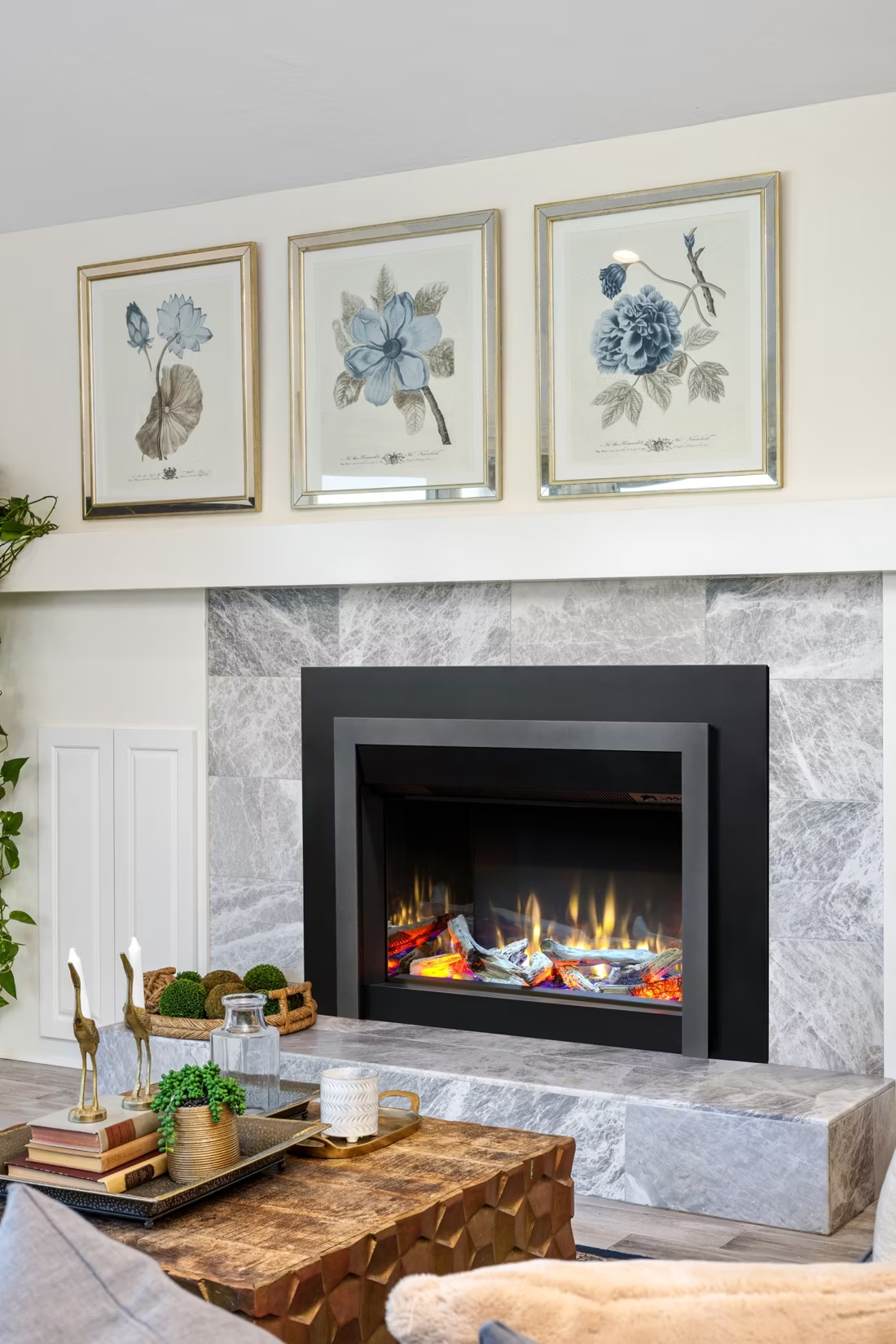
That's exactly where electric fireplaces earn their keep. A built-in or freestanding electric unit plugs into a standard outlet, needs no chimney, no gas line, and no venting through a historic masonry wall—which matters both for downtown properties under design review and for renters near campus who can't modify a wall at all. Power comes from Appalachian Power's regional grid, and while an electric unit won't run during an outage without a generator, most Lexington homeowners are pairing it with a wood-burning fireplace already in the house—oak and hickory are the common local cordwood, with permits available through the George Washington & Jefferson National Forest—for the nights when the power actually goes out.
Three steps. No salesperson until you're ready.
Tell us about your project
Your zip code, your situation, and the fuel you're leaning toward—or let the answers point you to one.
See what's actually available
The brands dealers within 100 miles genuinely carry—real options, never a catalog mirage.
Get your dealer & Project Guide
A trusted local dealer, plus the free Project Guide & Parts List that names every component of the job.
Frequently Asked Questions
How much does an electric fireplace installation cost in Lexington?
A plug-in freestanding electric stove or a simple insert into an existing mantel opening typically runs $300 to $700 installed. A built-in wall unit—recessed into new framing, with a dedicated circuit run by an electrician—usually lands between $800 and $1,500 depending on the unit's size and whether existing wiring can be reused. Homes in the Lexington Historic District sometimes add a small design-review timeline rather than extra installation cost, since electric units don't require exterior venting changes that would otherwise trigger a full Architectural Review Board submission.
Do I need a permit to install an electric fireplace in Lexington?
Often not, if you're plugging a freestanding unit into an existing outlet—there's no combustion appliance, so building and mechanical codes generally don't apply. If you're having a built-in unit hardwired on its own circuit, the City of Lexington Building Department typically requires an electrical permit, which most licensed installers pull as part of the job. Because there's no chimney or exterior vent involved, electric installations are usually the fastest path through any historic-district approval process compared to wood or gas.
Will an electric fireplace actually heat a room, or is it just for looks?
Most electric fireplaces include a real heating element—typically 1,500 watts, enough to comfortably supplement a single room of 400 to 1,000 square feet, depending on ceiling height and insulation. Given Lexington's relatively moderate winters, with average lows around 23 degrees and roughly 4,661 heating degree days a season, that's usually enough to take the edge off a cold bedroom or den without running central heat at full tilt. For a larger open floor plan or a drafty older home downtown, an electric unit works best as a supplement to existing heat rather than the sole source.
What's the difference between an electric insert and a freestanding electric stove?
An electric insert is sized to slide into an existing fireplace opening—a common option for the older masonry fireplaces found throughout Lexington's historic homes, since it hides behind the existing mantel and needs no venting modification at all. A freestanding electric stove or built-in wall unit works anywhere there's an outlet or a circuit, which makes it a good fit for newer construction, apartments near campus, or rooms without an existing fireplace. Local dealers can walk through your existing opening dimensions to confirm insert fit before you buy.
Can I use an electric fireplace during a power outage?
No—electric units require grid power (or a generator) to run, so they're not a backup heat source during an outage the way a wood stove is. Because of that, most Lexington homeowners who install an electric fireplace already have or plan to keep a wood-burning fireplace or stove elsewhere in the house, often burning locally cut oak or hickory, for the nights when Appalachian Power service is interrupted by an ice storm or downed line in the surrounding hills.
Are electric fireplaces allowed in Lexington's historic district?
Yes, and they're often the easiest hearth upgrade to get approved. Because electric units require no new flue, no exterior vent termination, and no masonry alteration, they typically fall outside the scope of what the Architectural Review Board evaluates for exterior changes. Homeowners restoring a historic property downtown frequently choose an electric insert specifically because it preserves the original mantel and firebox opening while sidestepping the lengthy approval process that a new gas line or chimney liner would require.
Electric vs. gas vs. wood—which is right for my Lexington home?
Wood offers the most heat output and works without power, using oak, hickory, or maple cut locally under George Washington & Jefferson National Forest permits—but it requires a chimney and regular maintenance. Gas offers instant, consistent heat but needs either a gas line or propane tank and vent work that can trigger historic-district review downtown. Electric needs neither venting nor gas, installs fastest, and costs the least upfront, but it won't provide heat if the power's out and its output is better suited to supplemental warmth than whole-home heating in Lexington's occasional single-digit cold snaps. Many local homeowners end up with a wood fireplace for backup heat and an electric unit in a secondary room for everyday convenience.
How much electricity does an electric fireplace use, and what will it cost to run?
Most units draw around 1,500 watts on the heat setting, which works out to roughly 15 to 20 cents per hour of use at typical Appalachian Power residential rates—noticeably cheaper per hour than running a whole-house furnace to heat one room. Flame-only mode with the heater off uses only a few watts, so leaving the ambiance running while the heat stays off costs very little. For a room used a few hours most winter evenings, expect the fireplace to add a modest amount to a monthly bill rather than a significant one.
What size electric fireplace do I need for my home?
For a bedroom or small den under 400 square feet, a compact 26–36 inch insert or wall-mount unit is usually plenty. For an open living area up to 1,000 square feet, a 50-inch or larger built-in wall unit or a higher-output freestanding stove will do more work. Because Lexington's older homes often have taller ceilings and less insulation than modern construction, it's worth sizing slightly up from the manufacturer's stated square footage rating—a local dealer can confirm the right fit based on your room's layout and existing fireplace opening, if you have one.
Can I put a TV above my fireplace?
Yes—with an asterisk. Fireplaces are hot and TVs don't like heat. Either put a mantel between them to deflect rising warmth, or choose a fireplace with heat-management technology that creates a cool zone on the wall above—the wall stays around 125 degrees, barely warm, while the room still gets full heat. If you like clean lines and don't want a mantel, heat management is the answer.
Do electric fireplaces actually produce heat?
Yes—most put out around 4,800–5,000 BTUs from a standard outlet, which comfortably warms a bedroom, office, or den as a comfort-zone heater. What they won't do is carry a whole house the way wood, gas, or pellet can. Think of electric as ambiance-first with honest supplemental heat: flames on with no heat in July, flames plus warmth in January.
Can I install a fireplace myself?
If you're putting a fire in your house on purpose, it's best to work with an expert. Unless you're genuinely experienced in framing, gas line, vent pipe, and the national code on clearances to combustibles, have a professional do it—and ideally the same company that sells you the fireplace, so warranty, service, and liability all live under one roof.
Does a fireplace add value to my home?
On average, a fireplace adds back to the home about the same amount you spent installing it. Add the monthly savings from heating the rooms you actually use instead of the whole house—often hundreds of dollars a year—and the value case is strong before you even count what a fire does for how your family uses the room.
Stove and Fireplace Dealers in Lexington County
Listings include WhyFire partner dealers, dealers we have verified as authorized for the brands we recommend, and established local businesses that carry hearth products. Every listing shows which one it is. The ones marked Preferred run on WhyFire's software, so they can show you real pricing and book your appointment right here. No manufacturer pays for placement. How we verify dealers →
AquaPros Pools & Spas, Inc.
Foster Fuels - Forest
Taylor Brothers
Black Goose Chimney
The Fireplace Shop
Clines Heating And Cooling
Blossman Gas And Appliance
Valley Filter & Maintenance
Holtzman Propane
Foster Fuels - Rustburg
Find your electric fireplace in Lexington County.
Tell us a bit about your home—including whether it's in the historic district—and we'll match you with the right electric fireplace or insert, plus a free Project Guide & Parts List from a trusted local dealer.
Find Your Fireplace →