
Find the right electric fireplace for your Hanover County home.
Mild winters and reliable Dominion Energy service make electric a practical, no-venting option for Hanover County homes from Ashland to Mechanicsville. Find the right unit and connect with a trusted local dealer.
Every Project Starts From One of These Five Situations
Zone heat that fits a moderate climate.
Hanover County sits in climate zone 4A with a moderate winter heating load and an average winter low near 28 degrees—a far cry from the sub-zero stretches that drive Midwest and Mountain West homeowners toward heavy-duty wood or gas setups. Winters here are real but short, and that makes electric fireplaces a genuinely practical fit rather than a compromise. No chimney, no gas line, no combustion byproducts to vent—just plug-in or hardwired ambiance and supplemental warmth for the coldest weeks of the year.
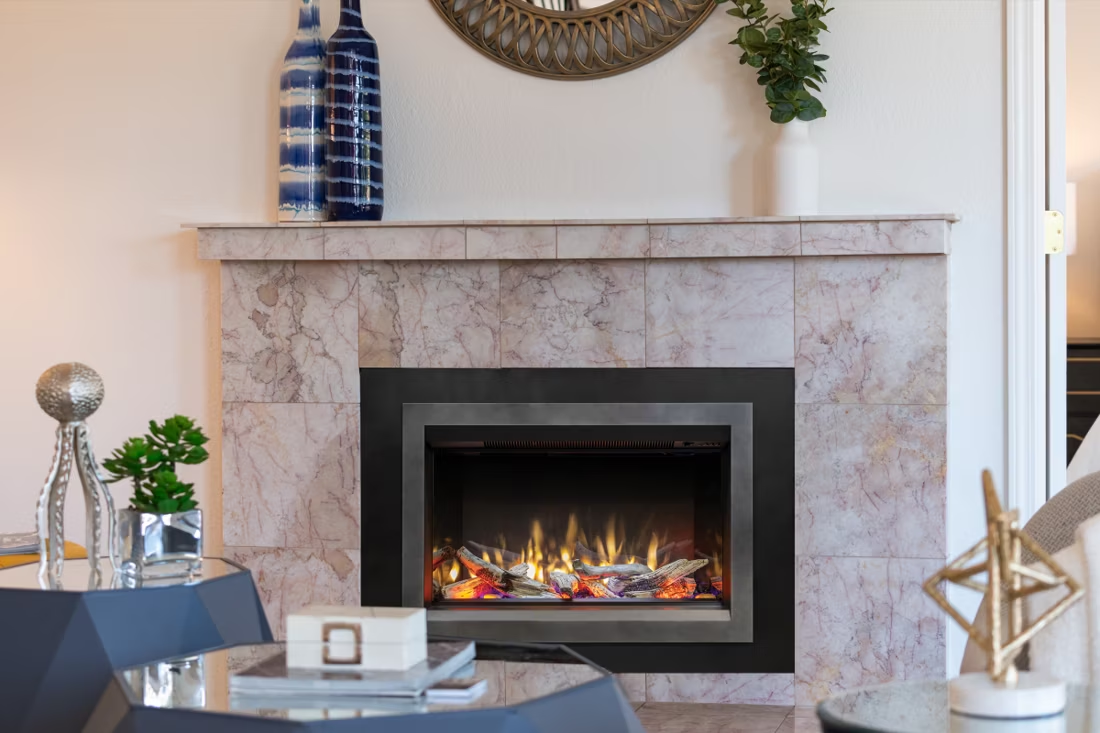
With Dominion Energy serving nearly all of Hanover County, homeowners in Ashland, Mechanicsville, Montpelier, and the rural stretches toward the Pamunkey and South Anna rivers have consistent, reliable power to run an electric insert, mantel unit, or built-in wall fireplace. Because electric units don't require the masonry or venting work that wood and gas installs demand, they're often the fastest and least invasive project a Hanover County homeowner can take on—whether the goal is a fireplace in a new addition, a safer alternative in a home with kids or pets, or a simple upgrade to a dated, drafty existing fireplace opening.
Three steps. No salesperson until you're ready.
Tell us about your project
Your zip code, your situation, and the fuel you're leaning toward—or let the answers point you to one.
See what's actually available
The brands dealers within 100 miles genuinely carry—real options, never a catalog mirage.
Get your dealer & Project Guide
A trusted local dealer, plus the free Project Guide & Parts List that names every component of the job.
Frequently Asked Questions
How much does an electric fireplace installation cost in Hanover County?
Most electric fireplace installations in Hanover County run $400 to $1,200, well below what wood or gas projects typically cost since there's no chimney, venting, or gas line work involved. A plug-in insert dropped into an existing fireplace opening sits at the low end. A hardwired built-in unit—set into new framing in a den or bedroom addition, with a dedicated circuit run by an electrician—lands at the higher end. Local dealers can walk you through which configuration fits your existing opening and electrical panel capacity.
Do I need a permit for an electric fireplace in Hanover County?
In most cases, a simple plug-in electric insert doesn't require a permit since there's no gas line, venting, or structural change involved. If your project involves a new dedicated electrical circuit or any framing changes—common with built-in wall units—Hanover County's building department typically requires an electrical permit, and the work should be done by a licensed electrician. Local hearth and electrical dealers who handle these installs regularly can tell you exactly which category your project falls into before you start.
Will an electric fireplace actually heat my room, or is it just for looks?
Most electric fireplaces sold today include a built-in fan-forced heater rated around 4,600 to 5,000 BTU, enough to noticeably warm a single room of 400 to 1,000 square feet—plenty for the kind of supplemental heat Hanover County's mild winters call for. They won't replace a central HVAC system as primary heat, but on a 28-degree morning in Mechanicsville or Ashland, an electric insert in the living room or bedroom can meaningfully cut down on how hard your furnace has to work. Some homeowners run them as the sole heat source in a converted sunroom or addition where extending ductwork isn't practical.
What's the difference between an electric insert, a mantel package, and a built-in wall unit?
An electric insert is sized to slide into an existing fireplace opening, making it the easiest upgrade for a Hanover County home with an old wood-burning or gas fireplace that's no longer used. A mantel package pairs a freestanding or wall-mounted electric firebox with a surrounding mantel and is popular in homes without an existing fireplace. A built-in wall unit is recessed into framing, often flush with drywall, and typically used in new construction or larger remodels in Ashland-area new builds. All three plug into standard 120V outlets or can be hardwired, depending on the model and BTU rating.
Is electric a good fit for Hanover County's climate, or is it too mild here to matter?
Electric fireplaces make sense in Hanover County precisely because the climate is moderate. With a moderate winter heating load and lows that average around 28 degrees, homeowners here aren't fighting the kind of extended deep-freeze that pushes places like Burlington, VT or Duluth, MN toward wood stoves as a serious backup heat source. In Hanover County, an electric fireplace is realistically sized for its job: ambiance most of the year, supplemental warmth during the coldest weeks, and a safe, no-maintenance option for bedrooms, home offices, and finished basements.
Can an electric fireplace be used as backup heat during a power outage?
No—this is the one real limitation to plan around. Electric fireplaces require power to run, so during a Dominion Energy outage (which does happen during Hanover County's occasional summer thunderstorms and winter ice events), an electric unit won't provide heat. Homeowners who want a fireplace that doubles as emergency backup heat typically look at wood or gas instead, since both can operate without grid power. If backup heat matters to you, mention it to your local dealer—they can help you weigh a wood or gas option alongside an electric one for the room you're planning around.
How long do electric fireplaces last, and do they need maintenance?
Most quality electric fireplace units last 10 to 15 years with essentially no maintenance beyond an occasional dusting of the heater vents and, on models with an LED flame effect, a light bulb or LED strip replacement every several years. There's no chimney to sweep, no gas line to inspect, and no combustion byproducts to worry about—one of the main reasons electric appeals to Hanover County homeowners who want fireplace ambiance without an ongoing service routine.
Where can I find a dealer who installs electric fireplaces near me in Hanover County?
Look for hearth retailers and electricians experienced with fireplace-specific circuit work, particularly for hardwired built-in units. A dealer who regularly handles both electric inserts and larger built-in installations will know how to evaluate your existing fireplace opening or wall framing and can coordinate any electrical permit work with Hanover County's building department. Given how straightforward most electric installs are compared to wood or gas, many Ashland and Mechanicsville-area dealers can turn around a plug-in insert project in a matter of days rather than weeks.
Electric vs. gas—which is right for my Hanover County home?
Gas fireplaces deliver more real heat output and can run during a power outage, but they require a gas line, venting considerations, and a higher installation cost. Electric fireplaces cost less to install, need no venting or gas hookup, and are the simpler choice for a room where you mainly want ambiance and modest supplemental warmth. For Hanover County's mild winters, electric is often plenty for a bedroom, office, or basement, while gas tends to make more sense as a primary heat source in a main living area. Several local dealers carry both, and a quick conversation about the room's purpose usually settles which fits.
Can I put a TV above my fireplace?
Yes—with an asterisk. Fireplaces are hot and TVs don't like heat. Either put a mantel between them to deflect rising warmth, or choose a fireplace with heat-management technology that creates a cool zone on the wall above—the wall stays around 125 degrees, barely warm, while the room still gets full heat. If you like clean lines and don't want a mantel, heat management is the answer.
Do electric fireplaces actually produce heat?
Yes—most put out around 4,800–5,000 BTUs from a standard outlet, which comfortably warms a bedroom, office, or den as a comfort-zone heater. What they won't do is carry a whole house the way wood, gas, or pellet can. Think of electric as ambiance-first with honest supplemental heat: flames on with no heat in July, flames plus warmth in January.
How much should I budget for a fireplace?
For an average home—covering the fireplace, the vent pipe, and basic installation—a budget between $3,900 and $5,500 gives you a lot of options across wood, gas, and pellet. By the time you add finish work, gas line, and electrical, the average complete installation lands between $5,000 and $12,000 all-in. In a remodel or new build, a good rule is to put about 2.5% of the total project cost toward the fireplace.
Can I install a fireplace myself?
If you're putting a fire in your house on purpose, it's best to work with an expert. Unless you're genuinely experienced in framing, gas line, vent pipe, and the national code on clearances to combustibles, have a professional do it—and ideally the same company that sells you the fireplace, so warranty, service, and liability all live under one roof.
Stove and Fireplace Dealers in Hanover County
Listings include WhyFire partner dealers, dealers we have verified as authorized for the brands we recommend, and established local businesses that carry hearth products. Every listing shows which one it is. The ones marked Preferred run on WhyFire's software, so they can show you real pricing and book your appointment right here. No manufacturer pays for placement. How we verify dealers →
Studley Stove And Hearth
Acme Stove Company
Hearth And Patio Shoppe
Fireplace Innovations - Chester Location
Interior 2000
Get your Hanover County electric fireplace Project Guide & Parts List.
Tell us a bit about your home and we'll match you with a trusted local Hanover County dealer, plus a free Project Guide & Parts List with the exact components recommended for your space.
Find Your Fireplace →