
Find your gas fireplace in Sterling County.
Instant, low-maintenance heat for Sterling City and the ranch land around it—propane-fed gas fireplaces sized right for West Texas mild winters, matched with a trusted local dealer.
Every Project Starts From One of These Five Situations
Mild winters, but a real need for reliable heat.
Sterling County sits in climate zone 3B—West Texas high plains country where winters are short and generally mild compared to the northern tier of the country, but where a cold front can still drop temperatures sharply overnight. With just over a thousand residents spread across a small county seat in Sterling City and a lot of open ranch land, most homes here are heating a single main living space rather than running a whole-house furnace around the clock, and a gas fireplace fits that pattern well.
There's no natural gas utility infrastructure serving Sterling County the way you'd find in a larger Texas metro, so propane is the standard fuel here—most installations run off a propane tank rather than a piped gas line. A direct-vent propane fireplace or insert gives Sterling City homeowners and ranch households instant heat at the flip of a switch, no ash or wood handling, and in models with battery-backed ignition, the ability to run during the outages that can follow a West Texas ice storm or high-wind event.
Three steps. No salesperson until you're ready.
Tell us about your project
Your zip code, your situation, and the fuel you're leaning toward—or let the answers point you to one.
See what's actually available
The brands dealers within 100 miles genuinely carry—real options, never a catalog mirage.
Get your dealer & Project Guide
A trusted local dealer, plus the free Project Guide & Parts List that names every component of the job.
Frequently Asked Questions
How much does a gas fireplace installation cost in Sterling County?
Most gas fireplace and insert installations in Sterling County run in a similar range to what you'd see across small-town West Texas—generally lower on the scale when it's a direct-vent insert going into an existing masonry fireplace with a propane tank already on the property, and higher when it's new construction or a remodel that requires framing, venting, and a first-time propane tank setup. Because Sterling County has no piped natural gas, tack on the cost of a tank installation or a service agreement with a regional propane supplier if you don't already have one in place. A local dealer will walk your home and give you a firm number rather than a rough range.
Do I need natural gas, or does propane work fine?
Propane is the standard fuel for gas fireplaces in Sterling County—there's no natural gas utility line running through Sterling City or the surrounding ranch areas, so essentially every gas fireplace installation here is propane-fed from a tank. This isn't a compromise: modern direct-vent fireplaces are built to run on propane just as well as natural gas, and your installer sets the correct orifice and regulator for the fuel you're using. If you don't already have a propane tank on the property, your dealer can coordinate that setup with a regional supplier as part of the install.
Will my gas fireplace still work if the power goes out?
Most modern gas fireplaces will, with the right ignition system. Units with IPI (intermittent pilot ignition) run on battery backup that kicks in the moment power drops, so the fireplace lights on demand just like normal. Valor fireplaces take a slightly different approach—the pilot's thermocouple generates its own electricity, so there's no battery to remember at all. Given how far ranch properties in Sterling County can be from the nearest utility crew, having a fireplace that keeps working through an outage caused by an ice storm or high wind event is a real practical advantage, not just a nice-to-have.
Is wood heat an option out here, or is gas really the only choice?
Wood-burning stoves and fireplaces are uncommon in Sterling County—the mild 3B climate doesn't generate the kind of sustained cold that makes wood a practical primary heat source, and there isn't a wood-heat culture here the way there is in higher-elevation or colder parts of Texas. Some ranch properties do keep a wood-burning fireplace for ambiance using local oak, pecan, or mesquite, but for anyone heating a room reliably through the county's occasional cold fronts, a propane gas fireplace or insert is the far more practical everyday choice.
What's the difference between a gas fireplace, insert, and stove?
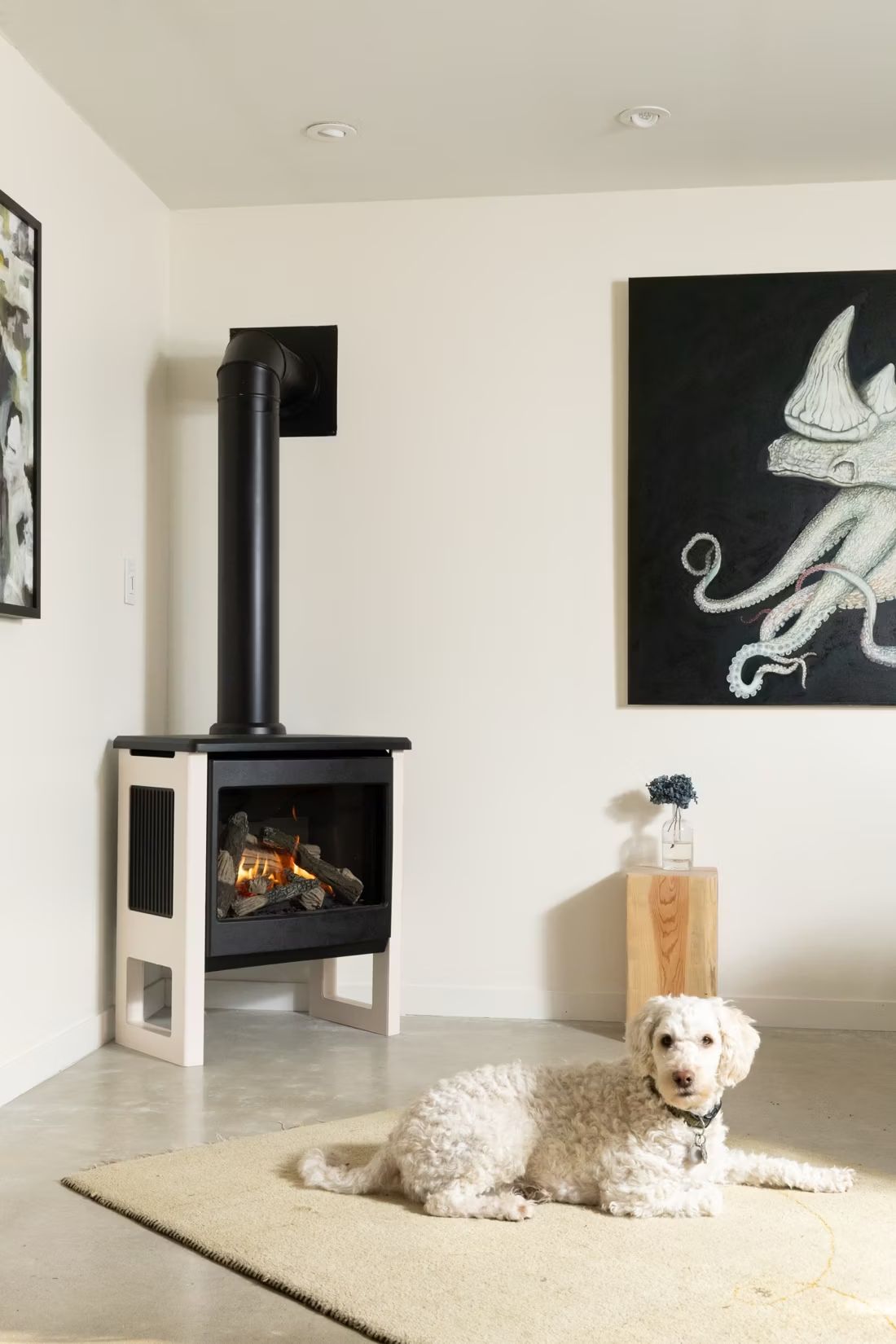
A gas fireplace is a fully built-in unit framed into a wall—the right choice for new construction or a remodel without an existing hearth. A gas insert slides into an existing masonry fireplace opening, sealing it off and venting through the existing chimney with a liner—a common upgrade for older Sterling City homes with an unused wood-burning fireplace. A gas stove is a freestanding cabinet-style unit that sits on the floor, often chosen when there's no existing fireplace opening to work with and a smaller footprint is needed. A local dealer can tell you which fits your specific room and existing hearth, if any.
Do I need a permit to install a gas fireplace in Sterling County?
Yes—a building permit is generally required for a new gas fireplace or insert installation, and any propane line work should be done by a licensed installer familiar with local code. Sterling County's small population means permitting is handled directly through the county rather than a large municipal building department, and most established hearth dealers serving the area are used to coordinating that paperwork as part of the install, so you're not left tracking down approvals yourself.
What's the difference between vented and vent-free gas fireplaces?
Vented (direct-vent) gas fireplaces draw combustion air from outside and exhaust exhaust gases back outside through a sealed pipe system—they run cleaner and are the most widely recommended option. Vent-free gas fireplaces burn without external venting, releasing some combustion byproducts into the room, and they're legal in Texas but come with strict room-sizing and ventilation rules. For most Sterling County homes, a direct-vent propane fireplace is the more straightforward and universally recommended path, especially in bedrooms or smaller rooms where vent-free sizing restrictions get tight. Ask your local dealer to walk through both if you're undecided.
How often should a gas fireplace be serviced?
Plan on an annual inspection, ideally before the first cold front of the season. A technician checks the burner, pilot assembly, propane connections, and any battery or electronic ignition components, and cleans the glass and interior. It's a quicker job than a wood chimney sweep, but skipping it is how small propane leaks or ignition failures go unnoticed until the coldest night of the year—not an ideal time to discover a problem in a county where the nearest service call may be a drive away.
Is a gas fireplace worth it if Sterling County winters are mostly mild?
For most homes here, yes—the value isn't heating the whole house around the clock, it's having instant, reliable warmth in a main living room during the cold fronts and occasional hard freezes that do roll through West Texas, plus a backup heat source if the power goes out. A propane direct-vent fireplace or insert covers that need without the upkeep of a wood-burning setup, which is part of why gas has become the standard choice for anyone upgrading a fireplace in Sterling City and the surrounding ranch properties.
Is my gas fireplace wasting gas?
If it was installed more than 15 years ago, probably. Older gas fireplaces keep a standing pilot light burning all the time, and that little flame can cost a couple hundred dollars a year. Newer models use pilot-on-demand ignition—the pilot lights only when you use the fireplace and goes out when you turn it off.
Why is a fireplace insert so efficient?
An insert does two things: it seals the chimney completely, so you stop losing air you already paid to heat, and it radiates warmth into the room through the firebox and glass. Most add a heat-exchange fan that pulls cool room air underneath, wraps it around the hot firebox, and pushes it back out warm. Your home is more efficient before you've even lit the first fire.
Does a fireplace add value to my home?
On average, a fireplace adds back to the home about the same amount you spent installing it. Add the monthly savings from heating the rooms you actually use instead of the whole house—often hundreds of dollars a year—and the value case is strong before you even count what a fire does for how your family uses the room.
Can I install a fireplace myself?
If you're putting a fire in your house on purpose, it's best to work with an expert. Unless you're genuinely experienced in framing, gas line, vent pipe, and the national code on clearances to combustibles, have a professional do it—and ideally the same company that sells you the fireplace, so warranty, service, and liability all live under one roof.
Stove and Fireplace Dealers in Sterling County
Listings include WhyFire partner dealers, dealers we have verified as authorized for the brands we recommend, and established local businesses that carry hearth products. Every listing shows which one it is. The ones marked Preferred run on WhyFire's software, so they can show you real pricing and book your appointment right here. No manufacturer pays for placement. How we verify dealers →
Area – San Angelo, Tx
Unlimited Air
Get your Sterling County gas fireplace project guide.
Tell us about your home and propane setup, and we'll match you with a trusted local dealer and send a free Project Guide & Parts List—the exact parts, vent kit included, for your Sterling County gas fireplace project.
Find Your Fireplace →