
Warmth on Demand, Even When Winter Barely Shows Up.
From Rio Grande City to Roma, La Grulla, and Escobares, Starr County winters rarely call for serious heat—but a well-placed electric fireplace still adds ambiance, a heat boost on the occasional cold front, and zero venting headaches. Find the right unit and connect with a trusted local dealer.
Every Project Starts From One of These Five Situations
The right fit for a county that rarely needs real heat.
Starr County sits along the Rio Grande in deep South Texas, in climate zone 2A, where the winter low averages 45 degrees and the county racks up only around 796 heating degree days a year—a fraction of what a place like Duluth, Minnesota sees in a single hard month. Most winters bring nothing more than a few chilly mornings in Rio Grande City, Roma, and La Grulla. The exception is memorable: the February 2021 winter storm dropped temperatures across the Rio Grande Valley into the teens and left much of the region without power for days, a reminder that even a mild-climate county can get caught off guard.
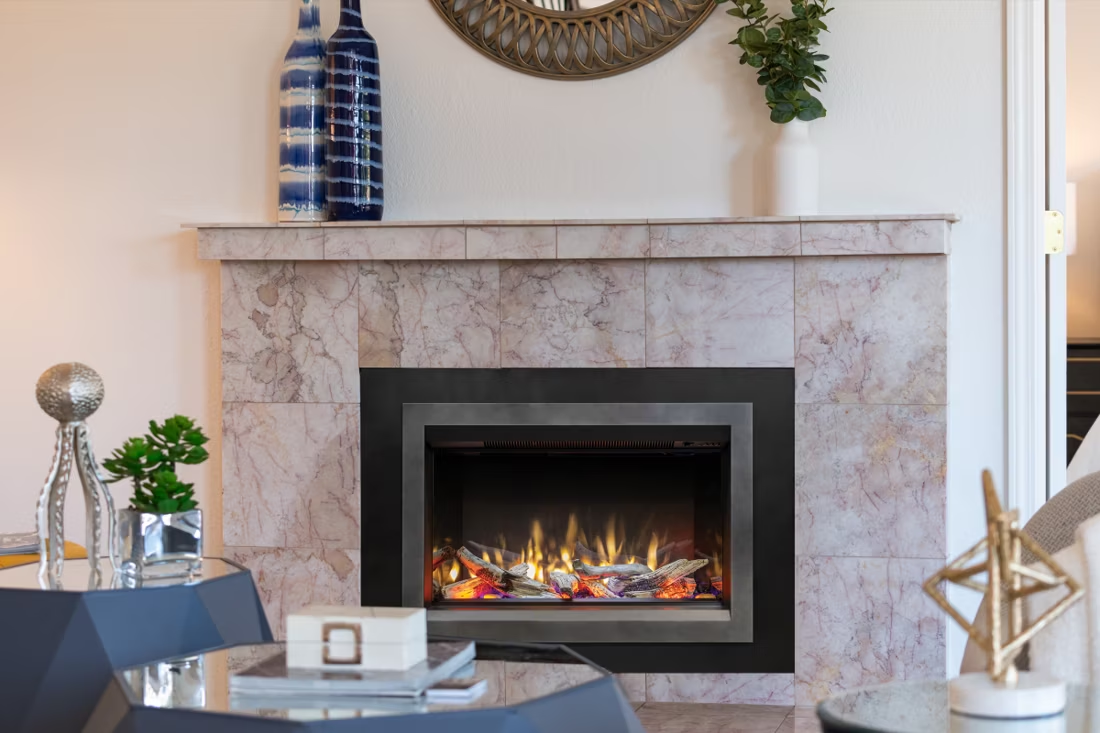
That mix of mostly-mild winters and the occasional hard freeze is exactly where electric fireplaces earn their place. They need no chimney, no gas line, and no venting—which makes them straightforward to add to the site-built homes and manufactured homes common throughout Starr County's colonias without triggering major construction. Local co-ops such as Magic Valley Electric Cooperative serve much of the county, and because electric fireplaces are used for occasional supplemental heat and ambiance rather than as a full-time furnace replacement, they run light on the grid most of the year. Wood isn't part of the heating picture here—oak, pecan, and mesquite show up on local smokers and grills, not in wood stoves—and there's no winter air-quality concern driving households toward wood or pellet heat the way there is in colder, wood-burning regions.
Three steps. No salesperson until you're ready.
Tell us about your project
Your zip code, your situation, and the fuel you're leaning toward—or let the answers point you to one.
See what's actually available
The brands dealers within 100 miles genuinely carry—real options, never a catalog mirage.
Get your dealer & Project Guide
A trusted local dealer, plus the free Project Guide & Parts List that names every component of the job.
Frequently Asked Questions
How much does an electric fireplace installation cost in Starr County?
Electric fireplaces are generally the least expensive hearth option to install, precisely because there's no chimney, gas line, or venting to run. A plug-in insert or freestanding unit can often be set up in an afternoon for a modest cost, while a built-in wall unit with dedicated electrical work and custom framing costs more. Because Starr County's mild climate means most households want an electric fireplace for ambiance and occasional supplemental warmth rather than as a primary heat source, many homeowners choose a mid-size insert or mantel package rather than a large, high-output model. A local dealer can give you a firm number once they know your wall type and whether you need a new circuit.
Is an electric fireplace actually enough heat for a Starr County home?
For the vast majority of the year, yes—with only around 796 heating degree days annually and a winter low averaging 45 degrees, most homes in Rio Grande City, Roma, and surrounding communities never need whole-home supplemental heat from a fireplace at all. Electric units are best used here as zone heat for a chilly morning in the living room or bedroom, or purely for the flame effect without the heater running. For the rare hard freeze—like the February 2021 event—an electric fireplace can take the edge off a single room, but it isn't a substitute for a functioning HVAC system or backup heat plan during a grid event.
Do I need a permit to install an electric fireplace in Starr County?
It depends on the type of unit. A plug-in electric insert or freestanding electric stove that uses a standard outlet typically doesn't require a permit—you can move it or remove it like any other appliance. A built-in electric fireplace that requires new wiring, a dedicated circuit, or wall modification generally does need an electrical permit through your city (Rio Grande City, Roma) or the county building department if you're outside city limits. A local dealer installing a hardwired unit will usually pull the permit as part of the job.
Why don't more homes in Starr County use wood-burning fireplaces?
Wood heat just isn't a practical fit for the climate here. With winter lows averaging 45 degrees and minimal heating demand overall, a wood stove or fireplace would sit unused nearly all year, and the county doesn't have the cutting-permit culture or firewood supply chain you'd find in a cold-climate wood region. Oak, pecan, and mesquite are common locally, but they show up in smokers and outdoor pits rather than indoor wood stoves. A small number of Starr County homeowners still install a wood-burning fireplace for aesthetics or occasional ambiance, but it's a rare choice—electric and gas cover the vast majority of hearth installations in the county.
Can I install an electric fireplace in a manufactured or mobile home?
Yes, and it's one of the more common installations across Starr County's colonias and rural manufactured-home communities. Because electric fireplaces don't require a chimney, gas line, or exterior venting, they avoid the structural and code complications that come with adding a wood or gas unit to a manufactured home. The main consideration is electrical capacity—a dedicated circuit is often recommended for a hardwired unit, and a licensed electrician or your installing dealer can confirm your home's panel can support it. Plug-in units are the simplest option and work in almost any manufactured home without modification.
What kind of electric fireplace makes sense for Starr County's climate?
Given how little real heating demand there is, most Starr County homeowners do well with a mid-size electric insert or wall-mounted unit that has a strong LED flame display and an adjustable or disable-able heater—so you can run the flame effect year-round for ambiance and only switch on the heat during the occasional cold front. A larger, high-BTU electric heater built into a mantel package makes more sense for a home that wants real supplemental heat in a bedroom or living area during winter mornings. Skip oversized units meant for genuinely cold climates—they're overkill here and cost more to buy for heat output you'll rarely use.
What happens to my electric fireplace during a power outage?
An electric fireplace, like any electric appliance, won't operate without power—worth remembering after the February 2021 winter storm left large parts of the Rio Grande Valley without electricity for days during the coldest weather the region had seen in years. Electric fireplaces are a good choice for everyday ambiance and mild-weather supplemental heat, but they shouldn't be your only plan for the rare hard freeze. Homeowners who want backup heat that works during an outage typically pair an electric fireplace with a propane heater or generator rather than relying on electric heat alone during a grid event.
Electric vs. gas—which is right for my Starr County home?
Gas fireplaces, running on propane in most of rural Starr County, deliver more heat output and can often be configured to work during a power outage with battery-backup ignition—a real advantage after storms like the 2021 freeze. Electric fireplaces cost less to install, need no gas line or venting, and are simpler to add to a manufactured home or an interior room with no exterior wall access. For a household that wants genuine backup heat capability, gas is usually the better call. For ambiance, easy installation, and a lower price tag in a climate that rarely demands real heat, electric is often the more practical choice.
How much maintenance does an electric fireplace need?
Very little, which is part of the appeal. There's no chimney to sweep, no gas line to inspect, and no ash to clean up. Maintenance is mostly limited to occasionally dusting the unit, replacing the LED flame bulbs if they eventually dim (many now last well beyond a decade), and checking that the fan or blower on models with a heating element runs cleanly. Compared with the annual chimney inspections wood systems need or the yearly gas-line checks propane units require, electric fireplaces are the lowest-upkeep hearth option available to Starr County homeowners.
Can I put a TV above my fireplace?
Yes—with an asterisk. Fireplaces are hot and TVs don't like heat. Either put a mantel between them to deflect rising warmth, or choose a fireplace with heat-management technology that creates a cool zone on the wall above—the wall stays around 125 degrees, barely warm, while the room still gets full heat. If you like clean lines and don't want a mantel, heat management is the answer.
Do electric fireplaces actually produce heat?
Yes—most put out around 4,800–5,000 BTUs from a standard outlet, which comfortably warms a bedroom, office, or den as a comfort-zone heater. What they won't do is carry a whole house the way wood, gas, or pellet can. Think of electric as ambiance-first with honest supplemental heat: flames on with no heat in July, flames plus warmth in January.
How much should I budget for a fireplace?
For an average home—covering the fireplace, the vent pipe, and basic installation—a budget between $3,900 and $5,500 gives you a lot of options across wood, gas, and pellet. By the time you add finish work, gas line, and electrical, the average complete installation lands between $5,000 and $12,000 all-in. In a remodel or new build, a good rule is to put about 2.5% of the total project cost toward the fireplace.
Does a fireplace add value to my home?
On average, a fireplace adds back to the home about the same amount you spent installing it. Add the monthly savings from heating the rooms you actually use instead of the whole house—often hundreds of dollars a year—and the value case is strong before you even count what a fire does for how your family uses the room.
Stove and Fireplace Dealers in Starr County
Listings include WhyFire partner dealers, dealers we have verified as authorized for the brands we recommend, and established local businesses that carry hearth products. Every listing shows which one it is. The ones marked Preferred run on WhyFire's software, so they can show you real pricing and book your appointment right here. No manufacturer pays for placement. How we verify dealers →
Grill Street Outdoor Kitchens
Find your electric fireplace in Starr County.
Tell us a bit about your home in Rio Grande City, Roma, or wherever you are in Starr County, and we'll match you with a trusted local dealer and send over a free Project Guide & Parts List—the exact parts for your electric fireplace project and a dealer who can install it right.
Find Your Fireplace →