
Instant Heat, Even When the Power Doesn't Come Back.
Nacogdoches winters are mild, but the hard freezes still come. Find the right gas fireplace or insert for your home, and connect with a trusted local dealer.
Every Project Starts From One of These Five Situations
Mild winters, real backup heat.
Nacogdoches sits in the East Texas piney woods at just 331 feet of elevation, in climate zone 3A, where winter lows average a mild 36°F and the whole heating season is short and mild—a fraction of what a colder-climate city like Duluth, MN sees in a single hard winter. That's why wood-burning stoves, common enough two states north, are largely absent here: Nacogdoches homeowners with oak, pecan, or mesquite on hand are more likely to be smoking barbecue with it than heating a house. Gas fits the local climate well instead—it delivers real heat on the handful of nights that actually call for it, without asking anyone to manage a woodpile for a mild winter.
Reliability matters more here than the mild average suggests. Nacogdoches's occasional hard freezes and ice storms have coincided with real strain on the Texas grid—the 2021 winter storm left homes across Oncor, Deep East Texas Electric Cooperative, and Rusk County Electric Cooperative territory without power during the coldest stretch of the year. A gas fireplace with a battery-backed or self-powered ignition system keeps working when the lights don't, whether it's running on natural gas service in town or a propane tank out in the county. The right unit, sized and vented correctly by a local dealer, is the difference between a fireplace that's just for looks and one you can actually count on.
Three steps. No salesperson until you're ready.
Tell us about your project
Your zip code, your situation, and the fuel you're leaning toward—or let the answers point you to one.
See what's actually available
The brands dealers within 100 miles genuinely carry—real options, never a catalog mirage.
Get your dealer & Project Guide
A trusted local dealer, plus the free Project Guide & Parts List that names every component of the job.
Frequently Asked Questions
How much does a gas fireplace installation cost in Nacogdoches?
In Nacogdoches, a direct-vent gas insert or fireplace typically runs $3,500 to $8,000 installed, depending on the unit, whether an existing masonry fireplace and chimney can be reused, and how far the gas line has to run from the meter or propane tank. Homes in town with a gas line already stubbed near the fireplace tend to land on the low end; homes in outlying parts of Nacogdoches County that need a new propane tank set and a longer buried line run higher. Local hearth dealers will give you a firm number after walking your home, since venting path and gas line distance move the price more than the fireplace itself.
Can I convert an existing wood-burning fireplace to gas?
Yes, and it's a common project in Nacogdoches's older in-town neighborhoods, where many houses still have the original open masonry fireplace. A gas log set or a sealed gas insert can usually run up the existing flue, sometimes with a stainless liner added for a direct-vent insert. Because wood heat sees limited winter use here—Nacogdoches only has a short, mild heating season each year, a fraction of what a place like Fargo, ND sees—most homeowners converting to gas are doing it for convenience and reliable heat during the occasional hard freeze, not because the fireplace was doing serious heavy lifting before.
Is my home on natural gas, or will I need propane?
It depends on where in Nacogdoches you are. In-town addresses are more likely to have piped natural gas service available, while homes out toward the edges of Nacogdoches County—in Deep East Texas Electric Cooperative or Rusk County Electric Cooperative territory for power—more commonly run on propane with a tank on the property. Either fuel works fine in the same fireplace models; your installer just sets the orifice and regulator for whichever you have. If you're not sure which you have, check your water heater or range—if they already run on gas, you know your fuel type.
Will a gas fireplace still work if the power goes out?
Most will, which matters more in East Texas than people expect—the 2021 winter storm left large parts of the ERCOT grid, including areas served by Oncor here in Nacogdoches, without power for days during a hard freeze. Gas fireplaces with intermittent pilot ignition (IPI) run on a small battery backup that keeps the fireplace operable even with no electricity to the house. Valor units go a step further: the pilot's thermocouple generates its own electricity, so there's no battery to maintain at all. For a backup-heat plan that doesn't depend on the grid, ask your local dealer specifically about the ignition type.
What's the difference between a gas fireplace, insert, and stove?
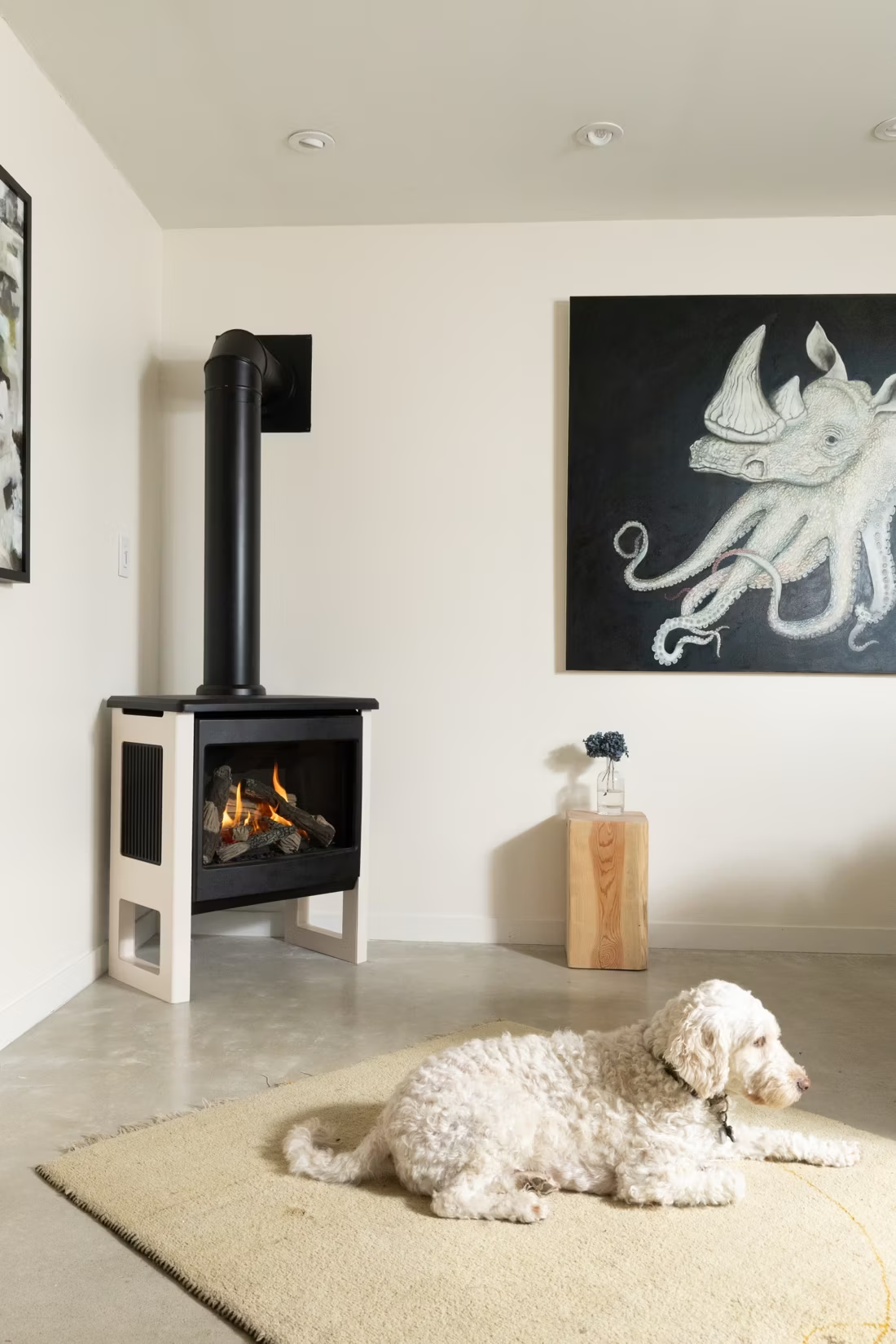
A gas fireplace is a built-in unit framed into a wall, typically used in new construction or a remodel. A gas insert drops into an existing masonry firebox, sealing it up and venting through the existing chimney—the right call for most of Nacogdoches's older homes with a fireplace already in place. A gas stove is a freestanding cast-iron or steel unit that sits out in the room, often chosen for a den or converted sunporch that doesn't have a chimney at all. For a home with an existing fireplace opening, an insert is almost always the simplest and most efficient path.
Do I need a permit to install a gas fireplace in Nacogdoches?
Yes. Gas fireplace installations require a building permit and gas line inspection through the local building department—the City of Nacogdoches Development Services Department for addresses inside city limits, or Nacogdoches County for unincorporated areas. The gas line connection itself has to be run or inspected by a licensed gas fitter. A certified hearth dealer will typically pull the permit and coordinate the gas line and final inspection as part of the installation, so you're not managing multiple trades yourself.
Should I get a vented or vent-free gas fireplace?
Vented (direct-vent) units draw combustion air from outside and exhaust it back outside through sealed venting—they're the safer, more universally recommended choice and produce real, sustained heat. Vent-free units burn without external venting and are legal in Texas, and they show up more often in mild climates like Nacogdoches's for supplemental warmth in a bonus room, sunroom, or garage apartment that doesn't have an easy venting path. If you're using the fireplace as your main heat source for a room on a regular basis rather than occasional use, a vented unit is still the better long-term choice for air quality and heat output.
How often does a gas fireplace need to be serviced?
Plan on an annual inspection, ideally before the first cold snap in November. A technician checks the burner, pilot assembly, gas connections, and venting, and cleans the glass and interior—usually $150 to $250 for the visit. Given how little a Nacogdoches fireplace runs compared to a unit in a colder climate, wear is minimal, but the gas connections and any battery backup for the ignition system still deserve a yearly look before you actually need the fireplace during an outage.
Should I choose gas, wood, or electric for my Nacogdoches home?
Wood-burning is genuinely uncommon here—Nacogdoches's mild climate and short heating season mean it's rarely worth the chimney, clearance, and maintenance a wood stove requires, even though oak and pecan firewood are easy to come by locally. Electric fireplaces or heaters are a fine, low-cost option, typically $400 to $1,200 installed, for supplemental warmth in a single room, and at roughly 13 cents per kWh through Oncor or the local cooperatives, running one occasionally is cheap. Gas is the standard choice for most homeowners here because it delivers real heat instantly, works during winter storm power outages with the right ignition system, and doesn't ask you to manage firewood or ash for a heat source you'll only lean on a few weeks a year.
What's the difference between an insert and a zero-clearance fireplace?
An insert is a fireplace that slides into a pre-existing wood-burning fireplace—if you don't have one, there's nothing to insert it into. A zero-clearance fireplace is built into a framed wall, which makes it the answer for remodels and new construction. Simple test: existing masonry fireplace means insert; blank or framed wall means zero-clearance.
Why is my open fireplace making my house colder?
Open fireplaces suck—literally. As the fire burns, it consumes air your furnace already paid to heat and pulls it out through the chimney, so the house is actually colder after the fire goes out than before you lit it. An insert fixes this: it seals the chimney, puts fixed glass across the front, and turns that hole in your house into a real heat source.
Can I install a fireplace myself?
If you're putting a fire in your house on purpose, it's best to work with an expert. Unless you're genuinely experienced in framing, gas line, vent pipe, and the national code on clearances to combustibles, have a professional do it—and ideally the same company that sells you the fireplace, so warranty, service, and liability all live under one roof.
What is an in-home preview and do I need one?
It's a visit where a hearth professional measures your space, confirms the model you picked actually works in your home, and walks the specs—framing, gas line, venting, finish work—before anything is ordered. Some details you just can't know until you see the house. Never make a down payment without one; it's the single most-skipped step that burns buyers.
Find your gas fireplace in Nacogdoches.
Tell us a bit about your home and we'll match you with the right gas fireplace, insert, or stove—and send you a free Project Guide & Parts List with your recommended local dealer.
Find Your Fireplace →