
Instant ambiance, real heat—no venting required in Frio County.
From Pearsall to Dilley and the ranch roads in between, electric fireplaces give Frio County homes a real fire look without a chimney, a gas line, or a permit headache. Find the right unit and connect with a trusted local dealer.
Every Project Starts From One of These Five Situations
Warmth on demand for a county with mild winters.
Frio County sits in climate zone 2B, and the numbers explain a lot: an average winter low around 42 degrees and only a light winter heating load for the year. That is a fraction of what a place like Bismarck, ND logs in a single month. Real cold here shows up as a handful of nights each winter when a front drops temperatures into the 30s, not a season of sustained freezing. Central heat and the occasional space heater handle most of that need, which is exactly why electric fireplaces have found a real place in local homes—not as the main defense against winter, but as an easy way to get the look and feel of a fire in a house or double-wide that was never built with a chimney in mind.
Ranch and manufactured housing are common across Frio County, and electric units fit both well. A plug-in insert or freestanding electric stove runs on a standard 120-volt outlet with no combustion, no venting, and no clearance-to-combustible headaches—a real advantage in older homes around Pearsall, Dilley, and Derby where retrofitting a chimney isn't practical. Built-in wall units that need a dedicated circuit are a bigger project, and that's where a local electrician and a code-aware installer matter: Frio County requires an electrical permit for new circuit work, even though a plug-in unit typically doesn't need one at all.
Three steps. No salesperson until you're ready.
Tell us about your project
Your zip code, your situation, and the fuel you're leaning toward—or let the answers point you to one.
See what's actually available
The brands dealers within 100 miles genuinely carry—real options, never a catalog mirage.
Get your dealer & Project Guide
A trusted local dealer, plus the free Project Guide & Parts List that names every component of the job.
Frequently Asked Questions
How much does an electric fireplace installation cost in Frio County?
A plug-in electric insert or freestanding stove that uses an existing outlet typically runs $150 to $600 for the unit itself, with little to no installation labor beyond mounting. A built-in wall unit or mantel package that requires a dedicated 120V or 240V circuit, in-wall framing, and an electrician typically lands between $1,000 and $2,500 depending on the unit size and how much electrical work is involved. Homes around Pearsall and Dilley with older wiring sometimes need a panel assessment first, which an electrician can fold into the same visit as the circuit installation.
Does an electric fireplace actually make sense in a climate this mild?
Given Frio County's average winter low of 42 degrees and a winter heating season that's light overall, an electric fireplace is not going to be anyone's primary heat source, and it shouldn't be sold to you as one. Most local homeowners install one for the ambiance—a real-looking flame with zero smoke or maintenance—and appreciate the supplemental heat on the handful of nights each winter when a cold front pushes temperatures into the 20s or 30s. If you want a unit that pulls real heating duty on those nights, look for one with a rated heater in the 1,500-watt range rather than a flame-effect-only model.
Do I need a permit to install an electric fireplace in Frio County?
A plug-in unit that runs off an existing outlet generally does not require a permit—it's treated like any other appliance. A built-in electric fireplace that needs a new dedicated circuit does require an electrical permit, since that's new wiring work subject to county code. Most licensed electricians serving Frio County pull that permit as part of the job, so you're not left coordinating inspections yourself. If you're in the city limits of Pearsall, check with the city before work starts, since city permitting can run separately from the county process.
What's the difference between an electric fireplace, an electric insert, and an electric mantel package?
A freestanding electric fireplace or stove is a self-contained unit you place against a wall and plug in—no cutting, no framing. An electric insert is built to slide into an existing fireplace opening, which works well for older Frio County homes with a masonry or metal fireplace surround that's no longer used for wood. A mantel package combines an electric insert with a matching frame and mantel shelf, giving you a finished built-in look without structural fireplace work. For most ranch-style homes in the county, an insert into an existing opening or a simple freestanding unit covers the need without a remodel.
What about a wood-burning fireplace instead—there's plenty of oak and mesquite out here.
Wood heat is genuinely uncommon as a home heating choice in Frio County, and that's simply a function of the climate—with winter lows averaging 42 degrees and an overall heating season that stays light, a wood stove would sit unused most of the year. The oak, pecan, and mesquite that grow across the county are put to good use, just usually in outdoor fire pits, smokers, and the occasional decorative fireplace rather than as a primary indoor heat source. If ambiance with a live flame matters to you but daily wood-tending doesn't fit your life, an electric unit gets you the visual without the upkeep.
Electric vs. gas—which is the better fit for a Frio County home?
Gas fireplaces are a solid option in Frio County, typically running on propane since natural gas service is limited outside the more built-up parts of the county—and they can put out real heat during a cold front without drawing on your electrical panel. Electric fireplaces skip the propane tank and gas line entirely, install in an afternoon, and cost far less upfront. If you already have propane service for a water heater or range, adding a gas fireplace is a reasonable extension. If you don't, or if you're in a manufactured home where running new gas line isn't practical, electric is usually the simpler, cheaper path to the same look.
How much does it cost to run an electric fireplace?
Most electric fireplace heaters draw around 1,500 watts on the heat setting, and at typical South Texas residential electric rates, that works out to roughly 15 to 25 cents an hour when the heater is actually running. Flame-effect-only mode with the heater off draws a fraction of that—often just a few watts, since it's just an LED effect. Given how few genuinely cold nights Frio County sees each winter, most owners find their electric fireplace adds very little to a monthly bill, since it's rarely running on high heat for long stretches.
What size electric fireplace do I need for my home?
Sizing an electric fireplace is less about square footage and more about the space you're filling and whether you want supplemental heat or just the visual. A 1,000- to 1,500-watt unit will noticeably warm a single room—a den or bedroom—on a cold night. For a larger open living area common in newer Frio County builds, a wider insert or a linear wall unit gives you more visible flame without necessarily needing more heat output, since central heat is doing the real work on those days. A local dealer can walk your space and tell you whether you need heat output, visual width, or both.
Are electric fireplaces a good option for manufactured or older ranch homes?
Yes—this is actually where electric units shine in Frio County. Manufactured and mobile homes are common across the county, and many aren't built to support a masonry chimney or gas line addition. An electric fireplace sidesteps that entirely: no combustion, no venting, and no clearance-to-combustible requirements that a wood or gas unit would demand. Older ranch homes around Pearsall and Dilley with dated electrical panels are the one case worth double-checking—have an electrician confirm the panel can handle a new dedicated circuit before committing to a built-in model.
Can I put a TV above my fireplace?
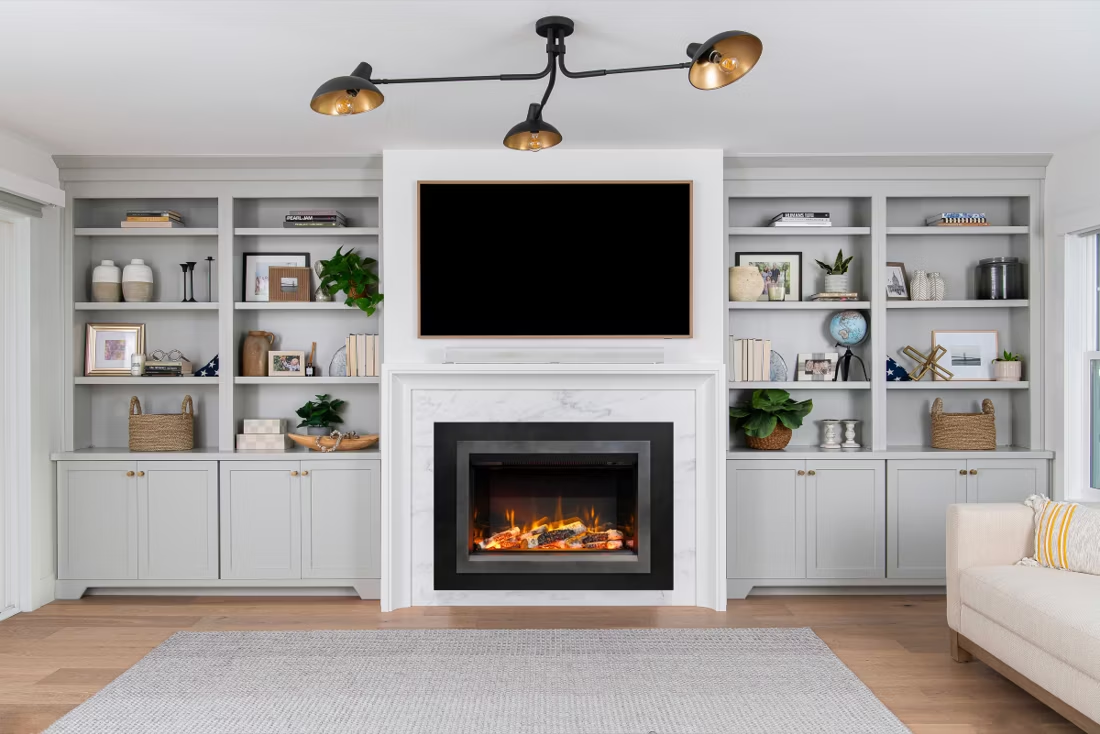
Yes—with an asterisk. Fireplaces are hot and TVs don't like heat. Either put a mantel between them to deflect rising warmth, or choose a fireplace with heat-management technology that creates a cool zone on the wall above—the wall stays around 125 degrees, barely warm, while the room still gets full heat. If you like clean lines and don't want a mantel, heat management is the answer.
How much does an electric fireplace cost to run?
With the heater on, a typical unit draws about 1,500 watts—at average electric rates that's roughly 20 cents an hour. Run the flame effect alone and it costs pennies; the flames are LED-driven and use about as much power as a light bulb. There's no pilot light, no fuel delivery, and essentially no maintenance.
What is an in-home preview and do I need one?
It's a visit where a hearth professional measures your space, confirms the model you picked actually works in your home, and walks the specs—framing, gas line, venting, finish work—before anything is ordered. Some details you just can't know until you see the house. Never make a down payment without one; it's the single most-skipped step that burns buyers.
Can a fireplace actually lower my heating bill?
Yes—by creating a comfort zone. A furnace heats every square foot of the house just to warm the one room you're in; a gas fireplace on low burns roughly a sixth of the gas a typical furnace does. Set the furnace around 55–60 degrees as a baseline, then heat the rooms your family actually uses. Families who heat this way commonly save $20–$60 a month.
Stove and Fireplace Dealers in Frio County
Listings include WhyFire partner dealers, dealers we have verified as authorized for the brands we recommend, and established local businesses that carry hearth products. Every listing shows which one it is. The ones marked Preferred run on WhyFire's software, so they can show you real pricing and book your appointment right here. No manufacturer pays for placement. How we verify dealers →
Installed Building Products, LLC
Orange County Bldg Materl
Area – San Antonio, Tx
Find your electric fireplace in Frio County.
Tell us a bit about your home and we'll put together your free Project Guide & Parts List—the right electric fireplace or insert for your space, matched with a trusted local dealer who can install it correctly.
Find Your Fireplace →