
The Fireplace Feel, Minus the Chimney.
Real-flame ambiance and instant zone heat for Austin homes and condos—no venting, no gas line, no combustion. Find the right unit and connect with a trusted local dealer.
Every Project Starts From One of These Five Situations
Mild winters, maximum flexibility.
Austin sits in climate zone 2A at 608 feet elevation, with winter lows averaging a mild 42°F and just 1,442 heating degree days a year—compare that to a place like Duluth, Minnesota, which racks up nearly 10,000. That means almost no Austin home is built around a primary wood or gas heating system the way homes in colder climates are. What Austin homeowners actually want from a fireplace is the look, the glow, and occasional zone heat for a chilly January evening—not a furnace replacement.
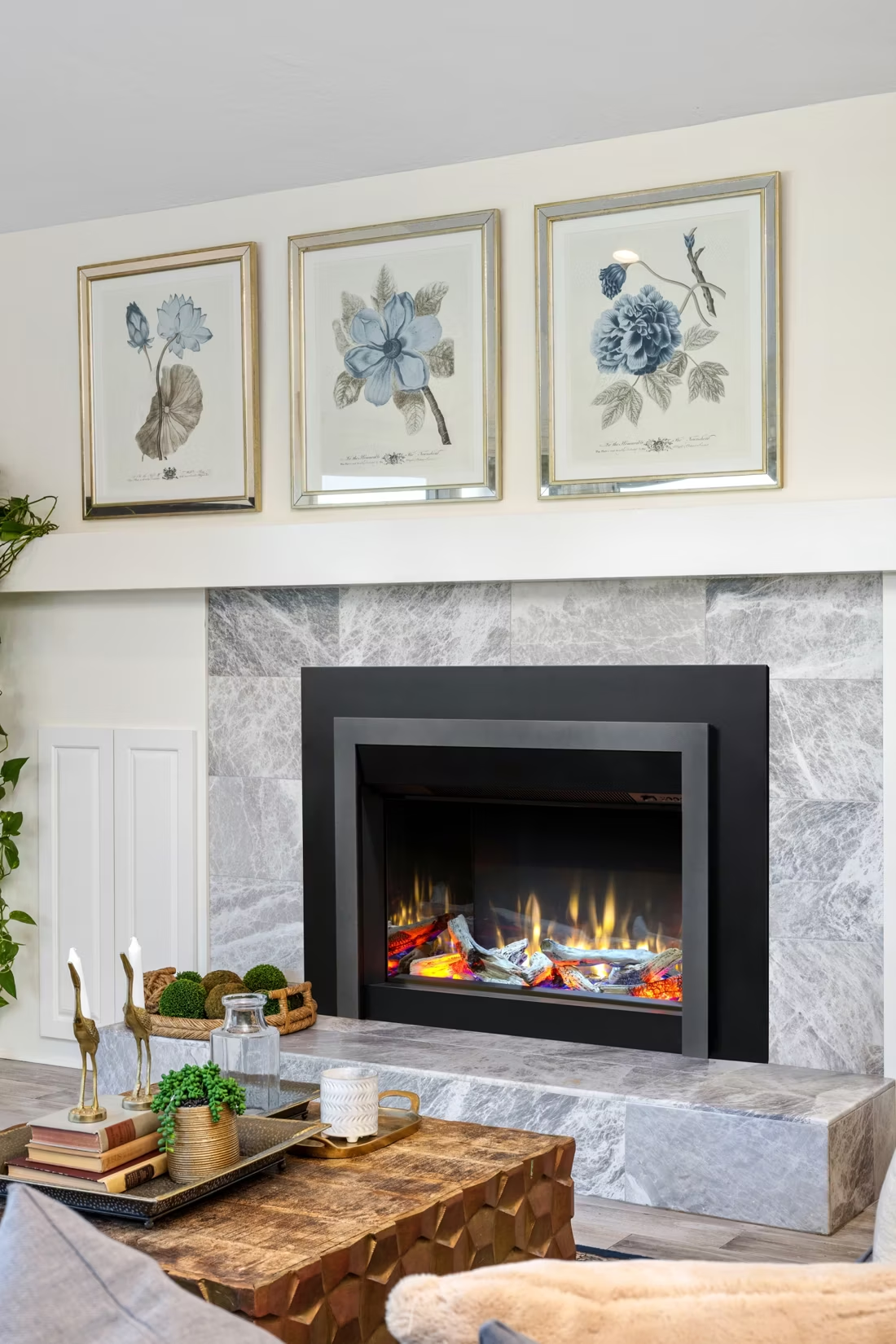
That's exactly what electric fireplaces are built for. No chimney, no venting, no gas line, and in most cases no permit—a plug-in insert or wall unit can go into a living room in 78704, a downtown high-rise unit in 78701, or a new build out in 78747 with equal ease. Electricity in the Austin area comes through Austin Energy inside the city core and Pedernales Electric Cooperative or Bluebonnet Electric Cooperative across the surrounding suburbs and Hill Country, with residential rates running roughly $0.114 to $0.126 per kWh—modest enough that running a 1,500-watt electric fireplace for supplemental heat costs pennies per hour.
Three steps. No salesperson until you're ready.
Tell us about your project
Your zip code, your situation, and the fuel you're leaning toward—or let the answers point you to one.
See what's actually available
The brands dealers within 100 miles genuinely carry—real options, never a catalog mirage.
Get your dealer & Project Guide
A trusted local dealer, plus the free Project Guide & Parts List that names every component of the job.
Frequently Asked Questions
How much does it cost to install an electric fireplace in Austin?
Most electric fireplace projects in Austin fall into two categories. A plug-in freestanding stove or a simple insert that uses an existing 120-volt outlet typically runs $500 to $2,000 including the unit, with little to no installation labor beyond mounting. A built-in wall unit or a linear fireplace set into custom cabinetry—the kind that needs a dedicated 240-volt circuit run by a licensed electrician—usually lands between $1,800 and $5,000 once framing, trim, and electrical work are included. Because there's no combustion or venting involved, electric projects are almost always the least expensive fireplace option available through a local Austin dealer.
Do I need a permit to install an electric fireplace in Austin?
In most cases, no. A plug-in electric fireplace or insert that runs off an existing outlet doesn't require a permit through the City of Austin Development Services Department. If your project involves adding a new dedicated circuit or a 240-volt line for a larger built-in unit, that electrical work does need to be pulled by a licensed electrician and typically requires an electrical permit, even though the fireplace itself involves no combustion, flue, or gas line. Unincorporated Travis County areas outside city limits—parts of 78652, 78719, and 78617—follow county electrical code rather than the city's, so check with your electrician on which jurisdiction applies.
Electric vs. gas—which makes more sense for an Austin home?
Gas is a real option here—natural gas service reaches much of central Austin—but with only 1,442 heating degree days a year, most homeowners don't need the higher heat output gas provides. Electric fireplaces cost less to install, require no gas line or venting, and can go in rooms a gas line will never reach, like an interior condo wall downtown or a bonus room addition. Gas wins if you want a stronger heat source for the occasional cold front or the sound and movement of a real flame. For pure ambiance plus light supplemental warmth on the handful of nights each winter that dip into the 30s, electric is usually the simpler and cheaper call.
Will an electric fireplace actually heat a room, or is it just for looks?
Most electric fireplaces sold today include a built-in fan-forced heater, usually rated around 1,500 watts, capable of warming a 400 to 1,000 square foot space by several degrees. Given Austin's mild winter lows in the low 40s, that's typically plenty to take the chill off a living room or bedroom without running central heat. The flame effect itself is purely cosmetic—LED-lit and can run with the heater off—which is common practice in Austin, where the flame gets used year-round for ambiance and the heater only comes on during the relatively short cold season.
What's the difference between an electric insert, a wall-mounted unit, and a freestanding stove?
An electric insert is built to slot into an existing masonry or gas fireplace opening—a popular option for older Austin homes near Hyde Park or Travis Heights that have an unused wood-burning fireplace they'd like to convert to something simpler. A wall-mounted or built-in unit is designed into new construction or a remodel, often set into a media wall or surrounded by custom cabinetry. A freestanding electric stove sits on the floor like a traditional wood stove and can be moved from room to room or apartment to apartment—a good fit for renters in the 78701 or 78704 corridor who don't want to modify a wall.
Which electric utility serves my home, and how does that affect running a fireplace?
Inside the Austin city limits, Austin Energy is the primary provider, with residential rates around $0.126 per kWh. Outside the core—much of the suburban ring in areas like 78617 and 78744, and out toward the Hill Country—Pedernales Electric Cooperative and Bluebonnet Electric Cooperative serve those areas instead, with rates closer to $0.114 to $0.122 per kWh. In practice the difference is small: a 1,500-watt fireplace heater run for four hours costs somewhere between 68 and 76 cents regardless of which utility serves your address, so operating cost isn't a major factor in choosing a unit.
Can I put an electric fireplace in a downtown Austin condo or a rental?
Yes—this is one of the most common uses for electric fireplaces in Austin. A plug-in freestanding stove or a slim wall-mounted unit requires no venting, no gas line, and no structural modification, which makes it one of the only fireplace options that works in a high-rise condo in 78701 or a leased apartment in 78752 where a landlord won't allow permanent changes. Some HOAs and property managers still have restrictions on wall-mounted units that require drilling into shared walls, so it's worth checking your lease or HOA rules before choosing between a freestanding stove and a mounted model.
How much maintenance does an electric fireplace need?
Very little compared to wood or gas. There's no chimney to sweep, no gas line to inspect, and no combustion byproducts to worry about. Maintenance is mostly dusting the unit, occasionally cleaning the glass front, and replacing LED bulbs or the heating element after years of use—most units are rated for 20,000+ hours of LED life. Local Austin hearth dealers can service or replace a heater unit, but many electric fireplace issues are simple enough to troubleshoot with the manufacturer's warranty support directly.
What size or brand of electric fireplace should I get for my Austin home?
Sizing comes down to the space you're filling and whether you want the heater running regularly. For a standard living room in a typical Austin home, a 50 to 60-inch linear unit provides ambiance for the whole room; smaller 30 to 40-inch units suit bedrooms or a condo living area. Brands like Dimplex, Napoleon, and Amantii show up frequently through Austin-area hearth dealers and offer a range of insert, wall-mount, and freestanding options. A local dealer can walk you through flame realism, heater wattage, and mounting requirements based on your actual wall and outlet setup—details that matter more than brand name alone.
Can I put a TV above my fireplace?
Yes—with an asterisk. Fireplaces are hot and TVs don't like heat. Either put a mantel between them to deflect rising warmth, or choose a fireplace with heat-management technology that creates a cool zone on the wall above—the wall stays around 125 degrees, barely warm, while the room still gets full heat. If you like clean lines and don't want a mantel, heat management is the answer.
Do electric fireplaces actually produce heat?
Yes—most put out around 4,800–5,000 BTUs from a standard outlet, which comfortably warms a bedroom, office, or den as a comfort-zone heater. What they won't do is carry a whole house the way wood, gas, or pellet can. Think of electric as ambiance-first with honest supplemental heat: flames on with no heat in July, flames plus warmth in January.
Does a fireplace add value to my home?
On average, a fireplace adds back to the home about the same amount you spent installing it. Add the monthly savings from heating the rooms you actually use instead of the whole house—often hundreds of dollars a year—and the value case is strong before you even count what a fire does for how your family uses the room.
What is an in-home preview and do I need one?
It's a visit where a hearth professional measures your space, confirms the model you picked actually works in your home, and walks the specs—framing, gas line, venting, finish work—before anything is ordered. Some details you just can't know until you see the house. Never make a down payment without one; it's the single most-skipped step that burns buyers.
Preferred Dealer in Austin
Marked Preferred because they run on WhyFire's software—so they can show you real pricing and book your appointment right here. No manufacturer pays for placement. How we verify dealers →
Electric Service in Austin
An electric fireplace's heater draws about 1,500 watts—pennies per hour at local rates.
Bluebonnet Electric Coop, Inc
Pedernales Electric Coop, Inc
Austin Energy
Find your electric fireplace in Austin.
Tell us a bit about your home and we'll match you with the right electric fireplace, insert, or wall unit—plus a free Project Guide & Parts List and a trusted local Austin dealer to install it.
Find Your Fireplace →