
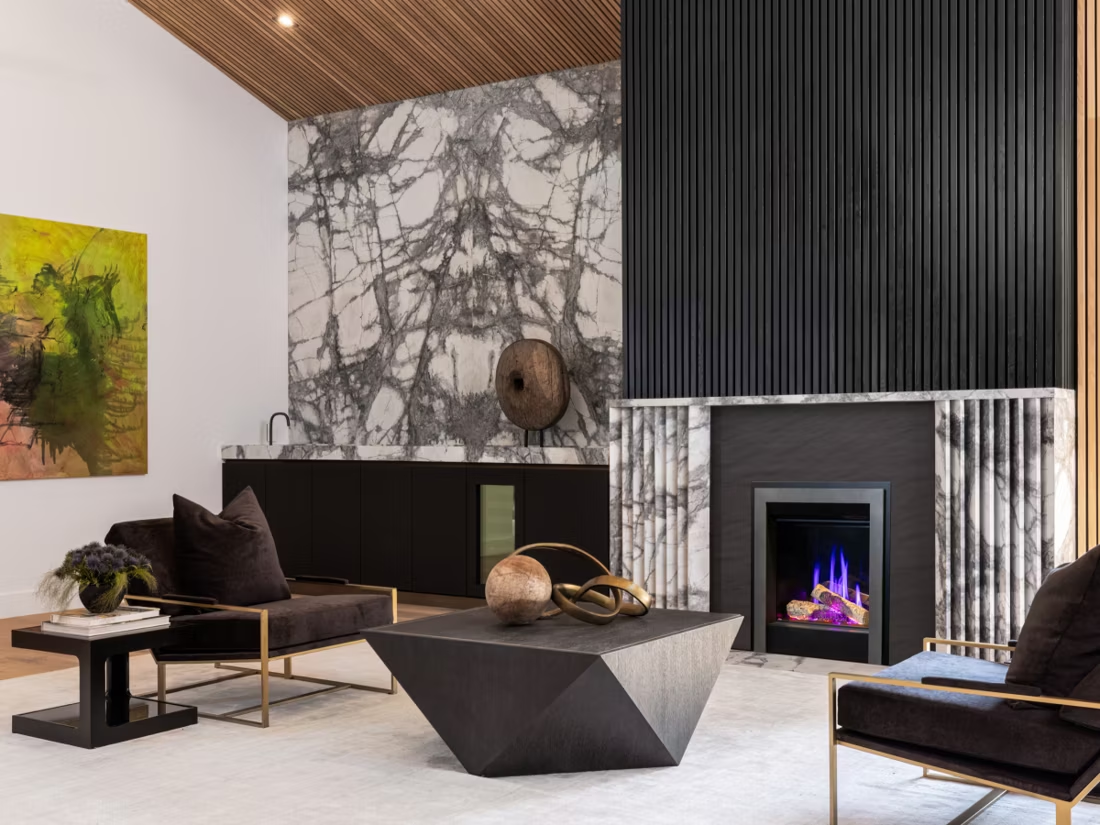
Find your electric fireplace in Warren County.
Heat that plugs in and works the same day, no chimney or gas line required—for McMinnville and every community across Warren County served by Duck River Electric Membership Corporation. Find the right unit and connect with a trusted local dealer.
Every Project Starts From One of These Five Situations
Instant heat without the vent, the wood, or the permit hassle.
Warren County sits in climate zone 4A with an average winter low around 31 degrees and roughly 3,286 heating degree days—cold enough for regular fires but nowhere near the brutal stretch of a place like Duluth or Fargo. That mild-but-real heating season is exactly the profile where electric fireplaces earn their keep: they don't need to carry a whole house through a Minnesota winter, they just need to take the chill off a McMinnville living room or a rural farmhouse bedroom on the nights when it dips into the 20s.
Wood heat still runs deep here—oak, hickory, maple, and pine are all common cordwood species, and Cherokee National Forest issues cutting permits at $20 a cord from May through October for county residents who like to cut their own. But not every home wants a chimney, and not every room is set up for one. Electric fireplaces fill that gap: no flue, no gas line, no building permit process, and no combustion byproducts to vent. Power comes through Duck River Electric Membership Corporation across most of the county, and a plug-in or hardwired electric unit draws on that supply the same way a space heater or a window unit does—just with a real flame-effect and a mantel worth looking at.
Three steps. No salesperson until you're ready.
Tell us about your project
Your zip code, your situation, and the fuel you're leaning toward—or let the answers point you to one.
See what's actually available
The brands dealers within 100 miles genuinely carry—real options, never a catalog mirage.
Get your dealer & Project Guide
A trusted local dealer, plus the free Project Guide & Parts List that names every component of the job.
Frequently Asked Questions
How much does an electric fireplace cost to install in Warren County?
Plug-in electric inserts and freestanding stoves are the least expensive route—typically $150 to $600 for the unit, with no additional installation cost if you're using an existing standard outlet. Built-in wall units and larger mantel packages that need a dedicated 240-volt circuit run higher, generally $800 to $2,500 once you factor in the unit and an electrician to run the new circuit. Compare that to a wood stove install, which usually means chimney work and a county building permit, or a gas insert, which needs a gas line—electric skips both of those cost centers entirely, which is a big part of why it's a popular choice for a second living space or a bedroom in Warren County homes.
Do I need a permit to install an electric fireplace in Warren County?
For a plug-in unit that runs off an existing outlet, no building permit is required. If you're installing a larger built-in electric fireplace that needs a dedicated 240-volt circuit, that electrical work falls under standard county electrical code and should be pulled and inspected by a licensed electrician—but it's a straightforward permit, nothing like the building permit and clearance review that wood or gas installs go through. This is one of the reasons electric is often the fastest option to get running in an existing Warren County home.
How does an electric fireplace compare to a wood stove in Warren County?
A wood stove burning local oak or hickory produces far more raw heat output and can run without power during an outage—a real consideration here, since Duck River Electric Membership Corporation's rural lines can go down in ice storms. But wood means chimney maintenance, cutting or buying cordwood, and ash cleanup. An electric fireplace produces zone heat only—it'll warm the room it's in, not the whole house—but it requires zero maintenance beyond dusting, no venting, and no Cherokee National Forest cutting permit. Many Warren County households run both: wood in the main living area for real heat and backup capability, electric in a bedroom, den, or rental unit where convenience matters more than raw BTUs.
What size electric fireplace do I need?
Most electric fireplaces are rated for supplemental heat in a single room, typically 400 to 1,500 square feet depending on the model and insulation. A 1,500-watt unit—the standard output for most electric inserts and stoves—will comfortably take the edge off a bedroom or den in the mild winters common to Warren County's 4A climate zone, but it won't replace central heat on the coldest nights of the year. If you're trying to heat an open-concept living and kitchen area, look at larger built-in units or plan on a second unit rather than expecting one insert to cover the whole footprint.
Can an electric fireplace be my primary heat source?
Not really, and most manufacturers are upfront about that—electric fireplaces are built for supplemental zone heat, not whole-home heating. With Warren County's roughly 3,286 heating degree days, most homes still lean on a central HVAC system or a wood stove for primary heat and use electric fireplaces to warm a specific room without running the whole system harder. Where electric does work well as a near-primary source is in a small space—a converted sunroom, a detached office, or a manufactured home bedroom—where the square footage matches what a single unit can actually cover.
Is electric a good option for rental homes or manufactured housing in Warren County?
Yes—it's often the best fit. A plug-in electric insert or stove requires no chimney, no gas line, and no structural modification, which makes it ideal for rental properties, manufactured homes, and older houses in McMinnville and around the county that were never built with a masonry fireplace. It's also the one hearth option a renter can typically take with them when they move, since freestanding units don't require any permanent installation.
Will my electric fireplace work during a power outage?
No—electric fireplaces require power to run, so they won't help during an outage the way a wood stove will. This matters in parts of rural Warren County where Duck River Electric Membership Corporation service can be interrupted during ice storms or severe thunderstorms. If backup heat during outages is a priority for your household, pair an electric fireplace for everyday convenience with a wood stove or a battery-backed gas unit for the nights the power actually drops.
What's the difference between an electric insert, a built-in, and a freestanding stove?
An electric insert is designed to slide into an existing masonry fireplace opening, giving an old wood-burning fireplace a heat source again without any venting work. A built-in electric fireplace is installed into a framed wall or custom surround, typically in new construction or a remodel, and often needs that dedicated 240-volt circuit. A freestanding electric stove sits on the floor like a traditional wood stove but plugs into a standard outlet—the simplest option for adding a heat source to a room with no existing fireplace. For most Warren County homeowners without an existing masonry fireplace, the freestanding stove or a wall-mounted unit is the easiest path.
Electric vs. propane—which is right for my Warren County home?
Propane is common in the more rural parts of the county where natural gas lines don't reach, and a propane fireplace can put out real heat and even run during an outage with the right ignition system—but it requires a tank, fuel deliveries, and gas line work. Electric skips all of that: no tank, no delivery schedule, no combustion venting, just a plug or a dedicated circuit. For a primary heat source in an off-grid-leaning rural property, propane usually wins. For supplemental heat, ambiance, or a room where running gas line isn't practical, electric is the simpler and cheaper install.
Can I put a TV above my fireplace?
Yes—with an asterisk. Fireplaces are hot and TVs don't like heat. Either put a mantel between them to deflect rising warmth, or choose a fireplace with heat-management technology that creates a cool zone on the wall above—the wall stays around 125 degrees, barely warm, while the room still gets full heat. If you like clean lines and don't want a mantel, heat management is the answer.
Does an electric fireplace need a vent or chimney?
No—that's its superpower. An electric fireplace needs a wall and an outlet, period. No vent pipe, no gas line, no clearances to design around, which is why it works in bedrooms, offices, apartments, and walls where venting a gas or wood unit would be impractical or impossible. Installation is typically the simplest and least expensive of any fireplace type.
Can I install a fireplace myself?
If you're putting a fire in your house on purpose, it's best to work with an expert. Unless you're genuinely experienced in framing, gas line, vent pipe, and the national code on clearances to combustibles, have a professional do it—and ideally the same company that sells you the fireplace, so warranty, service, and liability all live under one roof.
What is an in-home preview and do I need one?
It's a visit where a hearth professional measures your space, confirms the model you picked actually works in your home, and walks the specs—framing, gas line, venting, finish work—before anything is ordered. Some details you just can't know until you see the house. Never make a down payment without one; it's the single most-skipped step that burns buyers.
Stove and Fireplace Dealers in Warren County
Listings include WhyFire partner dealers, dealers we have verified as authorized for the brands we recommend, and established local businesses that carry hearth products. Every listing shows which one it is. The ones marked Preferred run on WhyFire's software, so they can show you real pricing and book your appointment right here. No manufacturer pays for placement. How we verify dealers →
Middle Tn Natural Gas - McMinnville
All Gas
Middle Tn Natural Gas - Woodbury
Middle Tn Natural Gas - Smithville
Spar Gas Inc.
Middle Tn Natural Gas - Sparta
Find your electric fireplace in Warren County.
Tell us about your home and we'll match you with a trusted local dealer serving Warren County, plus a free Project Guide & Parts List—the exact unit, circuit needs, and install plan for your space.
Find Your Fireplace →