
Add Efficient Gas Heat to Your Merion Station Home.
Reliable, instant warmth for the Main Line's older housing stock—find the right gas fireplace or insert and get matched with a trusted local dealer.
Every Project Starts From One of These Five Situations
Instant heat that fits a historic home.
Merion Station sits inside Lower Merion Township at just 285 feet of elevation, with a climate zone 4A profile and a winter heating load that's mild by national standards, closer to Philadelphia's suburbs than to a place like Buffalo, NY. Winters average lows around 28°F with occasional cold snaps, and the housing stock here is dominated by Tudor Revival and Colonial Revival homes built in the early 20th century, many with original masonry fireplaces that were never designed for serious heating.
PECO serves both electric and natural gas throughout Lower Merion Township, which means most Merion Station homes already have gas service available at the street. That makes converting an existing wood-burning fireplace to a clean, direct-vent gas insert one of the most common upgrades on the Main Line—homeowners keep the original mantel and masonry opening while gaining push-button heat, no ash, and no chimney maintenance headaches. For homes without an existing fireplace, a built-in gas unit or freestanding gas stove works well as zone heat alongside central HVAC, especially in drafty older additions or sunrooms.
Three steps. No salesperson until you're ready.
Tell us about your project
Your zip code, your situation, and the fuel you're leaning toward—or let the answers point you to one.
See what's actually available
The brands dealers within 100 miles genuinely carry—real options, never a catalog mirage.
Get your dealer & Project Guide
A trusted local dealer, plus the free Project Guide & Parts List that names every component of the job.
Frequently Asked Questions
How much does a gas fireplace installation cost in Merion Station?
Most gas fireplace and insert installations in Merion Station run between roughly $4,000 and $10,000. A direct-vent gas insert dropped into an existing masonry fireplace—common in this area's Tudor and Colonial Revival homes—tends to land on the lower-to-middle end, especially when a gas line is already nearby. A new built-in gas fireplace for a remodel or addition, requiring fresh gas line work and venting through an exterior wall, runs higher. Local dealers will give you a firm number after seeing your chimney or wall configuration in person.
Can I convert my existing wood fireplace to gas?
Yes, and it's a routine project here given how many Merion Station homes were built in the 1900s–1930s with original masonry fireboxes. A gas insert typically slides into that existing opening, using a stainless steel liner run up the old flue for venting. Because PECO already serves natural gas throughout Lower Merion Township, most of these homes just need a gas line extended from an existing appliance rather than a whole new service run, which keeps costs down compared to areas without gas infrastructure.
Do I need natural gas, or is propane more common here?
Natural gas is the standard in Merion Station. PECO provides both electric and natural gas service across Lower Merion Township, and the vast majority of homes here already use gas for water heating, cooking, or furnace heat, so adding a fireplace is usually a straightforward tie-in. Propane is rarely necessary in this zip code—it tends to show up only in outlying rural pockets of Montgomery County that PECO's gas mains don't reach, which isn't the case in this part of the Main Line.
Will my gas fireplace still work if the power goes out?
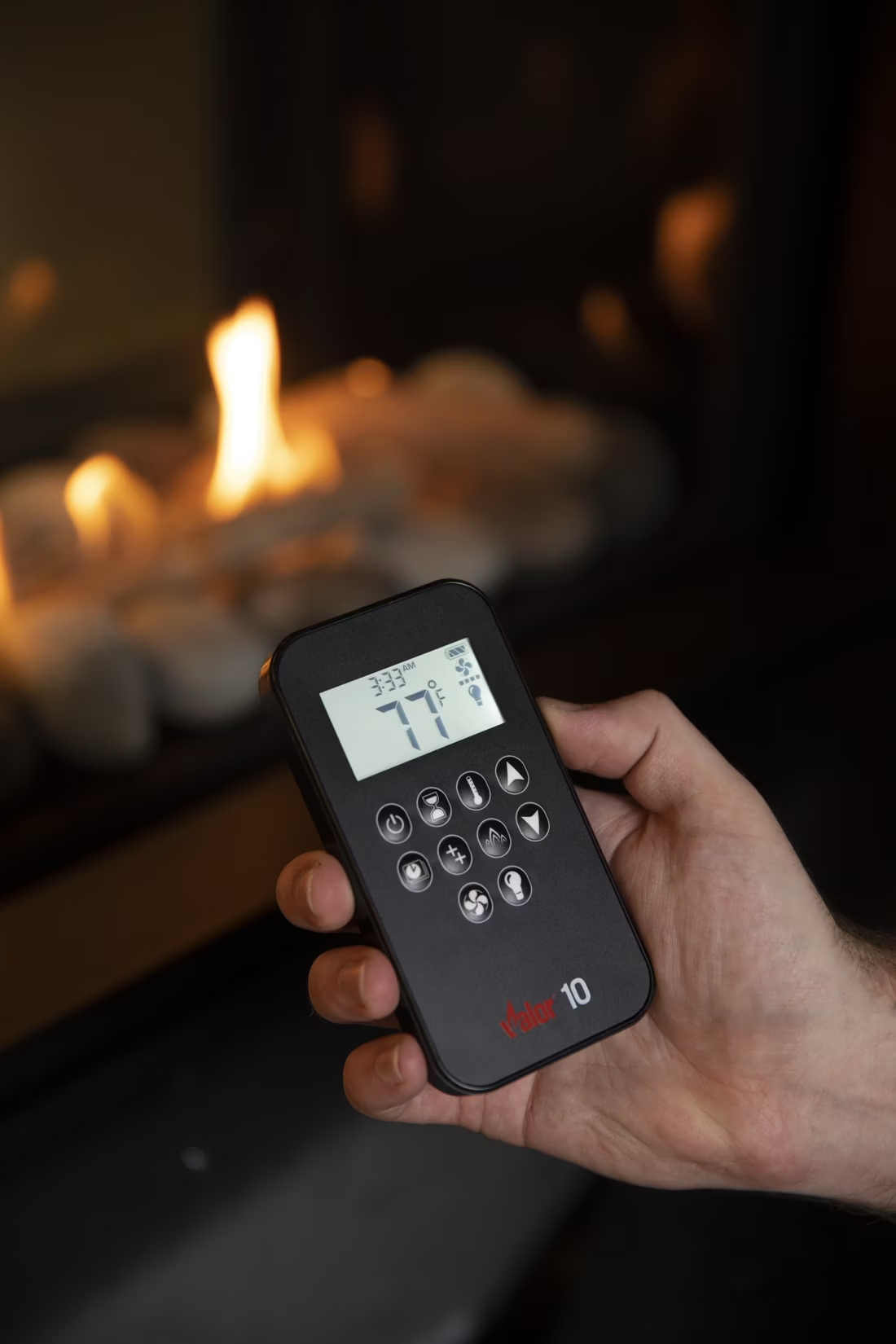
Most modern gas fireplaces will, which matters here given how ice storms and nor'easters occasionally knock out power along the Main Line's tree-lined streets. Units with intermittent pilot ignition (IPI) include a small battery backup that keeps the unit operable during an outage—just remember to swap the batteries periodically. Valor fireplaces take a different route: their pilot assembly generates its own electricity through the thermocouple, so there's no battery to maintain at all. Ask your local dealer which ignition system a given model uses if backup heat matters to you.
What's the difference between a gas fireplace, insert, and stove?
A gas insert is built to slide into an existing masonry firebox—the most common fit for Merion Station's older homes with original fireplaces. A built-in gas fireplace is framed into a wall from scratch, which suits additions, sunrooms, or newer construction without an existing chimney. A gas stove is a freestanding cast-iron or steel unit that sits on the floor and vents through a wall or existing flue, often used in smaller rooms where a full mantel surround isn't practical. Most homeowners here start with an insert simply because the fireplace opening already exists.
Do I need a permit to install a gas fireplace in Merion Station?
Yes—work here falls under Lower Merion Township's Building & Planning Department, and Pennsylvania's Uniform Construction Code requires both a building permit and licensed gas-fitter sign-off for new gas line and appliance work. A certified hearth dealer will typically pull these permits as part of the installation and coordinate the gas line work with a licensed plumber, so you're not managing multiple trades yourself.
Vented vs. vent-free gas fireplaces—what should I know?
Vented (direct-vent) units draw combustion air from outside and exhaust exhaust gases back outside through sealed venting—they're the standard choice and the most common recommendation for Merion Station's older, tighter-built homes. Vent-free units burn without external venting and release some combustion byproducts into the room; Pennsylvania permits them, but they come with strict minimum room-size requirements and oxygen depletion sensors. Given how many homes here have working chimneys already suited to a liner, direct-vent inserts are usually the simpler and more universally recommended path.
How often does a gas fireplace need service?
An annual inspection is recommended for any gas-burning appliance, including inserts and built-ins. A technician checks the burner, pilot assembly, venting, and gas connections, and cleans the glass—typically a $150–$250 visit. This matters even in a mild climate zone like Merion Station's 4A, since a unit that only runs a few months a year can still develop pilot or ignition issues that go unnoticed until the first cold snap.
Gas vs. wood—which makes more sense for a Merion Station home?
With a winter heating load that's moderate compared to colder inland climates like Buffalo, NY, Merion Station's winters call for most homes here to use gas or oil-fired central heat as primary warmth and a fireplace mainly for supplemental or ambient use. Wood is still an option, and hardwoods like oak, hickory, and cherry are common regionally, but keeping a wood-burning fireplace fed and swept takes more effort than the climate here strictly demands. Gas fits Main Line living well: instant on-off operation, no ash or creosote, and it works cleanly in a historic masonry opening without altering the room's character. Some homeowners keep a wood-burning setup for occasional atmosphere and add gas elsewhere for daily convenience.
Is my gas fireplace wasting gas?
If it was installed more than 15 years ago, probably. Older gas fireplaces keep a standing pilot light burning all the time, and that little flame can cost a couple hundred dollars a year. Newer models use pilot-on-demand ignition—the pilot lights only when you use the fireplace and goes out when you turn it off.
What's the difference between an insert and a zero-clearance fireplace?
An insert is a fireplace that slides into a pre-existing wood-burning fireplace—if you don't have one, there's nothing to insert it into. A zero-clearance fireplace is built into a framed wall, which makes it the answer for remodels and new construction. Simple test: existing masonry fireplace means insert; blank or framed wall means zero-clearance.
Can I install a fireplace myself?
If you're putting a fire in your house on purpose, it's best to work with an expert. Unless you're genuinely experienced in framing, gas line, vent pipe, and the national code on clearances to combustibles, have a professional do it—and ideally the same company that sells you the fireplace, so warranty, service, and liability all live under one roof.
Does a fireplace add value to my home?
On average, a fireplace adds back to the home about the same amount you spent installing it. Add the monthly savings from heating the rooms you actually use instead of the whole house—often hundreds of dollars a year—and the value case is strong before you even count what a fire does for how your family uses the room.
Nearby Dealers
Hearth shops serving Merion Station and the surrounding area. Every listing shows whether it is a WhyFire partner, a dealer we have verified as authorized for the brands we recommend, or a local business carrying hearth products. No manufacturer pays for placement. How we verify dealers →
Norristown Chimney
Ambler Fireplace And Patio
Maple Glen Mechanical
Kester Fireplace
Halligan's Hearth And Home
Comfort Home & Hearth
Halco Grills And Fireplaces
Plumbarama Co. Inc.
Estates Chimney & Fireplace
Find your gas fireplace in Merion Station.
Tell us about your home and we'll match you with a trusted local dealer and send over a free Project Guide & Parts List—the exact parts, vent kit, and installer recommendation for your Merion Station project.
Find Your Fireplace →