
Find your fireplace across the Niagara Region.
Wood, gas, pellet, and electric fireplace resources for every community on the Niagara Peninsula—from Niagara Falls and St. Catharines to Fort Erie and Niagara-on-the-Lake. Pick a fuel and we'll help you find a local, trusted dealer who actually installs it here.
Every Project Starts From One of These Five Situations
Lake-moderated winters, four fuels, and a hardwood forest right outside the door.
The Niagara Region sits on a peninsula wedged between Lake Ontario and Lake Erie, with the Niagara Escarpment running through its middle—geography that gives the area a genuinely milder winter than most of Ontario. Average winter lows here run around -7.1°C, noticeably gentler than Ottawa or Sudbury, thanks to the moderating effect of two Great Lakes. That said, the region still gets a real winter, and homes across St. Catharines, Niagara Falls, Welland, Fort Erie, Niagara-on-the-Lake, Grimsby, Lincoln, Pelham, Port Colborne, Thorold, Wainfleet, and West Lincoln lean on wood, gas, pellet, and electric heat through the cold months. The Carolinian hardwood forest that gives Niagara its wine country also supplies sugar maple, red oak, white ash, and yellow birch—species that burn hot and steady in a wood stove or insert, and that keep local firewood dealers well stocked heading into fall.
Natural gas service reaches most of the built-up area through Enbridge Gas, which is why gas fireplaces and inserts are the default choice in newer subdivisions from Niagara Falls to Grimsby. Wood heat, though, remains deeply rooted here given the surrounding hardwood supply, and a few municipalities now require certified low-emission appliances in new construction—something a good local installer builds into the plan without any drama. Any wood-burning install has to meet the CSA B365 installation code, and most insurers will ask for a WETT inspection before covering a wood stove or insert, regardless of which town you're in. Pellet stoves have a smaller but steady following, with Lacwood and Energex both distributed regionally. This hub rolls up retailers, service technicians, and fuel suppliers across the whole Niagara Peninsula—pick your fuel below for local dealers, install costs, and unit recommendations specific to your town.
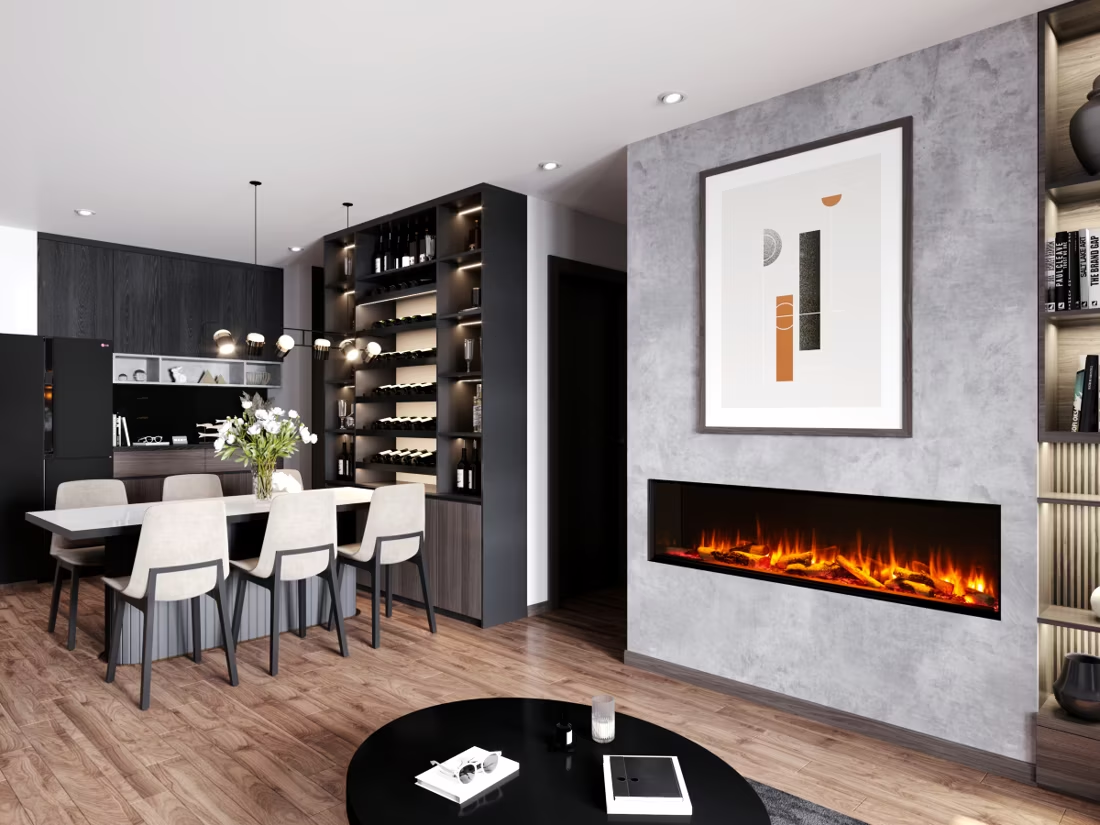
Four fuels. One honest answer for Regional Municipality of Niagara.
Wood
81 models available near Regional Municipality of Niagara.
Find your wood stove →Gas
365 models available near Regional Municipality of Niagara.
Find your gas fireplace →Pellet
See what's available near Regional Municipality of Niagara.
Find your pellet stove →Electric
11 models available near Regional Municipality of Niagara.
Find your electric fireplace →Three steps. No salesperson until you're ready.
Tell us about your project
Your postal code, your situation, and the fuel you're leaning toward—or let the answers point you to one.
See what's actually available
The brands dealers within 100 miles genuinely carry—real options, never a catalog mirage.
Get your dealer & Project Guide
A trusted local dealer, plus the free Project Guide & Parts List that names every component of the job.
Frequently Asked Questions
Which fireplace fuel makes the most sense in the Niagara Region?
All four fuels see real use here, and the right pick depends more on your home and neighborhood than on the climate—winters are milder than most of Ontario, with average lows around -7.1°C rather than the deep swings you'd see in Sudbury or Winnipeg. Natural gas, delivered through Enbridge Gas, is the default in newer subdivisions across St. Catharines, Niagara Falls, and Grimsby because it's convenient and widely available. Wood remains popular in older homes and rural stretches near Wainfleet and West Lincoln, helped along by the dense sugar maple, red oak, white ash, and yellow birch supply that comes with living in Carolinian hardwood country. Pellet stoves, with Lacwood and Energex both distributed regionally, appeal to households that want wood-like ambiance without cutting and stacking firewood. Electric fireplaces work well as a supplemental unit in a condo in downtown St. Catharines or a finished basement in Welland, though they're not typically sized to carry a whole home through winter here.
Do I need a permit to install a wood stove or fireplace in the Niagara Region?
Yes. New wood stove, insert, and fireplace installs go through your municipal building department—whether that's Niagara Falls, St. Catharines, Welland, or one of the smaller towns—and must meet the CSA B365 installation code. Gas installs need a separate permit and a licensed gas fitter to make the connection to Enbridge Gas service. Most homeowner insurance policies also require a WETT inspection on any wood-burning appliance before they'll extend or renew coverage, so it's worth booking that even if your municipality doesn't formally require it. Pellet stove permitting follows a similar path to wood. The retailers we help homeowners find generally handle the permit paperwork as part of the project, so you're not filing it yourself.
Why do some Niagara municipalities require certified appliances for new wood stoves?
The Niagara Region sits in some of the densest hardwood country in southern Ontario, and with that comes a lot of wood-burning appliances in relatively close proximity, especially in the older neighborhoods of St. Catharines and Welland. Several municipalities have responded by requiring certified low-emission appliances in new construction rather than allowing older, uncertified units to be installed fresh. In practice this means any new wood stove or insert your dealer sells you is already built to meet that standard—CSA-certified units are the norm at reputable retailers regardless of whether your specific municipality mandates it, so this rarely changes what's actually available on a showroom floor.
Can I find a retailer that carries more than one fuel type?
Most retailers across the Niagara Region carry two or three fuel types rather than specializing in just one, which reflects how mixed the housing stock is here—century homes in Niagara-on-the-Lake next to new-build subdivisions in Grimsby, each wanting something different. Multi-fuel dealers let you compare a wood insert, a gas unit, and a pellet stove side by side and talk through what actually fits your chimney, your gas line access, and your budget. We'll help you find the retailer whose fuel lineup and service area genuinely covers your address rather than defaulting you to whichever brand is biggest.
How does installation and service work if I'm outside St. Catharines or Niagara Falls?
Installers and service technicians are concentrated around the region's larger centres but regularly cover the whole peninsula, including Fort Erie, Port Colborne, Pelham, Thorold, Wainfleet, and West Lincoln. Expect scheduling to get tighter in October and November as everyone tries to get their wood stove swept or their gas unit serviced before the first real cold snap, so booking in late summer is the easiest way to avoid a wait. For rural properties near the escarpment or the lakeshore, it's worth confirming your installer's travel radius up front, since a farther address can mean a modest trip charge.
What does a fireplace installation typically cost in the Niagara Region?
Costs vary by fuel and by how much venting or gas-line work your project needs. Wood stove or insert installs typically run $4,000-$9,000 CAD, with full chimney construction for new builds pushing higher. Gas fireplaces, inserts, and stoves generally land between $4,500-$10,000 CAD depending on whether you're extending an Enbridge Gas line or converting an existing hearth. Pellet stove or insert installs usually run $4,000-$7,000 CAD. Electric fireplaces are the most affordable option—$300-$3,500 CAD for the unit itself, plus $500-$1,200 CAD in labour for anything beyond a simple plug-in placement. The region and fuel pages above break these numbers down further with local retailer pricing.
How many BTUs do I need in a fireplace?
Wrong question—and the industry's favorite way to confuse you. More BTUs isn't better if the fireplace cooks you out of the room you spent thousands to enjoy. Think in terms you can verify: how many square feet the unit heats, whether it's primary or backup heat, and whether you want it running overnight. Those three answers size a fireplace correctly every time.
Will we actually use a fireplace once we have one?
In my own home, the room with the fireplace has never been the same—it became the social hub. Game nights, holidays, date nights after the kids are down: the fire is where the house gathers. There's a reason people in this industry joke that we're really in the romance and entertainment business. You won't wonder whether you'll use it; you'll wonder how the room worked before.
What does it take to replace an existing fireplace?
Fireplaces are like icebergs—bigger behind the wall than in front of it. Replacement means removing the surrounding tile or stone (the finish material laps onto the fireplace face), pulling the old unit, setting the new one in the same enclosure, and re-finishing the wall. A hearth professional can determine what's behind your wall without demolition during an in-home preview.
I know I want a fireplace—where do I actually start?
Do two things today: snap a photo of the wall or fireplace you want to transform, and take a tape measure to the space—width, height, depth. Those two artifacts answer most of a hearth professional's first questions. Then settle fuel (wood, gas, pellet, or electric) and set a realistic budget: $3,900–$5,500 covers fireplace, vent, and basic install for most homes.
Stove and Fireplace Dealers in Regional Municipality of Niagara
Listings include WhyFire partner dealers, dealers we have verified as authorized for the brands we recommend, and established local businesses that carry hearth products. Every listing shows which one it is. The ones marked Preferred run on WhyFire's software, so they can show you real pricing and book your appointment right here. No manufacturer pays for placement. How we verify dealers →
Enviro-Niagara Hearth And Barbeque
Goemans Fireplaces
Recreational Distributors Inc.
All-Ways Warm Stove & Chimney
Find a local Niagara Region dealer.
Pick your fuel below and we'll put together a free Project Guide & Parts List—the right unit, the vent kit it needs, and the local dealer we recommend for your project.
Find Your Fireplace →