
Electric heat that just works through Carp's coldest nights.
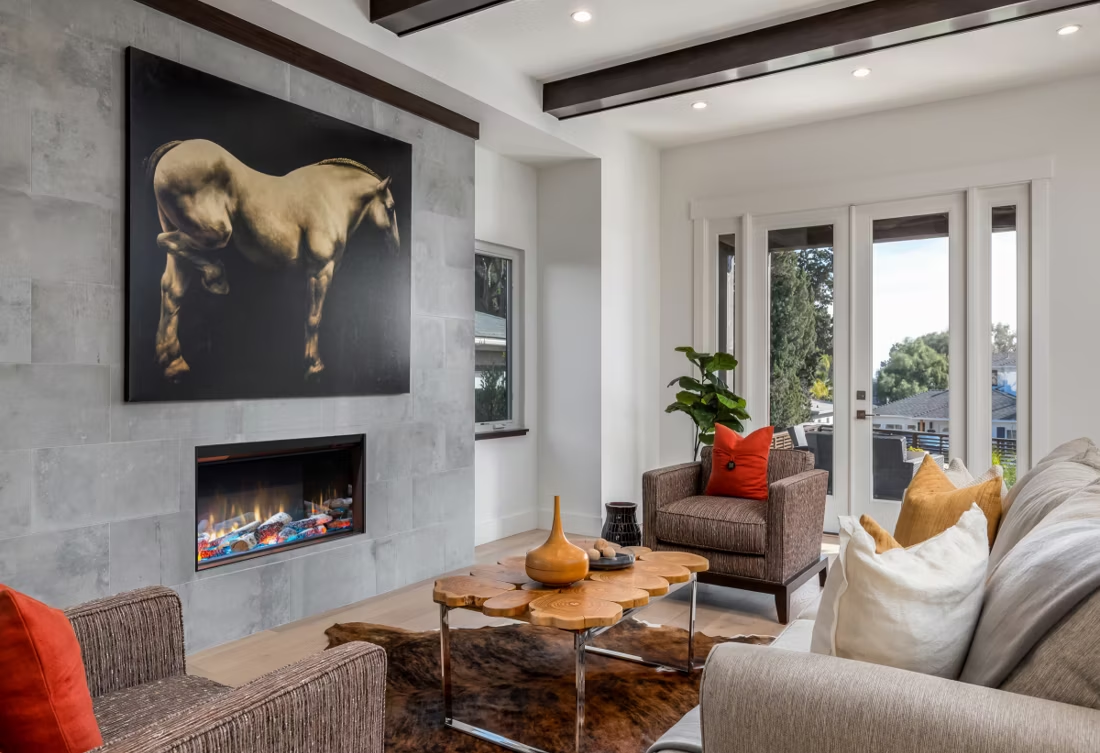
Carp sits west of Ottawa with winter lows averaging -16.7°C, and Hydro One serves most of the surrounding rural stretch. An electric fireplace or insert needs no chimney, no gas line, and no venting—just a dedicated circuit and the right unit for the room. We'll help you find a trusted local dealer and a free plan for the project.
Every Project Starts From One of These Five Situations
The simplest upgrade for additions, basements, and older farmhouses alike.
Carp is a rural village in the City of Ottawa's West Carleton-March ward, roughly 25 kilometres west of downtown along the Carp River, sitting at about 110 metres elevation with winter lows that average -16.7°C and a heating season that runs a full five months or more. Century farmhouses, newer subdivisions near the Carp Airport, and hobby farms scattered along the surrounding concession roads make for a real mix of housing stock, and a lot of that housing stock doesn't have a gas line or an existing masonry chimney worth retrofitting. That's where electric earns its keep: a fireplace or insert plugs into standard household power, needs no venting through a wall or roof, and can go into a basement rec room, a sunroom addition, or a bedroom without touching the structure of the house.
The math is simple. A typical electric fireplace installation in Carp runs $500 to $1,600, with a plug-in wall-mount insert at the low end and a built-in unit needing a new dedicated circuit at the top. Hydro One serves most of the rural stretch around Carp, and at its residential rate of about 12.8 cents per kWh, a standard 1,500-watt unit running most evenings costs roughly $25 to $30 a month—far less than the cost of extending an Enbridge Gas line or adding a masonry chimney. Electric units also skip the CSA B365 code and WETT inspection that apply to wood appliances here, which simplifies both the install and the insurance conversation, though it's worth remembering that electric heat goes dark the moment the power does, which matters on a stretch of grid that sees its share of ice-storm outages.
Three steps. No salesperson until you're ready.
Tell us about your project
Your postal code, your situation, and the fuel you're leaning toward—or let the answers point you to one.
See what's actually available
The brands dealers within 100 miles genuinely carry—real options, never a catalog mirage.
Get your dealer & Project Guide
A trusted local dealer, plus the free Project Guide & Parts List that names every component of the job.
Frequently Asked Questions
How much does an electric fireplace installation cost in Carp?
Most electric fireplace installs in Carp fall between $500 and $1,600 CAD. A plug-in wall-mount or a freestanding electric stove that just needs a standard outlet sits at the low end, often finished in an afternoon. A built-in wall unit with a custom surround, especially in one of Carp's older farmhouses where the panel may need a subpanel or a new dedicated circuit, runs toward the top of that range once an electrician is involved. Either way, there's no chimney or gas line to budget for, which is a big part of why electric is the fastest upgrade path for a lot of homes out here.
Will an electric fireplace actually heat my house through a Carp winter?
Not as a primary heat source—most electric fireplaces run around 1,500 watts, good for roughly 5,000 BTU an hour, which comfortably warms a single room but won't carry a whole house through a winter that averages -16.7°C at its coldest and stays below freezing for months. Think of it as zone heat for a family room, a basement, or a sunroom addition, running alongside your existing furnace or a wood stove for the deep-winter stretches. That's exactly how most Carp households use theirs.
Do I need a permit to install an electric fireplace in Carp?
Carp falls under the City of Ottawa's building department, and a straightforward plug-in unit generally doesn't trigger a permit. If your installer is adding a new dedicated circuit or upgrading panel capacity—common in Carp's older farmhouses that were wired decades before central air or a home office existed—that electrical work needs to be inspected under the Electrical Safety Authority's rules. Most local dealers coordinate that inspection as part of the job, so it's one call, not two.
What's the difference between an electric insert, a built-in, and a mantel package?
An electric insert is sized to slide into an existing masonry firebox, which works well if you've got an old wood-burning fireplace in a Carp farmhouse you'd rather not maintain. A built-in is framed into a wall during a renovation or addition, with a custom surround finished around it. A mantel package pairs a freestanding electric unit with a stand-alone cabinet, no construction required—it just needs an outlet, which makes it the quickest option for a rental property or a room you're not planning to renovate.
Electric vs. gas vs. wood—what makes the most sense for a home in Carp?
It depends on what's already at your address. Enbridge Gas mains reach a good part of the Carp village core, so a gas fireplace is a real option there, typically $6,000 to $15,000 CAD installed. Out along the concession roads, plenty of households still burn sugar maple, red oak, white ash, or yellow birch cut under a free Ontario Ministry of Natural Resources permit—up to 10 cubic metres a year at no cost—which keeps wood cheap where it's available. Electric skips both the gas line and the woodpile: no permit hassle, no WETT inspection, and a $500-$1,600 install, but it depends entirely on the grid staying up, which is the tradeoff to weigh against wood or gas.
What happens to an electric fireplace during a power outage?
It shuts off with the rest of the house. Carp and the surrounding rural stretch of the Ottawa Region see their share of ice-storm and windstorm outages—some lasting a day or more—so an electric fireplace should be treated as everyday convenience heat, not a storm backup plan. Households here who want heat during an outage typically keep a wood stove or a generator on hand and use the electric unit for daily ambiance and zone heat the rest of the year.
How much does it cost to run an electric fireplace on Hydro One rates?
At Hydro One's residential rate of roughly 12.8 cents per kWh, a standard 1,500-watt electric fireplace running about five hours an evening costs close to a dollar a day, or somewhere around $25 to $30 a month with regular use through the colder months. That's a fraction of what it costs to extend a gas line from Enbridge's network into a rural property, which is part of why electric is such an easy add for a den or basement that just needs supplemental warmth.
Which electric fireplace brands do local dealers around Carp carry?
Dimplex, headquartered in Pickering, and Napoleon, based in Barrie, are both Ontario companies with strong dealer networks through the Ottawa Region, so parts and warranty support aren't a problem if something needs attention down the road. A trusted local dealer serving Carp will typically carry a mix of these alongside a smaller premium line for custom built-ins, and can tell you which models fit a standard 15-amp circuit versus which need a dedicated 20-amp run.
Do electric fireplaces need a WETT inspection like a wood stove does?
No. WETT inspections and the CSA B365 installation code apply to solid-fuel wood appliances, not electric units, since there's no combustion or chimney involved. That's one less annual task and one less insurance conversation for Carp homeowners who'd rather not deal with a yearly wood-appliance inspection—your insurer may still want to know a new unit was installed to code, but it's a simple electrical sign-off rather than a WETT certificate.
How much does an electric fireplace cost to run?
With the heater on, a typical unit draws about 1,500 watts—at average electric rates that's roughly 20 cents an hour. Run the flame effect alone and it costs pennies; the flames are LED-driven and use about as much power as a light bulb. There's no pilot light, no fuel delivery, and essentially no maintenance.
What fireplace styles should I know before shopping?
Four cover most of the market: screen-front traditional (mesh front, open feel, fits craftsman homes), traditional door set (the classic look you grew up with), modern linear (wide, low, the statement piece for entertaining), and clean face contemporary (no trim—your tile or stone runs right to the fire's edge). Walk in knowing those four terms and you're ahead of most buyers.
Can I put a TV above my fireplace?
Yes—with an asterisk. Fireplaces are hot and TVs don't like heat. Either put a mantel between them to deflect rising warmth, or choose a fireplace with heat-management technology that creates a cool zone on the wall above—the wall stays around 125 degrees, barely warm, while the room still gets full heat. If you like clean lines and don't want a mantel, heat management is the answer.
Do electric fireplaces actually produce heat?
Yes—most put out around 4,800–5,000 BTUs from a standard outlet, which comfortably warms a bedroom, office, or den as a comfort-zone heater. What they won't do is carry a whole house the way wood, gas, or pellet can. Think of electric as ambiance-first with honest supplemental heat: flames on with no heat in July, flames plus warmth in January.
Nearby Dealers
Hearth shops serving Carp and the surrounding area. Every listing shows whether it is a WhyFire partner, a dealer we have verified as authorized for the brands we recommend, or a local business carrying hearth products. No manufacturer pays for placement. How we verify dealers →
Fire It Up Fireplaces
Schreiter’s Furniture Store
Advanced Prefabs Hearth Distribution
Northern Comfort Stoves
Entreprise Proulx
Top Hat Home Comfort Services
Nev's Heating And Cooling Inc
Hubert Heating Limited
Hubert's Fireplaces
Electric Service in Carp
An electric fireplace's heater draws about 1,500 watts—pennies per hour at local rates.
Hydro One
Toronto Hydro
Alectra Utilities
Get your free Project Guide & Parts List for a Carp electric fireplace.
Tell us about your room, your panel capacity, and whether you're near the Carp village core or further out along the rural roads, and we'll help you find a trusted local dealer and send a free Project Guide & Parts List with the unit, circuit needs, and trim kit your project calls for.
Find Your Fireplace →