
Electric fireplace heat for a hamlet above the treeline.
Clyde River sits at 70° north with winter lows averaging -33°C and a heating season that runs most of the year. With no forest nearby to cut and no mains gas line, electric is the fireplace option that actually fits the hamlet's grid. We'll help you reach a trusted dealer and plan the project around freight and delivery timing.
Every Project Starts From One of These Five Situations
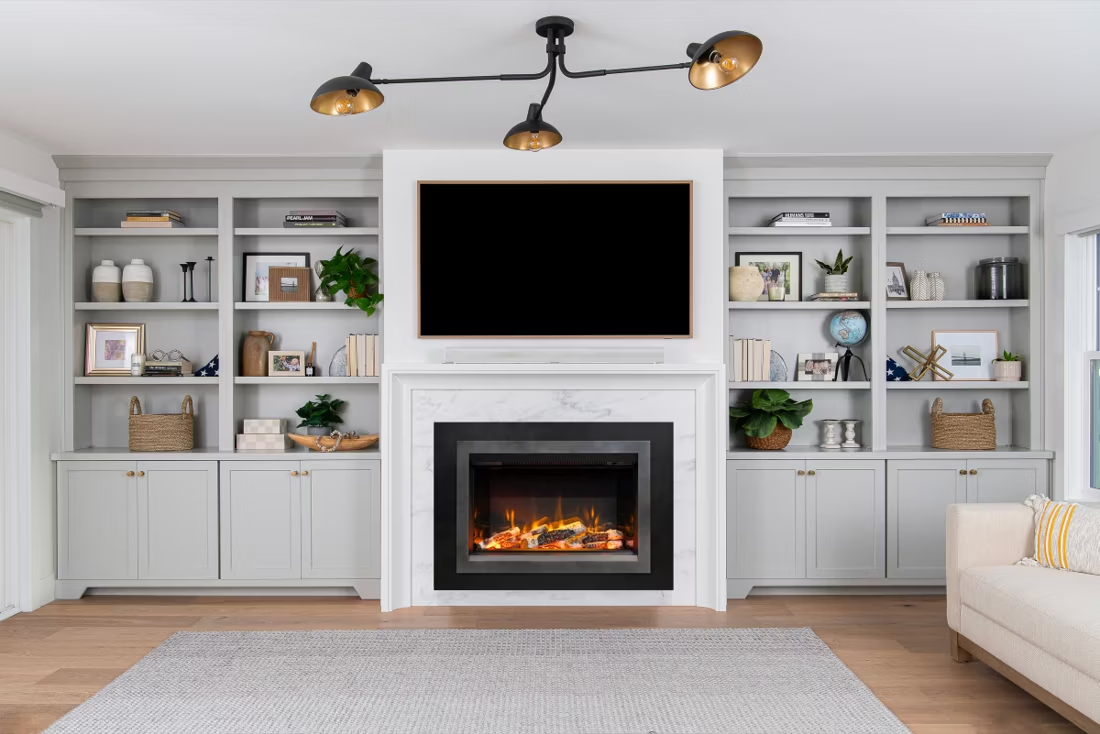
In Clyde River, electric is the practical choice, not the backup.
Clyde River is above the treeline, so there's no public fuelwood program and no cordwood to cut the way homeowners farther south might split birch or spruce. Natural gas service doesn't exist here either, and pellets aren't sold locally—freight alone pushes bagged pellets well above what southern Canadian buyers pay. Most homes heat primarily with fuel oil brought in by sealift, with power for everything else, including an electric fireplace, generated at the community's diesel plant and delivered through Qulliq Energy Corporation. That's the backdrop that makes electric the fuel people actually install for fireplace ambiance and supplemental heat in the main living space.
The tradeoff is the rate: at roughly $0.7494 per kilowatt-hour, running electric heat in Clyde River costs several times what it does in southern cities like Winnipeg or Ottawa. The Nunavut Electricity Subsidy Program offsets part of the first 700 to 1,000 kilowatt-hours a month for non-government households, which helps, but it's still worth sizing an electric fireplace as a zone-heat and ambiance unit rather than a whole-home solution. Because there's no hearth shop in Clyde River itself, the realistic path is connecting with the nearest trusted dealers—often based in Iqaluit or farther south—and planning delivery around sealift or air freight schedules rather than expecting next-week installation help.
Three steps. No salesperson until you're ready.
Tell us about your project
Your postal code, your situation, and the fuel you're leaning toward—or let the answers point you to one.
See what's actually available
The brands dealers within 100 miles genuinely carry—real options, never a catalog mirage.
Get your dealer & Project Guide
A trusted local dealer, plus the free Project Guide & Parts List that names every component of the job.
Frequently Asked Questions
How much does an electric fireplace cost to get installed in Clyde River?
Typical electric fireplace installs run $500 to $1,600 CAD in most of Canada, and that's still a reasonable starting point for the unit and basic wiring in Clyde River. What changes here is getting it north: air freight or a seasonal sealift booking adds real cost on top of that range, and if a dealer has to travel for any part of the project, factor in their time and travel as a separate line. Ask for a landed cost quote that includes shipping to Clyde River specifically, not a southern Canada price alone.
Why is electric the main fireplace option in Clyde River instead of wood, gas, or pellet?
Clyde River sits above the treeline, so there's no firewood to cut and no public fuelwood program the way there is in forested parts of Canada. There's no mains natural gas line into the hamlet, and pellets simply aren't stocked locally—anything shipped in carries freight costs well past what buyers pay in southern Canada. Electric, by contrast, just needs the wiring every home already has connected to the Qulliq Energy Corporation grid, which is why it's the fuel most homeowners here can actually plan around for fireplace heat and ambiance.
How much will an electric fireplace add to my power bill?
At Clyde River's residential rate of roughly $0.7494 per kilowatt-hour, a 1,500-watt electric fireplace running several hours a day adds a noticeable amount to a monthly bill compared to southern Canadian rates. The Nunavut Electricity Subsidy Program covers part of the first 700 to 1,000 kilowatt-hours for non-government households, so how much of that cost is cushioned depends on your overall household usage. Most homeowners here choose a unit with adjustable heat output and run it mainly for ambiance and supplemental warmth in one room, relying on the fuel oil furnace for whole-home heat.
Do I need a permit to install an electric fireplace in Clyde River?
Electric units skip the gas line and chimney work that trigger the heaviest permitting, but any new wiring or built-in installation still falls under the municipal or territorial building inspector's review, and the CSA B365 installation code is the standard reference for hearth appliances generally. A WETT inspection applies to wood-burning appliances for insurance purposes rather than electric units, so that step usually isn't relevant here—but it's worth confirming with your insurer regardless, since coverage rules can vary household to household.
Is there a hearth dealer in Clyde River, or do I need to go through someone farther away?
There's no hearth shop in Clyde River itself, so the realistic path is working with the nearest trusted dealers, often based in Iqaluit or farther south in Canada. We'll help you reach dealers who already handle projects shipping into the Qikiqtaaluk Region and understand sealift and air freight timelines, rather than treating this like a same-week local install. Call ahead early in your planning to confirm shipping windows before you commit to a model.
What size electric fireplace makes sense for a home this far north?
Given winter lows averaging -33°C, most households here treat an electric fireplace as supplemental heat and ambiance for one main room rather than a primary heat source—fuel oil carries the whole-home load. A unit in the 1,500-watt range (roughly 5,100 BTU) comfortably takes the edge off a living room or kitchen without putting unnecessary strain on a budget already shaped by Qulliq Energy Corporation's rate. A dealer can help size it against your room's actual insulation rather than square footage alone.
How far in advance should I plan an electric fireplace project in Clyde River?
Plan months ahead rather than weeks. If a unit and any shipped materials are coming by sealift, that's a narrow summer window once a year; air freight runs more often but at a higher cost per kilogram. Either way, confirm with your dealer early which shipping method they're using and build in buffer time, since weather and freight schedules in the Qikiqtaaluk Region can shift delivery dates without much notice.
How much maintenance does an electric fireplace need in a climate like this?
Very little compared to a wood or oil appliance—there's no chimney to sweep and no combustion byproducts to manage. The main things to keep an eye on are the wiring connections and the heating element, especially if the unit sees heavy daily use through Clyde River's long heating season. Like everything else in the house, an electric fireplace stops working during a power outage, so it's not a backup heat source if the diesel plant or your home's supply goes down—fuel oil heat or a battery-backed option would be the fallback for that scenario.
Does it ever make sense to look at gas or pellet instead of electric here?
Realistically, no—both are rare fits for Clyde River. There's no mains natural gas, so a gas fireplace would mean a propane setup with tanks shipped in and refilled on the same freight schedules that complicate everything else. Pellets aren't sold locally, and freight pushes the delivered price well above southern Canadian rates, which makes a pellet stove's ongoing fuel cost hard to justify. Electric, tied into the grid every home already has, remains the straightforward option for fireplace heat and ambiance in Clyde River.
Nearest Dealers
Hearth shops are few and far apart up north, so these are the closest ones to Clyde River, with how far each one is. Call ahead to ask about delivery and installation in your community. Every listing shows whether it is a WhyFire partner, a dealer we have verified as authorized for the brands we recommend, or a local business carrying hearth products. No manufacturer pays for placement. How we verify dealers →
McMunn & Yates
Propane Nord Cotier
Electric Service in Clyde River
An electric fireplace's heater draws about 1,500 watts—pennies per hour at local rates.
Qulliq Energy Corporation
Get your free Project Guide & Parts List for a Clyde River electric fireplace.
Tell us about your home and we'll help you reach the nearest trusted dealers who work with Qikiqtaaluk Region households, then send a free Project Guide & Parts List with the parts your project needs—plus guidance on freight timing so delivery doesn't catch you off guard.
Find Your Fireplace →