
Find your fireplace across Qikiqtaaluk Region.
From Iqaluit out to Pangnirtung, Pond Inlet, Cape Dorset, and the smaller communities along Baffin Island and the High Arctic, we help you reach the nearest trusted dealers who can plan a heating project built for diesel power, sealift schedules, and winters near minus 30°C.
Every Project Starts From One of These Five Situations
Winters averaging minus 29.9°C, in a region that sits entirely above the treeline.
Qikiqtaaluk Region stretches across Baffin Island and the High Arctic, linking roughly 16,124 people across communities with no road connections to each other or to southern Canada—Iqaluit, Pangnirtung, Pond Inlet, Cape Dorset (Kinngait), Arctic Bay, Clyde River, and the rest of the region's hamlets. Winters here average -29.9°C, placing the region in climate zone 8, the coldest classification used in Canada, with a heating season that runs most of the year. There is no public fuelwood program here for a simple reason: Qikiqtaaluk sits entirely above the treeline, so there are no forests to cut and no cordwood to gather. Any firewood that shows up in the region arrived by sealift or air freight, at a price that reflects the trip.
That geography shapes which fuels actually work here. Most homes heat primarily with fuel oil brought in once a year by sealift, and every community runs on its own diesel power plant—the Nunavut Electricity Subsidy Program covers part of the first 700 to 1,000 kWh a month for non-government households, which is one reason electric fireplaces and heaters are the fuel most homeowners here actually add to a room. Wood stoves, gas fireplaces, and pellet stoves are installed occasionally, but each comes with a real asterisk: wood means shipped-in cordwood and a CSA B365-compliant install with a WETT inspection for insurance, gas means a propane tank rather than mains service since there is no natural gas distribution anywhere in the region, and pellets aren't stocked by any local supplier, so a bag-by-bag habit isn't realistic. This hub rolls up what's genuinely available fuel by fuel, so you can plan around sealift timing and freight costs instead of being surprised by them.
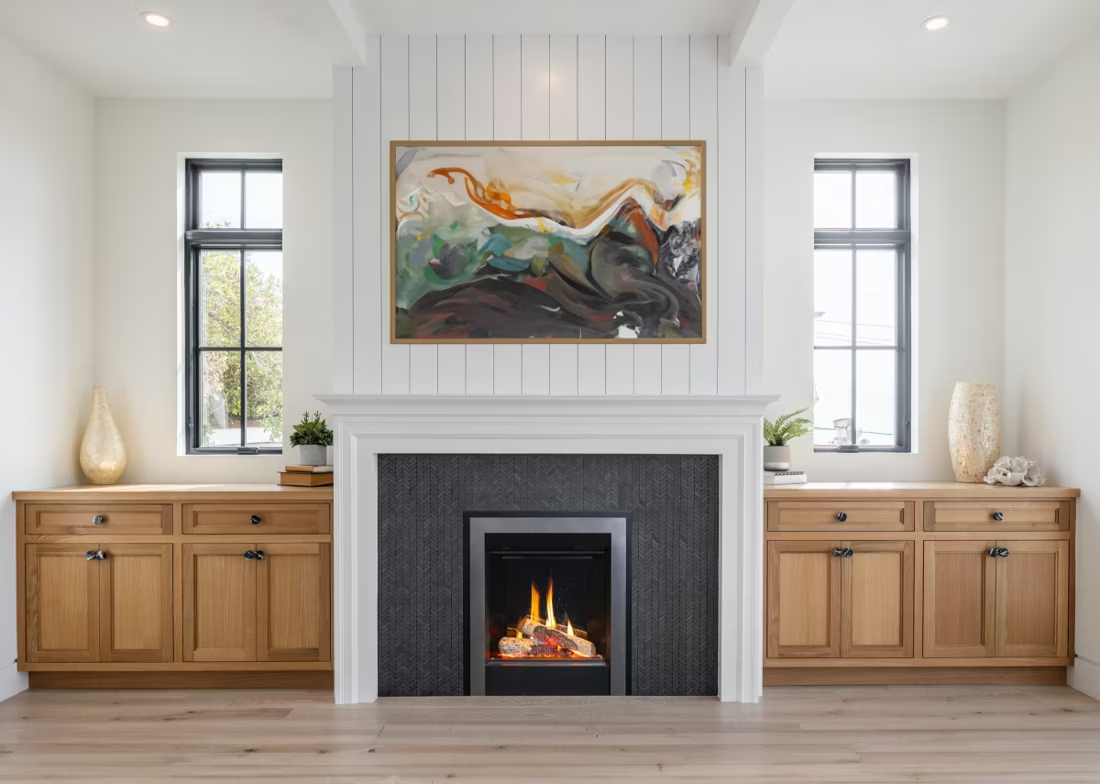
Four fuels. One honest answer for Qikiqtaaluk Region.
Wood
See what's available near Qikiqtaaluk Region.
Find your wood stove →Gas
See what's available near Qikiqtaaluk Region.
Find your gas fireplace →Pellet
See what's available near Qikiqtaaluk Region.
Find your pellet stove →Electric
See what's available near Qikiqtaaluk Region.
Find your electric fireplace →Three steps. No salesperson until you're ready.
Tell us about your project
Your postal code, your situation, and the fuel you're leaning toward—or let the answers point you to one.
See what's actually available
The brands dealers within 100 miles genuinely carry—real options, never a catalog mirage.
Get your dealer & Project Guide
A trusted local dealer, plus the free Project Guide & Parts List that names every component of the job.
Frequently Asked Questions
Which heating fuel actually makes sense for a home in Qikiqtaaluk Region?
Electric is the fuel most homeowners here actually add to a room, mainly because it plugs into power that's already running—every community in the region generates its own electricity from a diesel plant, and the Nunavut Electricity Subsidy Program covers part of the first 700 to 1,000 kWh a month for non-government homes, which softens the cost of running a fireplace insert or electric heater. Primary home heat is almost always fuel oil delivered once a year by sealift, not a hearth appliance. Wood, gas, and pellet fireplaces all exist in the region, but each is genuinely rare: there's no treeline here, so firewood has to be shipped in; there's no mains natural gas anywhere in Nunavut, so a 'gas fireplace' means a propane tank; and no supplier stocks pellets locally, so a pellet stove means arranging your own bulk freight. None of that makes them impossible—just worth planning around rather than assuming.
Can I actually install a wood stove in a community like Pangnirtung or Pond Inlet?
You can, but go in knowing the trade-offs. Qikiqtaaluk sits entirely above the treeline, so there's no public fuelwood program and no local cordwood—every piece of firewood a household burns arrived by sealift or air freight, which makes wood a backup or ambiance fuel here rather than a cost-saving one. Any wood appliance still has to meet the CSA B365 installation code, and most insurance providers will ask for a WETT inspection before they'll cover it. If you're set on wood heat, talk to a dealer about appliance efficiency and burn times up front, since you'll be paying for every log that comes off the boat.
Is there natural gas service anywhere in Qikiqtaaluk Region?
No. There is no mains natural gas distribution anywhere in Nunavut, including every community in this region. A 'gas fireplace' here runs on propane delivered by tank, which some households use for cooking or backup heat, but it's not common as a primary hearth fuel. If propane is what you're after, a dealer can help you size an appliance around tank delivery schedules rather than a gas line that simply doesn't exist up here.
Are pellet stoves a realistic option in a community like Iqaluit or Cape Dorset?
Realistically, not for most households. No pellet brand is stocked locally anywhere in the region, so running a pellet stove means arranging your own bulk order and freighting bags in yourself—by sealift if you plan a year ahead, or by air at a steep premium if you don't. A handful of homes do it, usually alongside a larger fuel oil heating system, but it's a commitment to your own supply chain more than a simple appliance purchase.
How much more does a hearth project cost once freight is factored in?
More than published Southern Canada price ranges suggest, and the gap mostly comes from freight and limited local labour rather than the appliance itself. Sealift scheduling means parts often have to be ordered a full season ahead, and anything that misses the shipping window goes by air at a much higher cost. A dealer who already works in the North can tell you what a specific project—an electric insert, a propane appliance, or a wood stove with a WETT-ready install—actually runs once freight and travel for a technician are built in, which is a better starting point than any generic estimate in CAD.
How do I even get a dealer to work on my home when there isn't one in my community?
That's exactly what we help with. Hearth retailers and technicians in the North typically serve several communities across the region rather than keeping a storefront in each one, so the first step is reaching the nearest dealer who already plans projects around sealift and freight rather than treating your community as an afterthought. Call ahead about delivery and installation timing before you commit to a fuel choice—sealift season and weather windows affect what can realistically arrive and when far more than they would in Southern Canada. Tell us about your home and we'll point you toward a dealer and a free Project Guide & Parts List built around your community's actual shipping and service realities.
Nearest Dealers
Hearth shops are few and far apart up north, so these are the closest ones to Qikiqtaaluk Region, with how far each one is. Call ahead to ask about delivery and installation in your community. Every listing shows whether it is a WhyFire partner, a dealer we have verified as authorized for the brands we recommend, or a local business carrying hearth products. No manufacturer pays for placement. How we verify dealers →
McMunn & Yates
Propane Nord Cotier
Benoit Vigneault
Reach the nearest dealer for your Qikiqtaaluk Region project.
Tell us about your home and your community, and we'll help you reach the nearest dealer and put together a free Project Guide & Parts List—the right appliance, the parts it needs, and a plan that accounts for sealift timing and freight before you order anything.
Find Your Fireplace →