
Cozy, instant heat for New Bern's coastal winters.
Ambiance and backup warmth for Craven County's mild, humid winters—find the right gas fireplace and connect with a trusted local dealer.
Every Project Starts From One of These Five Situations
Mild winters, real comfort—without tending a fire.
New Bern sits at the confluence of the Neuse and Trent Rivers at just 13 feet of elevation, in climate zone 3A. Winters here are mild by national standards—average lows hover around 34°F and the city has a heating season that's just a fraction of the length and intensity of what a place like Duluth, MN endures over a typical winter. That mild profile is exactly why wood stoves and pellet stoves are rare in New Bern: most homeowners aren't fighting sustained sub-zero cold, they're looking for supplemental warmth and the look of a real fire on the handful of genuinely cold nights each January and February.
Gas fills that role well. Because New Bern doesn't have widespread natural gas infrastructure documented across the city, propane is the standard fuel for most residential gas fireplace installations in Craven County—a local propane supplier handles tank placement and refills, and your installer sets up the appliance to run on it. In New Bern's historic downtown, where many homes date to the 1800s and sit within the local historic district, a direct-vent gas insert is a popular way to convert an existing masonry fireplace without altering the home's exterior character. And because coastal Carolina sees its share of hurricane-driven power outages, a battery-backed gas fireplace is one of the few heat sources that keeps working when Duke Energy Progress or Tideland Electric crews are still working through storm restoration.
Three steps. No salesperson until you're ready.
Tell us about your project
Your zip code, your situation, and the fuel you're leaning toward—or let the answers point you to one.
See what's actually available
The brands dealers within 100 miles genuinely carry—real options, never a catalog mirage.
Get your dealer & Project Guide
A trusted local dealer, plus the free Project Guide & Parts List that names every component of the job.
Frequently Asked Questions
How much does a gas fireplace installation cost in New Bern?
Most gas fireplace and insert installations in New Bern run in the $3,500 to $8,000 range, with the biggest cost swing driven by whether you're on propane or already have gas service to the house, and whether a propane tank needs to be installed or leased. A direct-vent insert going into an existing masonry fireplace with no new gas line run tends to land on the lower end. New construction, room additions, or installs requiring a fresh propane tank and buried line run higher. A local dealer will walk your home and give you a firm number.
Is my New Bern home on natural gas, or will I need propane?
It depends on where you're located. New Bern doesn't have citywide natural gas mains the way larger Piedmont cities do, so propane is the standard fuel for most gas fireplace installs in Craven County—including much of the historic downtown and the surrounding neighborhoods. If you already have natural gas appliances at your address, you're in one of the pockets with service and your installer can tie in directly. If not, a propane tank (owned or leased through a local supplier) is the normal setup, and most gas fireplace models install identically either way—it's just a different orifice and regulator.
Can I install a gas insert in my historic New Bern home's fireplace?
Yes, and it's one of the more common projects for the older homes near downtown and the Tryon Palace historic district. A direct-vent gas insert slides into your existing masonry firebox and vents through a stainless liner run up your existing chimney, so the exterior brick and mantel stay untouched. If your home falls within a locally designated historic overlay, check with the City of New Bern for any exterior appearance requirements before work begins—the insert itself is interior and rarely triggers historic review, but venting terminations sometimes do.
Will my gas fireplace still work if the power goes out?
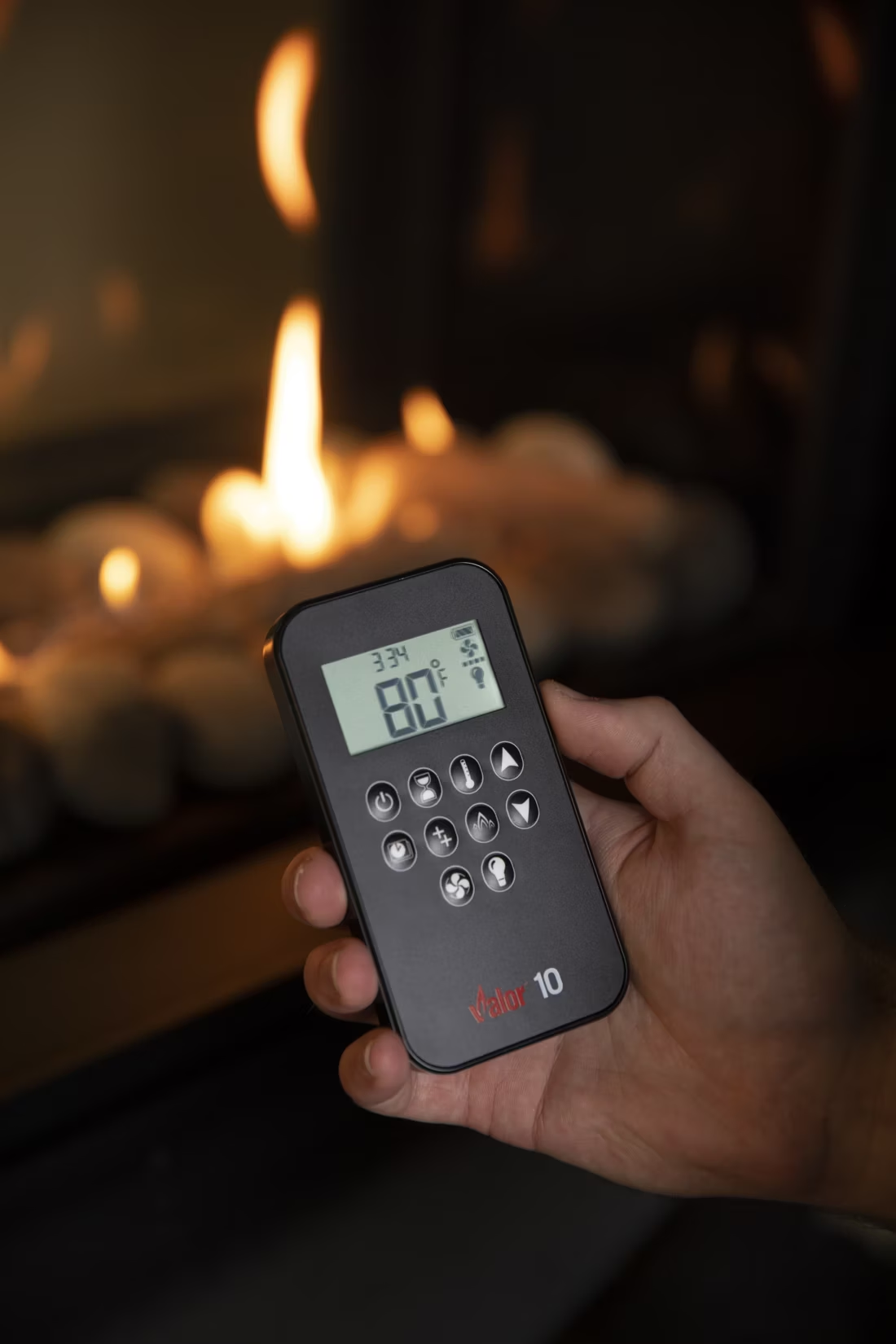
Most modern gas fireplaces will, which matters in a river city that sees its share of tropical storms and hurricane-driven outages. Units with IPI (intermittent pilot ignition) run on a small battery backup that kicks in automatically when the power drops, so the fireplace lights normally and keeps producing heat while Duke Energy Progress, Tideland Electric, or the City of New Bern's own utility crews work through storm restoration. Some Valor models go a step further and generate their own electricity from the pilot flame, so there's no battery to remember at all. Ask your dealer about the ignition system on any unit you're considering, especially if you're near the flood-prone areas along the Neuse or Trent.
What's the difference between a gas fireplace, insert, and stove?
A gas fireplace is a fully built-in unit framed into a wall—the right call for new construction or a remodel without an existing hearth. A gas insert drops into an existing masonry fireplace and uses the chimney (or a liner run through it) as the vent path, which is why it's the go-to choice for New Bern's older homes with existing fireplaces. A gas stove is a freestanding, cast-iron-style unit that sits on the floor on its own hearth pad and doesn't require an existing fireplace opening—a good option for a sunroom or addition where there's no chimney at all.
Do I need a permit to install a gas fireplace in New Bern?
Yes—a building permit and, for propane hookups, sign-off on the gas line work are both required, typically through the City of New Bern Inspections Department if you're inside city limits or Craven County Inspections if you're in the surrounding unincorporated area. Most established hearth dealers handle the permitting and inspection scheduling as part of the install price, which is one of the real advantages of working with a licensed local installer rather than a handyman: the gas line, venting, and clearances all get signed off together.
Should I get a vented or vent-free gas fireplace?
Vented (direct-vent) gas fireplaces draw combustion air from outside and exhaust it back outside through a sealed pipe—they're the standard choice and deliver real, sustained heat output. Vent-free units burn without any exterior venting and are legal in North Carolina under specific room-size and ventilation rules, but they release moisture and small amounts of combustion byproducts into the room, which is a real consideration in New Bern's already humid coastal air. For most homes here, a direct-vent unit is the more comfortable long-term choice, though vent-free can make sense for a small supplemental unit in a tightly sealed room. Talk through both with a local dealer before deciding.
How often does a gas fireplace need to be serviced in New Bern?
Plan on an annual inspection, ideally in early fall before the first cold snap. A technician checks the burner, pilot assembly, venting, and gas connections, and cleans the glass and interior. In New Bern's salt-air coastal environment, metal components—venting caps, screws, and the firebox itself—can corrode faster than they would inland, so it's worth mentioning to your technician if your home is close to the water. Most annual service visits run $150 to $250.
Gas or electric—which makes more sense for a New Bern home?
Given New Bern's mild winters, both are realistic options, and the right answer often comes down to convenience versus ambiance. Electric fireplaces and inserts cost far less upfront—often $500 to $2,000 installed—need no venting or gas line, and run on whichever provider serves your address (Duke Energy Progress, Tideland Electric Membership Corporation, or the City of New Bern's own utility, with rates that vary block to block). They're a clean, low-commitment way to add heat to a bedroom or sunroom. Gas costs more to install but delivers a more convincing flame and higher heat output, and—with battery backup—keeps running through hurricane-season power outages, which electric units can't do. For a primary living space where you want real ambiance, gas usually wins; for a secondary room or budget-driven project, electric holds up well.
Why is my open fireplace making my house colder?
Open fireplaces suck—literally. As the fire burns, it consumes air your furnace already paid to heat and pulls it out through the chimney, so the house is actually colder after the fire goes out than before you lit it. An insert fixes this: it seals the chimney, puts fixed glass across the front, and turns that hole in your house into a real heat source.
Is my gas fireplace wasting gas?
If it was installed more than 15 years ago, probably. Older gas fireplaces keep a standing pilot light burning all the time, and that little flame can cost a couple hundred dollars a year. Newer models use pilot-on-demand ignition—the pilot lights only when you use the fireplace and goes out when you turn it off.
What is an in-home preview and do I need one?
It's a visit where a hearth professional measures your space, confirms the model you picked actually works in your home, and walks the specs—framing, gas line, venting, finish work—before anything is ordered. Some details you just can't know until you see the house. Never make a down payment without one; it's the single most-skipped step that burns buyers.
Can I install a fireplace myself?
If you're putting a fire in your house on purpose, it's best to work with an expert. Unless you're genuinely experienced in framing, gas line, vent pipe, and the national code on clearances to combustibles, have a professional do it—and ideally the same company that sells you the fireplace, so warranty, service, and liability all live under one roof.
Nearby Dealers
Hearth shops serving New Bern and the surrounding area.
Find your gas fireplace in New Bern.
Tell us a bit about your home and we'll match you with a trusted local dealer and a free Project Guide & Parts List—sized, vented, and permitted right for your New Bern address.} {
Find Your Fireplace →