
Mountain Warmth Without the Woodpile.
Zone heat and real-flame ambiance for Asheville's historic bungalows, mountain cabins, and downtown condos—no chimney, no gas line, and no venting required for most installs.
Every Project Starts From One of These Five Situations
Supplemental warmth for a mild mountain climate.
Asheville sits at 2,120 feet in the Blue Ridge Mountains, in climate zone 4A with a moderate winter heating season and an average winter low of 29°F—mild compared to genuinely cold climates like Burlington, VT or Duluth, MN, where wood or gas often has to carry the full heating load all winter. That relative mildness is exactly why electric fireplaces have found a real niche here: as supplemental zone heat and ambiance in a single room, rather than a primary furnace replacement.
Much of the city falls under Duke Energy Progress or Duke Energy Carolinas territory, with French Broad Electric Membership Corporation covering rural pockets of Buncombe County toward Leicester, Barnardsville, and the Sandy Mush area. Residential rates run roughly 13.9 to 15.5 cents per kWh depending on your provider, which keeps the cost of running an electric insert or mantel unit for a few hours each evening modest—a real advantage for older Montford, Kenilworth, and Grove Park homes where retrofitting a masonry chimney or running a new gas line isn't always practical, or where a local historic district makes exterior work a hassle.
Three steps. No salesperson until you're ready.
Tell us about your project
Your zip code, your situation, and the fuel you're leaning toward—or let the answers point you to one.
See what's actually available
The brands dealers within 100 miles genuinely carry—real options, never a catalog mirage.
Get your dealer & Project Guide
A trusted local dealer, plus the free Project Guide & Parts List that names every component of the job.
Frequently Asked Questions
How much does it cost to install an electric fireplace in Asheville?
Cost depends heavily on the unit type. A plug-in electric insert that slides into an existing, non-working masonry firebox typically runs $300-$1,200 for the unit alone, with no electrician needed since it uses a standard household outlet. A built-in wall unit or mantel-surround package that needs a dedicated 120V or 240V circuit adds $500-$1,500 in electrician labor—older homes in Montford or Kenilworth with original knob-and-tube wiring sometimes need a panel upgrade that pushes costs higher. Full custom mantel packages with cabinetry run $2,000-$5,000 installed. Either way, most electric projects skip the venting, gas line, and chimney work that drives up wood and gas installs.
Do I need a permit for an electric fireplace in Asheville?
In most cases, no separate permit is needed to plug in a self-contained electric insert or freestanding unit—it's treated like any other appliance. If your installer needs to run a new dedicated circuit or upgrade your panel, that work requires an electrical permit through the City of Asheville Development Services Department inside city limits, or Buncombe County Permits & Inspections in unincorporated areas. A licensed electrician typically pulls that permit as part of the job, and it's a fast, inexpensive step compared to the building permits required for wood stoves or vented gas fireplaces.
Is an electric fireplace a good fit for Asheville's historic homes?
Often, yes. Many homes in Montford, Grove Park, and Kenilworth have original masonry fireboxes that no longer draw properly or were capped decades ago. An electric insert slides into that existing opening and restores the look of a working fireplace without touching the historic mantel, surround, or exterior chimney—which matters if your property sits inside a local historic district with design review requirements. Because there's no new venting or gas line, there's usually nothing to run past the Historic Resources Commission, though it's worth checking if your home is individually landmarked.
How much does it cost to run an electric fireplace in Asheville?
Most electric fireplaces draw about 1,500 watts on their heat setting, or 1.5 kWh per hour. At Duke Energy Carolinas' residential rate of roughly 13.9 cents per kWh, that's about 21 cents an hour; at Duke Energy Progress's 15.5 cents, closer to 23 cents an hour. French Broad Electric Membership Corporation customers in rural Buncombe County land in between at roughly 14.8 cents. Running the flame effect alone, without heat, draws only 30-50 watts—pennies a night—which is why many Asheville homeowners run theirs for ambiance most of the year and switch on heat only during the coldest stretches.
Electric vs. wood-burning—which makes more sense in Asheville?
Wood remains a strong option here—oak, hickory, maple, and pine are all common local species, and Nantahala-Pisgah National Forest issues personal-use cutting permits for about $20 per cord during the May-through-October season. Wood also keeps working during a power outage, which matters in mountain neighborhoods prone to ice-storm outages. Electric wins on convenience and historic-district-friendliness: no chimney, no ash, no wood storage, and no combustion byproducts to manage. For a primary heat source in an older farmhouse outside town, wood often wins; for ambiance and supplemental warmth in a condo, bungalow, or in-town historic home, electric is usually the simpler answer.
Electric vs. gas fireplace—which should I choose?
Gas fireplaces need a gas line and, in most cases, venting to the exterior—real work that adds cost and requires coordinating a licensed gas-fitter. Electric fireplaces need neither, which makes them the simpler retrofit for Asheville condos, apartments, and older homes without existing gas service nearby. What you give up is raw heat output: a gas insert can meaningfully warm a room on a cold morning in ways an electric unit generally can't. Given Asheville's relatively mild average winter low of 29°F, many homeowners find electric output sufficient for supplemental use, reserving whole-home heating for their central heat pump system.
Will an electric fireplace heat my whole room, or my whole house?
An electric fireplace is built for zone heating—typically enough to comfortably warm 400 to 1,000 square feet, depending on the unit's wattage, ceiling height, and insulation. It's not designed to replace a central heat pump system, which handles most whole-home heating across Asheville's climate zone 4A winters. Think of it as the unit you run in the room you're actually sitting in on a cold Blue Ridge evening, while the rest of the house stays on the central system set a bit lower.
How much maintenance does an electric fireplace need?
Very little. There's no chimney to sweep, no creosote to worry about, and no combustion byproducts—a real advantage over wood or gas units that need annual inspections from a certified sweep or gas technician. Occasional dusting of the heating element and vents, plus a check that the cord and outlet show no wear, covers most of it. That low-maintenance profile is part of why electric units are popular in downtown Asheville condos and rentals in the 28801 and 28803 zip codes, where HOA rules or lease terms often restrict wood-burning or gas installations entirely.
What type of electric fireplace is best for my Asheville home?
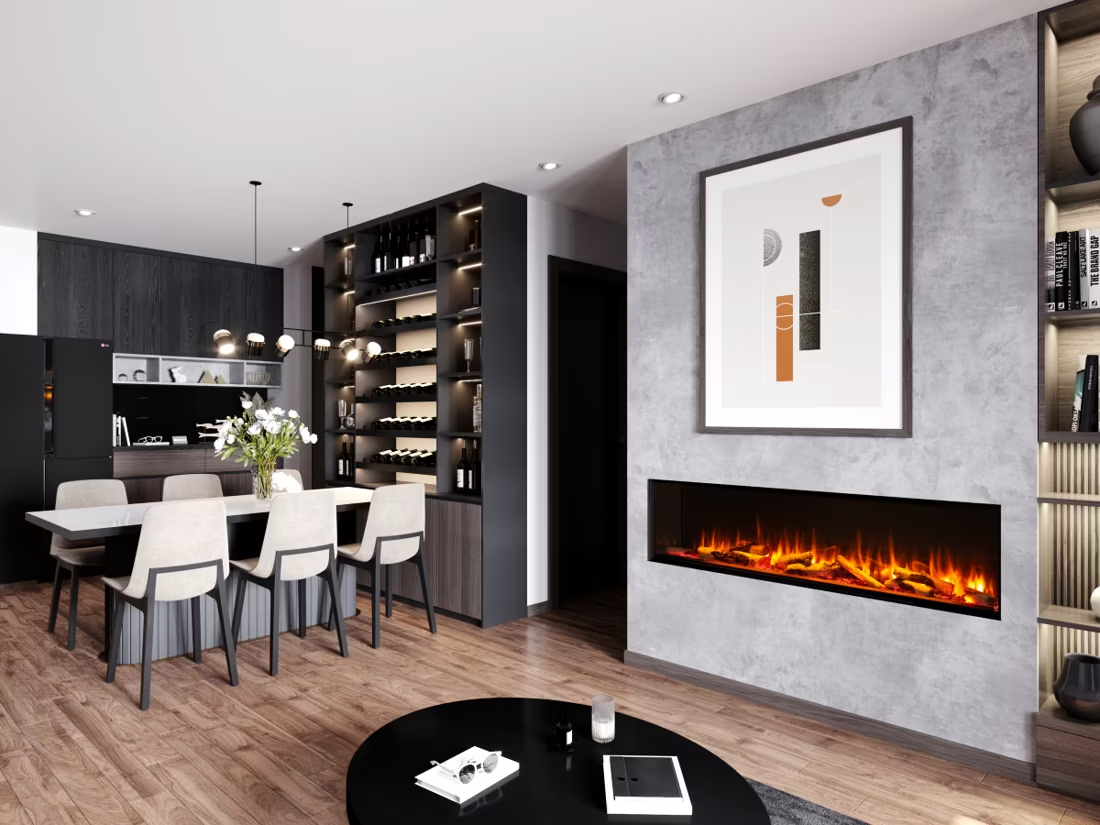
It depends on your space and goals. A recessed insert works well retrofitted into an existing masonry firebox in an older Montford or Grove Park home. A wall-mounted linear unit suits a modern downtown condo or new-construction living room. A mantel-surround package makes sense if you don't have an existing fireplace opening and want a furniture-style focal point. A local dealer familiar with Duke Energy and French Broad EMC service territories can walk through wattage, circuit needs, and placement during an in-home consultation before you buy.
Can I put a TV above my fireplace?
Yes—with an asterisk. Fireplaces are hot and TVs don't like heat. Either put a mantel between them to deflect rising warmth, or choose a fireplace with heat-management technology that creates a cool zone on the wall above—the wall stays around 125 degrees, barely warm, while the room still gets full heat. If you like clean lines and don't want a mantel, heat management is the answer.
Do electric fireplaces actually produce heat?
Yes—most put out around 4,800–5,000 BTUs from a standard outlet, which comfortably warms a bedroom, office, or den as a comfort-zone heater. What they won't do is carry a whole house the way wood, gas, or pellet can. Think of electric as ambiance-first with honest supplemental heat: flames on with no heat in July, flames plus warmth in January.
Can I install a fireplace myself?
If you're putting a fire in your house on purpose, it's best to work with an expert. Unless you're genuinely experienced in framing, gas line, vent pipe, and the national code on clearances to combustibles, have a professional do it—and ideally the same company that sells you the fireplace, so warranty, service, and liability all live under one roof.
What is an in-home preview and do I need one?
It's a visit where a hearth professional measures your space, confirms the model you picked actually works in your home, and walks the specs—framing, gas line, venting, finish work—before anything is ordered. Some details you just can't know until you see the house. Never make a down payment without one; it's the single most-skipped step that burns buyers.
Preferred Dealer in Asheville
Marked Preferred because they run on WhyFire's software—so they can show you real pricing and book your appointment right here. No manufacturer pays for placement. How we verify dealers →
Electric Service in Asheville
An electric fireplace's heater draws about 1,500 watts—pennies per hour at local rates.
Duke Energy Progress - (Nc)
Duke Energy Carolinas, LLC
French Broad Elec Member Corp
Find your electric fireplace in Asheville.
Tell us about your home and we'll match you with a trusted local Asheville dealer and send over a free Project Guide & Parts List—sized to your space and circuit, with the right unit and mounting hardware specified before you spend a dime.
Find Your Fireplace →