
Find the right electric fireplace for your Polk County home.
No chimney, no gas line, no venting—just plug-in or hardwired warmth for homes in Osceola, Shelby, Stromsburg, and Polk. Find the right unit and connect with a trusted local dealer.
Every Project Starts From One of These Five Situations
Zone heat that plugs in anywhere in Polk County.
Polk County is small—about 2,784 people spread across Osceola, Shelby, Stromsburg, and Polk, plus the farmland between them. The climate here is Zone 5A: cold, dry winters with sustained sub-freezing stretches and the occasional ice storm rolling through on the wind off the plains. A lot of the county's older farmhouses were built with wood heat in mind—oak, hickory, and cottonwood are the go-to species locally—and plenty of homes still lean on a wood stove for backup warmth when the weather turns bad.
Electric fireplaces fit a different, equally real need: a living room addition without a chimney, a finished basement, a mobile or manufactured home where running gas line or masonry isn't practical, or simply a homeowner who wants real-looking flame and supplemental warmth without dealing with wood or a gas hookup. Nebraska is the only state served entirely by public power districts, and Polk County's electric service runs through a local cooperative rather than an investor-owned utility—which matters mainly for one thing worth knowing upfront: a hardwired 240V electric fireplace draws real load, and it's worth having an electrician confirm your panel can handle it before you commit to a built-in unit.
Three steps. No salesperson until you're ready.
Tell us about your project
Your zip code, your situation, and the fuel you're leaning toward—or let the answers point you to one.
See what's actually available
The brands dealers within 100 miles genuinely carry—real options, never a catalog mirage.
Get your dealer & Project Guide
A trusted local dealer, plus the free Project Guide & Parts List that names every component of the job.
Frequently Asked Questions
How much does an electric fireplace installation cost in Polk County?
Plug-in units are the least expensive option—a freestanding or wall-mounted electric fireplace typically runs $300 to $1,200 installed, since most just need a standard outlet and a mounting bracket. A built-in electric fireplace or insert with a custom surround, recessed into a wall or existing fireplace opening, usually runs $1,500 to $4,000 once framing, trim work, and a dedicated 240V circuit are factored in. For older Polk County farmhouses with dated electrical panels—common in Osceola and the surrounding rural sections—expect the electrician's panel work to add to that total if the circuit isn't already there.
Do I need an electrician to install an electric fireplace?
For a plug-in unit, no—it runs off a standard 120V outlet like any appliance. For a built-in or insert model that requires a dedicated 240V circuit, yes, you'll want a licensed electrician to run the circuit and confirm your panel has the capacity. This is especially worth checking in Polk County's older housing stock—a lot of farmhouses around Shelby and Stromsburg still have original 100-amp panels that may need an upgrade before a hardwired unit goes in. A local hearth dealer can tell you which category your chosen model falls into before you buy.
Do I need a permit to install an electric fireplace in Polk County?
Plug-in units generally don't require a permit since no wiring or structural work is involved. A hardwired built-in unit that requires new electrical work typically does need an electrical permit, handled through the Polk County building and zoning office. Most licensed electricians pull this permit as part of the job, so it's not something you need to manage yourself—just confirm it's included when you get a quote.
What's the difference between a wall-mounted, insert, and built-in electric fireplace?
A wall-mounted electric fireplace hangs on the wall like a large flat-screen TV and plugs into a standard outlet—the easiest option for a rental, a finished basement, or a room without an existing fireplace. An electric insert is sized to slide into an existing masonry or wood-fireplace opening, letting you convert an old unused fireplace into working heat without touching the chimney. A built-in electric fireplace is framed into a wall or custom surround for a more permanent, flush look and usually requires that dedicated 240V circuit. For a lot of Polk County homes with an old, unused wood fireplace opening, an insert is the simplest upgrade.
Will an electric fireplace work during a power outage?
No—and this is the honest tradeoff to know going in. Electric fireplaces need grid power to run, so during an ice storm outage (not uncommon in Polk County winters), an electric unit goes dark along with everything else. If backup heat during outages is a priority, a wood stove burning local oak or hickory, or a propane unit, is the more reliable choice. A lot of homeowners here end up with both: an electric fireplace for everyday ambiance and easy zone heat, and a wood stove or propane heater as the fallback when the power's out.
Is an electric fireplace enough to heat a room in a Nebraska winter?
It depends on the room and how it's used. Most electric fireplaces are rated around 4,000-5,000 BTU on the heat setting—enough to noticeably warm a bedroom, den, or finished basement room in Polk County's Zone 5A winters, but not enough to serve as a home's primary heat source on the coldest days. Think of it as supplemental zone heat: it can let you turn the furnace down in the room you're using most, but it's not a substitute for your central heating system when temperatures drop into single digits.
Electric vs. wood—which is right for my Polk County home?
Wood, burning locally available oak, hickory, or cottonwood, offers real backup heat during outages and lower ongoing fuel costs if you have access to a woodlot, but it requires a chimney, regular cleaning, and hands-on tending. Electric offers instant on-off convenience, zero venting requirements, and works in additions or mobile homes where a chimney isn't an option—but it depends entirely on the grid and doesn't help when the power's out. A lot of long-time Polk County households keep a wood stove for winter reliability and add an electric unit in a second living space purely for convenience and ambiance.
Electric vs. propane fireplace—which makes more sense in Polk County?
Most of Polk County is outside natural gas service territory, so propane is the standard gas alternative here, typically supplied by a local propane provider with a tank on the property. Propane fireplaces put out real heat and can be configured to run during power outages with a battery-backup ignition system, which is a genuine advantage in ice-storm country. Electric fireplaces skip the tank, delivery, and venting entirely, but only work when the power's on. If backup heat matters to you, propane edges out electric; if simplicity and no fuel deliveries matter more, electric is the easier path.
What's the best electric fireplace for an older Polk County farmhouse?
For an older farmhouse with a disused wood-fireplace opening—common around Osceola and Stromsburg—an electric insert is usually the cleanest fit since it uses the existing opening without any venting work. For additions, mobile homes, or rooms with no fireplace at all, a wall-mounted or freestanding unit avoids any electrical work beyond a standard outlet. If you want a built-in look with a mantel and surround, plan for an electrician to confirm your panel can support the dedicated circuit—a detail that trips up more than a few older Polk County homes. A local dealer can walk your specific room and recommend the right fit.
Can I put a TV above my fireplace?
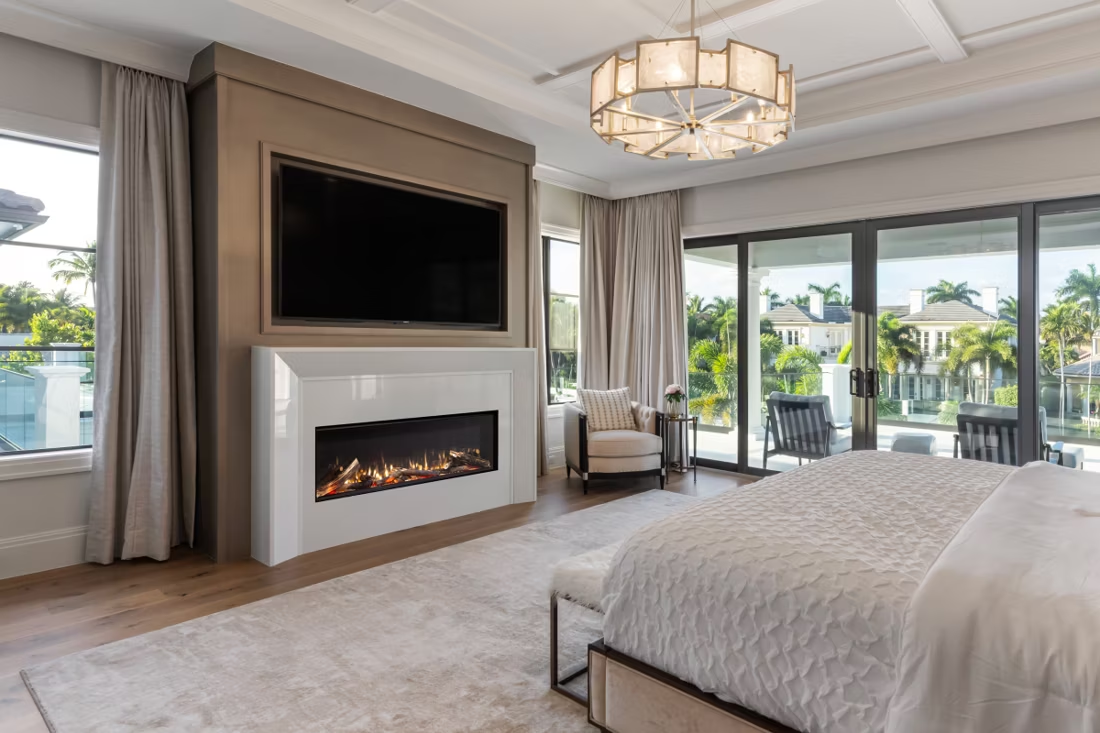
Yes—with an asterisk. Fireplaces are hot and TVs don't like heat. Either put a mantel between them to deflect rising warmth, or choose a fireplace with heat-management technology that creates a cool zone on the wall above—the wall stays around 125 degrees, barely warm, while the room still gets full heat. If you like clean lines and don't want a mantel, heat management is the answer.
Does an electric fireplace need a vent or chimney?
No—that's its superpower. An electric fireplace needs a wall and an outlet, period. No vent pipe, no gas line, no clearances to design around, which is why it works in bedrooms, offices, apartments, and walls where venting a gas or wood unit would be impractical or impossible. Installation is typically the simplest and least expensive of any fireplace type.
Can I install a fireplace myself?
If you're putting a fire in your house on purpose, it's best to work with an expert. Unless you're genuinely experienced in framing, gas line, vent pipe, and the national code on clearances to combustibles, have a professional do it—and ideally the same company that sells you the fireplace, so warranty, service, and liability all live under one roof.
What is an in-home preview and do I need one?
It's a visit where a hearth professional measures your space, confirms the model you picked actually works in your home, and walks the specs—framing, gas line, venting, finish work—before anything is ordered. Some details you just can't know until you see the house. Never make a down payment without one; it's the single most-skipped step that burns buyers.
Find your electric fireplace in Polk County.
Tell us a bit about your home and we'll match you with the right electric fireplace, insert, or built-in unit, plus a free Project Guide & Parts List—the parts you need and a trusted local Polk County dealer to install them.
Find Your Fireplace →