
Find the right electric fireplace for your Livingston County home.
No gas line, no chimney, no venting—just plug-in warmth for homes across Chillicothe, Chula, Utica, and the rest of Livingston County. Find the right unit and connect with a trusted local dealer.
Every Project Starts From One of These Five Situations
Zone heat that installs in an afternoon.
Livingston County sits in climate zone 5A, with a heating season on par with places like Peoria or Springfield and average winter lows around 16°F—a real Midwest winter, though nowhere near the sustained sub-zero stretches of Fargo or Bismarck. That combination makes electric fireplaces a genuinely practical fit here, not just a decorative add-on. A lot of Chillicothe homeowners use an electric insert or wall unit to take the edge off a bedroom, sunroom, or finished basement without running new gas line or building out a masonry chimney.
Because there's no combustion involved, there's also no venting to plan for and no permit headaches tied to flue clearances—a big part of why electric installs in Livingston County typically wrap up in a single visit. That said, electric heat runs on the local grid, so it depends on the reliability of area electric service; most homeowners here pair it with a wood or gas appliance elsewhere in the house for backup heat during winter storms rather than treating it as the sole heat source.
Three steps. No salesperson until you're ready.
Tell us about your project
Your zip code, your situation, and the fuel you're leaning toward—or let the answers point you to one.
See what's actually available
The brands dealers within 100 miles genuinely carry—real options, never a catalog mirage.
Get your dealer & Project Guide
A trusted local dealer, plus the free Project Guide & Parts List that names every component of the job.
Frequently Asked Questions
How much does an electric fireplace installation cost in Livingston County?
Electric fireplace installs in Livingston County typically run $400 to $1,200, which is well below wood, gas, or pellet installations because there's no venting, chimney, or gas line work involved. The lower end covers a plug-in insert dropped into an existing fireplace opening or a wall-mounted unit hung on existing framing. The higher end covers built-in models that require a dedicated electrical circuit or minor wall/trim carpentry to get a flush, custom look. A local dealer can tell you in one visit which category your project falls into.
Do I need a permit to install an electric fireplace in Livingston County?
Most plug-in electric fireplaces and inserts don't require a permit since there's no venting or gas work involved—you're essentially installing an appliance. If your project involves adding a new dedicated electrical circuit, an electrician will typically pull an electrical permit as part of that work. Either way, the process is far simpler than the building permits required for wood or gas installations, and most local dealers can tell you upfront whether your specific project needs one.
Will an electric fireplace actually heat a room in Livingston County's winters?
A quality electric insert or freestanding unit can comfortably heat a single room—a bedroom, den, or basement family room—even on the colder nights Livingston County sees, when lows average around 16°F. Most units put out 4,000-5,000 BTUs, which is enough for supplemental or zone heat in a well-insulated space, but they're not designed to replace a central furnace or a whole-home wood or gas system during a hard winter cold snap. Think of electric as targeted comfort for the room you're actually sitting in, not a substitute for your primary heat source.
What's the difference between an electric fireplace, insert, and wall-mount unit?
An electric insert is built to slide into an existing masonry fireplace opening, giving an old wood-burning fireplace a second life without any chimney work. A built-in electric fireplace is designed to be framed into a wall during a remodel, similar to how a gas fireplace would be installed. A wall-mount unit hangs directly on the wall like a flat-screen TV and needs only a standard outlet nearby. For most Livingston County homes with an existing but unused fireplace, an insert is the simplest upgrade; for a new room or basement build-out, wall-mount or built-in models tend to fit better.
Can an electric fireplace run during a power outage?
No—electric fireplaces are entirely dependent on grid power, so they'll shut off the moment the power goes out. This is the main tradeoff against wood or gas heat for Livingston County homeowners: electric is the easiest and cheapest to install, but it offers zero backup capability during the ice storms and winter outages that occasionally hit this part of Missouri. Many local homeowners pair an electric unit in a secondary room with a wood stove or gas fireplace elsewhere in the house specifically so they have heat if the power drops.
How does an electric fireplace compare to wood heat in Livingston County?
Livingston County has a genuine wood-heating tradition, with plenty of oak, hickory, walnut, and maple available locally for firewood. Wood stoves put out real radiant heat and keep working through a power outage, but they require chimney maintenance, wood handling, and a bigger upfront installation. Electric fireplaces cost a fraction to install, need no maintenance beyond basic dusting, and turn on and off instantly—but they contribute nothing during an outage and are best suited to supplemental heat in one room rather than heating a whole house. Many homes here run both: wood or a pellet stove as the workhorse, electric for ambiance and quick heat in a bedroom or den.
Are electric fireplaces expensive to run?
Running costs depend on your local electric rate and how many hours a day you use the unit, but a typical 1,500-watt electric fireplace costs roughly 15 to 25 cents an hour to run at full heat output in most Missouri electric rate territories. Used for a few hours a day to take the chill off a bedroom or den, that adds up to a modest amount on a monthly bill—far less than running central heat to warm a whole house for the same comfort in one room. It's one of the reasons electric fireplaces are popular as a supplemental option in Livingston County rather than a primary heat source.
Do electric fireplaces need any maintenance?
Very little. There's no chimney to sweep, no gas lines to inspect, and no ash to clean out. Most maintenance is limited to occasionally dusting the unit, replacing an LED light module after years of use, and checking that the internal fan isn't clogged with dust or pet hair. This low-maintenance profile is a big part of why electric fireplaces work well in Livingston County rental properties, finished basements, and secondary living spaces where nobody wants to deal with annual chimney inspections.
Electric vs. gas—which is right for my Livingston County home?
Gas fireplaces put out more real heat, can be sized to warm a larger living area, and (with the right ignition system) can keep running during a power outage—but they cost more to install and require gas line work or a propane setup. Electric fireplaces install in a fraction of the time for a fraction of the cost, with zero venting or gas work, but they're strictly grid-dependent and better suited to single-room heating than whole-area comfort. For a primary living room in Livingston County where you want real warmth on a cold night, gas is usually the better long-term choice. For a bedroom, basement, or secondary space where convenience and low upfront cost matter more, electric is often the simpler answer.
Can I put a TV above my fireplace?
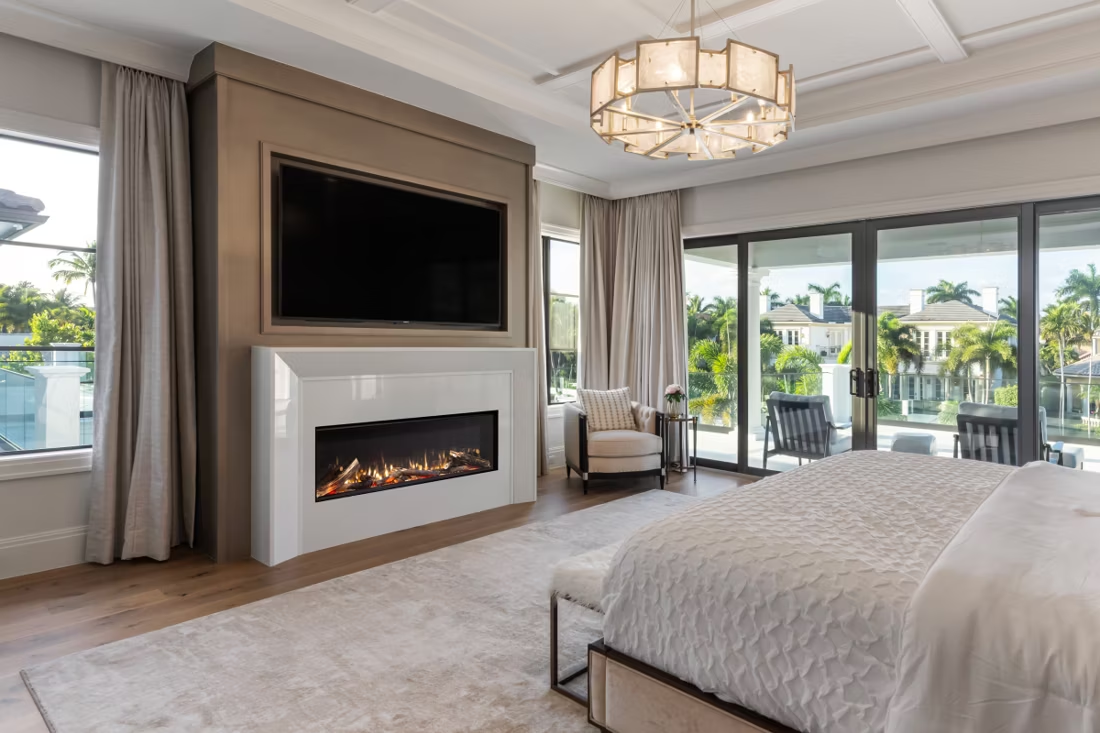
Yes—with an asterisk. Fireplaces are hot and TVs don't like heat. Either put a mantel between them to deflect rising warmth, or choose a fireplace with heat-management technology that creates a cool zone on the wall above—the wall stays around 125 degrees, barely warm, while the room still gets full heat. If you like clean lines and don't want a mantel, heat management is the answer.
Does an electric fireplace need a vent or chimney?
No—that's its superpower. An electric fireplace needs a wall and an outlet, period. No vent pipe, no gas line, no clearances to design around, which is why it works in bedrooms, offices, apartments, and walls where venting a gas or wood unit would be impractical or impossible. Installation is typically the simplest and least expensive of any fireplace type.
Does a fireplace add value to my home?
On average, a fireplace adds back to the home about the same amount you spent installing it. Add the monthly savings from heating the rooms you actually use instead of the whole house—often hundreds of dollars a year—and the value case is strong before you even count what a fire does for how your family uses the room.
How much should I budget for a fireplace?
For an average home—covering the fireplace, the vent pipe, and basic installation—a budget between $3,900 and $5,500 gives you a lot of options across wood, gas, and pellet. By the time you add finish work, gas line, and electrical, the average complete installation lands between $5,000 and $12,000 all-in. In a remodel or new build, a good rule is to put about 2.5% of the total project cost toward the fireplace.
Find your electric fireplace in Livingston County.
Tell us a bit about your home and we'll match you with the right electric fireplace or insert, plus a free Project Guide & Parts List from a trusted local dealer.
Find Your Fireplace →