
Pellet Heat in Minneapolis: A Specialty, Not the Standard.
Minneapolis winters are brutal enough to justify almost any heat source, but pellet stoves remain a small niche here. We'll help you figure out if one still fits your home, and connect you with a dealer who actually installs them.
Every Project Starts From One of These Five Situations
Natural gas, not pellets, heats most of the city.
Minneapolis sits in climate zone 6A with a long, demanding heating season and an average winter low around 8°F—cold enough to rival Duluth or International Falls for stretches of January. That kind of cold usually pushes homeowners toward every heat source available, but in Minneapolis, pellet stoves never became a mainstream category the way they have in more rural, wood-dependent parts of the Upper Midwest.
Part of that comes down to infrastructure: the Twin Cities metro is threaded with piped natural gas service reaching nearly every neighborhood from Northeast to Uptown, so most homes already have an automatic, low-maintenance whole-house heat source built in. Pellet stoves require hopper storage, bagged fuel delivery or pickup, and a dedicated venting run—practical in a rural cabin with a garage full of pellet bags, less practical in a Minneapolis duplex or a home with a small basement. That said, a smaller number of single-family homeowners here do install pellet stoves—usually for supplemental zone heat, backup warmth during outages, or the ambiance of a real flame without full wood-burning upkeep. Regional pellet brands like Indeck Energy Services, Lignetics, and Somerset Pellet Fuel supply the Upper Midwest market, so fuel sourcing isn't the obstacle—the obstacle is finding a dealer who installs and services these units regularly.
Three steps. No salesperson until you're ready.
Tell us about your project
Your zip code, your situation, and the fuel you're leaning toward—or let the answers point you to one.
See what's actually available
The brands dealers within 100 miles genuinely carry—real options, never a catalog mirage.
Get your dealer & Project Guide
A trusted local dealer, plus the free Project Guide & Parts List that names every component of the job.
Frequently Asked Questions
Are pellet stoves actually common in Minneapolis?
No—pellet stoves are a niche choice here, not a default. Most Minneapolis homes already have piped natural gas reaching the property, which makes a gas furnace or gas fireplace the far more typical heating upgrade. Pellet stoves show up in a smaller subset of homes, usually where someone wants supplemental heat in a specific room, a hedge against power or gas outages, or simply likes the low-maintenance, real-flame appeal pellets offer over cordwood. If you're set on pellet, it's absolutely installable here—you'll just be working with a smaller pool of dealers than you would for gas.
Why isn't pellet fuel a bigger category in Minneapolis specifically?
A few things stack up against it. Minneapolis is a dense, gas-served city—most lots are small, many homes are duplexes or have limited basement space for hopper storage and bagged pellet fuel, and there isn't the same self-sufficient rural heating culture you'd find in, say, the Iron Range or a Duluth-area cabin community. Pellets also need to be purchased and stored by the ton or by the bag, which is a bigger ask in an urban setting than flipping a thermostat connected to the gas main already running to your house. None of that makes pellet stoves impractical—it just explains why the retail and installer network for them is thinner here than for gas appliances.
What does a pellet stove installation cost in Minneapolis?
Because pellet installers are less common here than gas or electric specialists, pricing varies more by dealer than in bigger pellet markets. As a general range, expect somewhere between $3,500 and $7,500 for a freestanding pellet stove with proper venting, depending on the unit, whether you need a new vent penetration through an exterior wall, and any electrical work for the auger and blower circuit. Get quotes from at least two dealers if you can find them—with fewer pellet specialists in the metro, pricing consistency is lower than for more common fuel types.
Where do I buy pellet fuel in the Twin Cities?
Regional pellet producers serving the Upper Midwest—including Indeck Energy Services, Lignetics, and Somerset Pellet Fuel—supply bagged hardwood and softwood pellets that are typically stocked at farm supply stores, hardware chains, and some hearth retailers around the metro. Because pellet stoves are less common in Minneapolis than in more rural parts of Minnesota, availability can be seasonal—stocking up in early fall before cold weather hits is a good habit, since some retailers sell through their pellet inventory by midwinter.
Will a pellet stove keep working during a power outage?
Not without help. Pellet stoves rely on an electric auger to feed fuel and a blower to distribute heat, so a standard unit stops running the moment power drops—a real consideration in a city where Northern States Power (Xcel Energy) service can go down during ice storms or high-wind events. Some pellet stove models offer a battery backup option that keeps the auger and igniter running for several hours, and a small inverter generator can extend that further. If backup heat during outages is your main reason for considering pellet, a wood-burning appliance or a battery-backed gas unit may actually serve that goal better—worth discussing with a local dealer before you commit.
What size pellet stove do I need for a Minneapolis home?
Given the area's long, demanding heating season and average winter lows around 8°F, sizing matters more here than in milder climates. A small pellet stove (under 1,500 sq ft) suits a single room or a smaller bungalow common in South Minneapolis. A medium unit (1,500–2,200 sq ft) covers most of the city's classic two-story homes if it's serving as supplemental heat rather than the sole source. Very few homeowners here run pellet as their only heat source given how cold the winters run—most pair it with the home's existing gas furnace and use the stove for zone heating or backup. A local dealer can size the unit properly during an in-home visit.
Pellet vs. gas—which makes more sense for my Minneapolis home?
For most homes here, gas wins on convenience: it's already piped to the house, requires no fuel storage, runs on a thermostat, and needs only an annual service check. Pellet offers a real visible flame, doesn't rely on the gas grid, and can run on a fuel you can buy and store independently—appealing if you want a hedge against gas price swings or simply prefer the ambiance. Given how uncommon pellet installations are in Minneapolis relative to gas, most homeowners choosing pellet here are doing it as a second, supplemental heat source rather than a primary replacement for their furnace.
Do I need a permit to install a pellet stove in Minneapolis?
Yes—a mechanical or building permit is typically required for a new solid-fuel appliance installation within city limits, handled through the City of Minneapolis's building permit and inspections process. The permit review confirms proper venting, clearances to combustibles, and hearth pad requirements. Most established hearth dealers who install pellet stoves in the metro will pull this permit as part of the job, which is one more reason to work with a dealer experienced in pellet-specific installs rather than a general contractor.
Is maintaining a pellet stove different from maintaining a wood stove?
Yes, and generally easier. Pellet stoves burn more completely and produce far less creosote than cordwood, so the fire-safety risk that drives annual wood-stove chimney sweeps is lower. That said, pellet units still need regular ash removal from the burn pot, periodic cleaning of the hopper and auger mechanism, and an annual inspection of the exhaust venting and blower components. Because pellet-specific technicians are less common in Minneapolis than wood or gas service providers, it's worth confirming with your installer upfront whether they also handle ongoing maintenance and service calls.
How often does a pellet stove need cleaning?
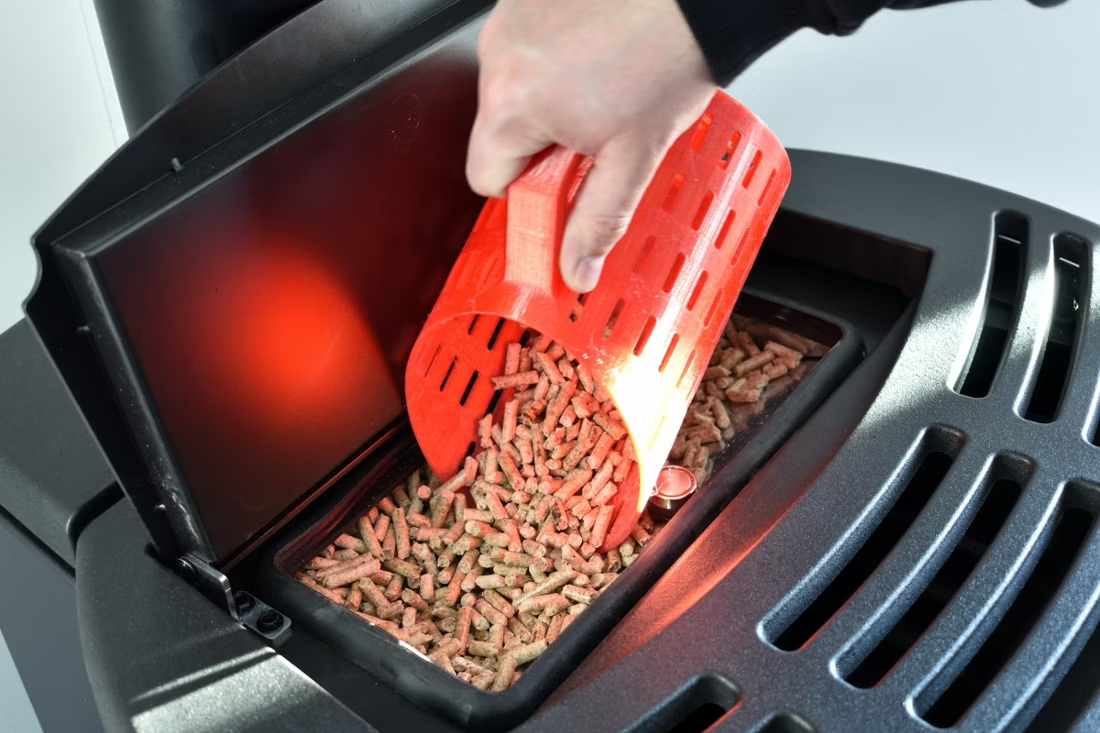
A clean pellet stove is a happy pellet stove. Plan on cleaning the burn pot about once a week when you're burning regularly—ash and clinkers gum up the air holes just like a pellet barbecue. Most pellet stove problems trace back to skipped cleaning that nobody explained up front. Some designs make it easy with a trapdoor burn pot: pull a lever and the gunk drops into the ash pan.
What does it take to replace an existing fireplace?
Fireplaces are like icebergs—bigger behind the wall than in front of it. Replacement means removing the surrounding tile or stone (the finish material laps onto the fireplace face), pulling the old unit, setting the new one in the same enclosure, and re-finishing the wall. A hearth professional can determine what's behind your wall without demolition during an in-home preview.
Can I install a fireplace myself?
If you're putting a fire in your house on purpose, it's best to work with an expert. Unless you're genuinely experienced in framing, gas line, vent pipe, and the national code on clearances to combustibles, have a professional do it—and ideally the same company that sells you the fireplace, so warranty, service, and liability all live under one roof.
Can a fireplace actually lower my heating bill?
Yes—by creating a comfort zone. A furnace heats every square foot of the house just to warm the one room you're in; a gas fireplace on low burns roughly a sixth of the gas a typical furnace does. Set the furnace around 55–60 degrees as a baseline, then heat the rooms your family actually uses. Families who heat this way commonly save $20–$60 a month.
Nearby Dealers
Hearth shops serving Minneapolis and the surrounding area. Every listing shows whether it is a WhyFire partner, a dealer we have verified as authorized for the brands we recommend, or a local business carrying hearth products. No manufacturer pays for placement. How we verify dealers →
Fireside Hearth & Home - Roseville
Ferguson Enterprises
Fireside Hearth & Home - Minnetonka
Pure Design Environments
Fireside Hearth & Home - Eagan
Fireside Hearth & Home - Eden Prairie
Condor Fireplace & Stone
Minnesota Gas Grills & Fireplaces
Custom Fireplace & Chimney Care
Fireside Hearth & Home - Maple Grove
The Chimney Pro’s Mn
Glowing Hearth & Home - Coon Rapids
Fireplace Gallery, Inc.
Timberwall
Pellet Brands Stocked Around Minneapolis
Manufacturers will point you to the nearest stocking dealer.
Find your pellet heating fit in Minneapolis.
Tell us about your home and heating goals, and we'll match you with a local dealer experienced in pellet installations—plus a free Project Guide & Parts List covering the exact venting kit and parts your Minneapolis pellet project needs.itting Curious If Pellet Fits Your Home?
Find Your Fireplace →