
Real Ambiance, No Chimney Required in Aspen Hill.
From Leisure World condos to split-levels off Connecticut Avenue, electric fireplaces bring heat and flame effect to Aspen Hill homes without venting, gas lines, or masonry work. Get matched with a trusted local dealer.
Every Project Starts From One of These Five Situations
Built for condos, townhomes, and finished basements.
Aspen Hill is a dense, largely unincorporated stretch of Montgomery County packed with garden apartments, townhome clusters, and split-level and rambler-style single-family homes built mostly from the 1950s through the 1970s. Many of these units either never had a masonry chimney to begin with or sit inside condo associations and rental buildings where adding one isn't an option. That's exactly the gap electric fireplaces fill—a wall-mounted unit, a mantel insert, or a retrofit into an existing zero-clearance firebox delivers real flame effect and supplemental heat without touching the building's venting or gas infrastructure.
Winters here are moderate by national standards—average lows around 27°F and a winter heating load moderate enough to be nowhere near the deep-freeze territory of Duluth or Fargo—so an electric unit's 1,500-watt heater is realistically sized as zone heat for a single room rather than a whole-house furnace replacement. Power comes from Pepco (Potomac Electric Power Co) at a residential rate around $0.1874 per kWh, which puts running a typical electric insert at full heat output at roughly 25 to 30 cents an hour. For Aspen Hill homeowners who want ambiance in a basement rec room, heat in a condo where solid fuel isn't permitted, or a simple upgrade to a rental property, electric is usually the most practical and least restricted option on the table.
Three steps. No salesperson until you're ready.
Tell us about your project
Your zip code, your situation, and the fuel you're leaning toward—or let the answers point you to one.
See what's actually available
The brands dealers within 100 miles genuinely carry—real options, never a catalog mirage.
Get your dealer & Project Guide
A trusted local dealer, plus the free Project Guide & Parts List that names every component of the job.
Frequently Asked Questions
How much does an electric fireplace installation cost in Aspen Hill?
A plug-in electric insert or mantel unit that runs off a standard 120-volt outlet typically costs $150 to $1,500 installed, since there's no venting or gas line to run—often just a matter of setting the unit and plugging it in. A built-in wall-mounted or linear electric fireplace that needs a dedicated 20-amp circuit runs higher, generally $1,500 to $4,000, once you factor in a licensed electrician to run new wiring—common in Aspen Hill's older split-levels and ramblers where the existing panel wasn't built for a hardwired appliance. Local dealers can tell you within a few minutes of looking at your panel and wall which category your project falls into.
Do I need a permit to install an electric fireplace in Aspen Hill?
A plug-in electric fireplace that uses an existing outlet generally doesn't require a permit. If you're installing a hardwired, built-in unit that needs a new dedicated circuit, Montgomery County requires an electrical permit through the Department of Permitting Services, and the wiring itself needs to be done by a licensed electrician. This is one of the few places where cutting corners is a real risk—an undersized or improperly wired circuit for a heat-producing appliance is a fire hazard, not just a code technicality.
Will my electric fireplace work during a power outage?
No—and this is the trade-off worth knowing upfront. Aspen Hill sees Pepco outages during summer thunderstorms and the occasional winter ice event, and an electric fireplace, unlike a wood stove, goes completely dark when the grid does. If backup heat during outages matters to you, some households pair an electric unit for everyday convenience with a portable generator, or consider that a gas fireplace (also common in this area) can be configured with a battery-backed ignition system that keeps working when the power drops.
How much space can an electric fireplace actually heat?
Most electric fireplace inserts put out around 5,000 BTU from a 1,500-watt heating element, which comfortably supplements a single room in the 300- to 600-square-foot range—think a family room, finished basement, or primary bedroom. Given Aspen Hill's relatively mild winter lows in the high 20s, that's usually plenty to take the chill off a room without leaning on the central furnace, but it isn't sized to replace whole-house heat. Larger linear units rated higher can stretch further; a local dealer will size the unit to your specific room.
What does it cost to run an electric fireplace in Aspen Hill?
At Pepco's residential rate of roughly $0.1874 per kWh, a 1,500-watt electric fireplace running on full heat costs about 28 cents an hour, or a little under $7 for a full 24 hours of continuous use. Most households run the heater intermittently and use flame-only mode (which draws only a few watts) the rest of the time, so realistic monthly costs for regular evening use land closer to $10 to $25. That's meaningfully cheaper to operate than a gas fireplace's standing pilot, though it doesn't offset your central heating bill the way a wood or gas unit sized for whole-room heat can.
Electric vs. gas fireplace—which is right for my Aspen Hill home?
Gas fireplaces are also common in Aspen Hill, especially in homes already piped for natural gas, and they put out real heat with an authentic flame using a proper vented system. Electric fireplaces skip the gas line and venting entirely, which makes them the default choice for condos, rental units, and HOA buildings where solid fuel and open combustion aren't permitted at all. If your home already has a gas line and you want a primary heat source with the classic gas-flame look, gas is worth pricing out through a local dealer. If you're in a condo, a rental, or you just want low-maintenance ambiance without touching the building's systems, electric is the simpler path.
What types of electric fireplaces are available?
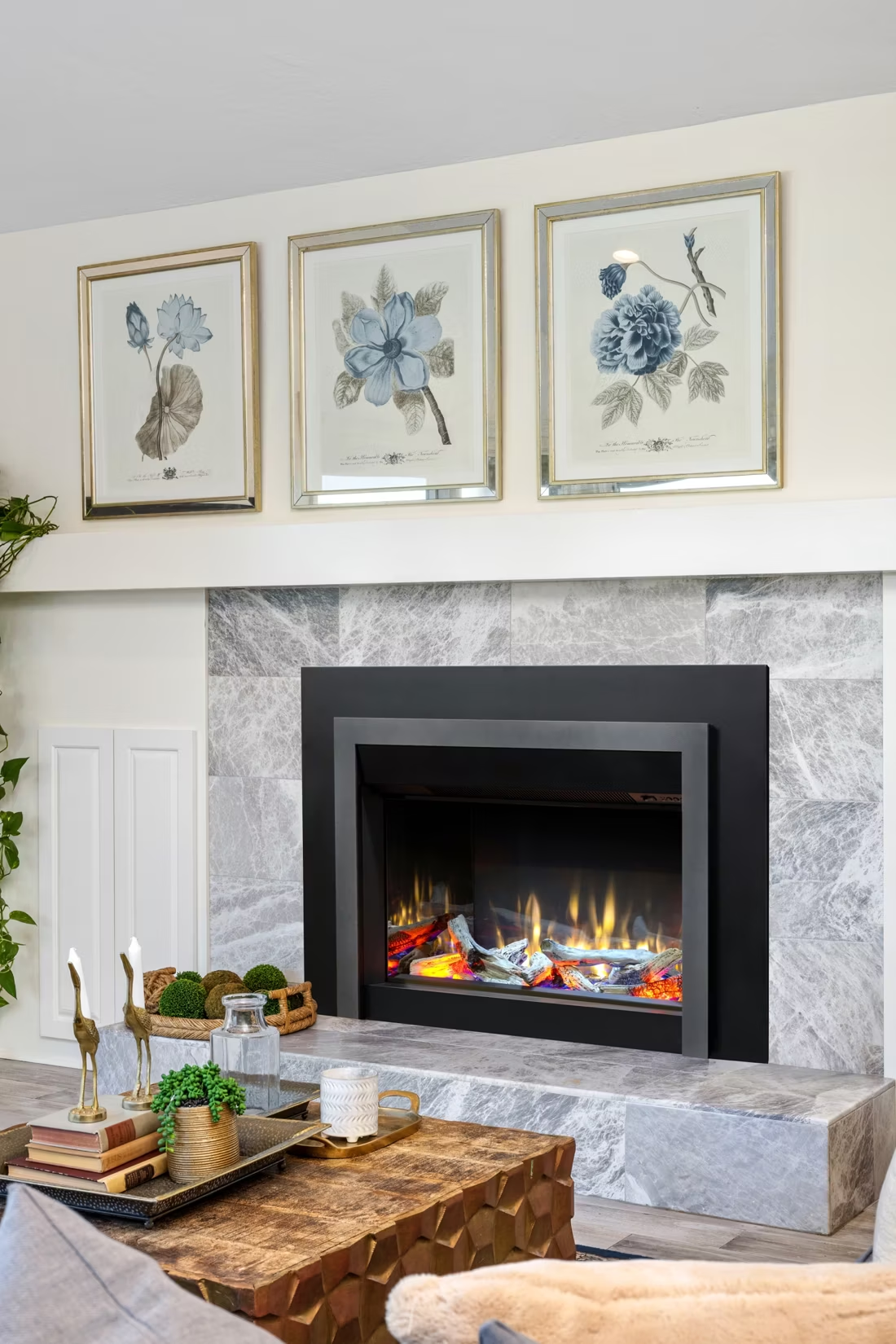
Wall-mounted linear units are popular in Aspen Hill's newer condo renovations and open-concept basement remodels—thin profile, mounted like a TV. Mantel or freestanding electric stoves work well as a plug-and-play option in a bedroom or den. And for the many Aspen Hill homes built in the 1960s and '70s with an existing masonry or zero-clearance wood-burning fireplace that's gone unused for years, an electric insert can drop into that same opening, giving you flame effect and heat without any chimney work or sweep required.
Are electric fireplaces allowed in condos and rental units in Aspen Hill?
Generally, yes—and that's precisely why electric is the go-to option for many Aspen Hill condo owners and renters, including in the area's large garden-apartment and Leisure World-style communities. Because plug-in and even most hardwired electric units involve no open flame, no gas line, and no exterior venting, they typically clear HOA and lease restrictions that would block a wood stove or solid-fuel appliance outright. It's still worth checking your specific condo association's rules on wall-mounted or built-in units before purchase, since some require notice for any wall-penetrating installation.
How realistic does an electric fireplace flame look?
Modern electric fireplaces have moved well past the orange-plastic-log look of older models. Current-generation LED flame technology from brands widely carried by hearth dealers uses layered light projection and mirrored steam or LED elements to mimic real flame movement, with adjustable brightness, color, and even ember-bed effects that can run independent of the heater. Higher-end units are genuinely convincing from across a room. A local dealer can show you the difference between entry-level and premium flame technology in person before you decide.
Can I put a TV above my fireplace?
Yes—with an asterisk. Fireplaces are hot and TVs don't like heat. Either put a mantel between them to deflect rising warmth, or choose a fireplace with heat-management technology that creates a cool zone on the wall above—the wall stays around 125 degrees, barely warm, while the room still gets full heat. If you like clean lines and don't want a mantel, heat management is the answer.
Does an electric fireplace need a vent or chimney?
No—that's its superpower. An electric fireplace needs a wall and an outlet, period. No vent pipe, no gas line, no clearances to design around, which is why it works in bedrooms, offices, apartments, and walls where venting a gas or wood unit would be impractical or impossible. Installation is typically the simplest and least expensive of any fireplace type.
Can I install a fireplace myself?
If you're putting a fire in your house on purpose, it's best to work with an expert. Unless you're genuinely experienced in framing, gas line, vent pipe, and the national code on clearances to combustibles, have a professional do it—and ideally the same company that sells you the fireplace, so warranty, service, and liability all live under one roof.
What is an in-home preview and do I need one?
It's a visit where a hearth professional measures your space, confirms the model you picked actually works in your home, and walks the specs—framing, gas line, venting, finish work—before anything is ordered. Some details you just can't know until you see the house. Never make a down payment without one; it's the single most-skipped step that burns buyers.
Nearby Dealers
Hearth shops serving Aspen Hill and the surrounding area. Every listing shows whether it is a WhyFire partner, a dealer we have verified as authorized for the brands we recommend, or a local business carrying hearth products. No manufacturer pays for placement. How we verify dealers →
Cyprus Air
Costello's Hearth & Spa - Rockville
Chimney.com
Capitol Chimney Service
The Fireplace Shop
Chelsea's Chimney
Westlake Ace Hardware
Aspen Green Gasworks
Masters Pellet Stoves
Genesis Chimney Services
Fireside Hearth & Home - Elkridge
Lawn & Leisure
Trinity Chimney Service
Belair Engineering & Service Co, Inc
The Torch Guys
Cyprus Air, Indoor Comfort
Homeliving Fireplaces
Affordable Outdoor Kitchens
Costello's Hearth & Spa - Glen Burnie
Electric Service in Aspen Hill
An electric fireplace's heater draws about 1,500 watts—pennies per hour at local rates.
Potomac Electric Power Co
Find your electric fireplace in Aspen Hill.
Tell us about your room, your panel, and what you're hoping to add—and we'll match you with a trusted local Aspen Hill dealer and send over a free Project Guide & Parts List built for your space.
Find Your Fireplace →