
Electric heat that fits Village St. George's mild winters.
With winter lows averaging 40°F and only a short, mild stretch of real cold each year, most homes here need ambiance and the occasional supplemental warmth—not a furnace-replacing heat source. Find the right electric unit and a trusted local dealer.
Every Project Starts From One of These Five Situations
Ambiance first, heat second—and that's the right call here.
Village St. George sits in East Baton Rouge Parish at just 33 feet of elevation, in climate zone 2A—one of the mildest, most humid heating climates in the country. Winters here are so mild that the overall need for heat is only a small fraction of what colder cities face—nowhere near the long, frigid winters of a place like Minneapolis. The vast majority of winter nights never come close to requiring real supplemental heat. A hard freeze here is a headline, not a season.
That's exactly why electric fireplaces make sense in this market: no chimney, no gas line, no combustion byproducts, and no venting to plan around. A licensed electrician sets a dedicated circuit, and the unit is ready to run the same day. Entergy Louisiana LLC serves most of the parish, with Dixie Electric Membership Corp covering some outlying pockets—at a residential rate of $0.1105/kWh, running an electric fireplace on a cool evening costs pennies. For homeowners who want real, sustained heat output for the handful of genuinely cold nights each winter, gas remains the more common choice locally—but for ambiance, supplemental warmth, and the visual upgrade of a fireplace without any of the maintenance, electric is a practical, low-commitment option here.
Three steps. No salesperson until you're ready.
Tell us about your project
Your zip code, your situation, and the fuel you're leaning toward—or let the answers point you to one.
See what's actually available
The brands dealers within 100 miles genuinely carry—real options, never a catalog mirage.
Get your dealer & Project Guide
A trusted local dealer, plus the free Project Guide & Parts List that names every component of the job.
Frequently Asked Questions
How much does an electric fireplace installation cost in Village St. George?
Most electric fireplace projects here run $500 to $3,000. A plug-in insert or wall-mounted unit dropped into an existing opening sits at the low end—often just the cost of the unit plus a licensed electrician setting a dedicated 120V or 240V circuit. Built-in electric fireplaces with custom mantel or cabinetry work, common in newer Village St. George construction, land at the higher end. Because there's no chimney, gas line, or venting involved, electric installs are consistently the fastest and least disruptive of any fireplace option—often a single afternoon.
Do electric fireplaces actually put out heat, or are they just for looks?
Most residential electric fireplaces include a fan-forced heater rated around 1,500 watts, enough to noticeably warm a single room—roughly 400 to 1,000 square feet depending on ceiling height and insulation. That's genuinely useful supplemental heat for Village St. George's occasional cold snaps into the 30s, but it's not designed to replace central HVAC. Many homeowners here run the flame effect year-round for ambiance and only switch on the heater a handful of nights each winter.
What will it cost to run an electric fireplace here?
At Entergy Louisiana's residential rate of about $0.1105 per kWh, a typical 1,500-watt electric fireplace costs roughly $0.17 per hour to run on heat mode, or under a dollar for a full evening. Dixie Electric Membership Corp customers in outlying parts of the parish pay a comparable rate. Given how few nights actually call for supplemental heat here, the annual operating cost of an electric fireplace is negligible compared to a wood or gas system sized for real winter heating loads.
Do I need a permit to install an electric fireplace in Village St. George?
A standalone plug-in electric fireplace typically doesn't require a permit—it's treated like any other appliance. If your installer needs to add a new dedicated circuit or breaker for a built-in unit, that electrical work should be pulled through East Baton Rouge Parish permitting and performed by a licensed electrician. Most local dealers coordinate this as part of the installation, so you're not left tracking down the paperwork yourself.
Why don't more homes here use wood stoves, given all the oak and pecan around?
East Baton Rouge Parish has plenty of oak, pecan, and cypress on the ground—the wood isn't the limiting factor. The climate is: with winter lows averaging 40°F and only a short, mild stretch of real cold each year, there's rarely enough sustained cold to justify a wood-burning appliance, and Louisiana's humidity makes stacked firewood and chimney upkeep more hassle than benefit for most homeowners. Wood stoves and pellet stoves are essentially absent from new construction in this area for that reason—electric and gas cover the actual demand.
Electric vs. gas fireplace—which is right for my Village St. George home?
Gas fireplaces are the standard choice locally when a homeowner wants real, sustained heat output—they're common in East Baton Rouge Parish new construction and can genuinely warm a room during a rare hard freeze. Electric fireplaces cost less to install, require no gas line or venting, and work in any room including bedrooms, condos, and rentals where gas isn't an option. Since most winter nights here don't demand serious heat output, many homeowners choose electric purely for the look and occasional warmth, reserving gas for homes that want a fireplace that can genuinely carry the room on the coldest nights of the year.
Will my electric fireplace work if the power goes out during hurricane season?
No—electric fireplaces require power to run both the heater and the flame effect, so they go dark along with everything else during a storm-related outage, which is a real consideration in a Gulf Coast parish that sees seasonal hurricane risk. If backup heat during extended outages matters to you, a propane or natural gas unit with a battery-backed ignition system is worth discussing with a local dealer alongside your electric fireplace plans. Many homeowners here choose electric for daily ambiance and keep a separate outage plan in mind for storm season.
What's the difference between an electric insert, a wall-mount, and a built-in electric fireplace?
An electric insert is sized to slide into an existing masonry or factory-built fireplace opening, a common retrofit in older Village St. George homes. A wall-mount unit hangs flush against drywall like a large television, popular in newer builds and condos. A built-in electric fireplace is designed to be framed into new cabinetry or a wall during construction or renovation, giving the cleanest, most furniture-grade look. A local dealer can tell you which fits your existing opening, wall structure, or renovation plans.
Are electric fireplaces safe for Louisiana's humidity?
Yes, when the unit is rated for the installation location and wired correctly. Electric fireplaces produce no moisture, combustion byproducts, or open flame, which actually makes them a lower-maintenance option than wood or gas in a humid climate like East Baton Rouge Parish's—there's no chimney for moisture or pests to enter through. The main thing to watch is proper clearance and ventilation around the unit's internal components in an un-air-conditioned space, like a porch or garage conversion; a local dealer can recommend models rated for those conditions.
Can I put a TV above my fireplace?
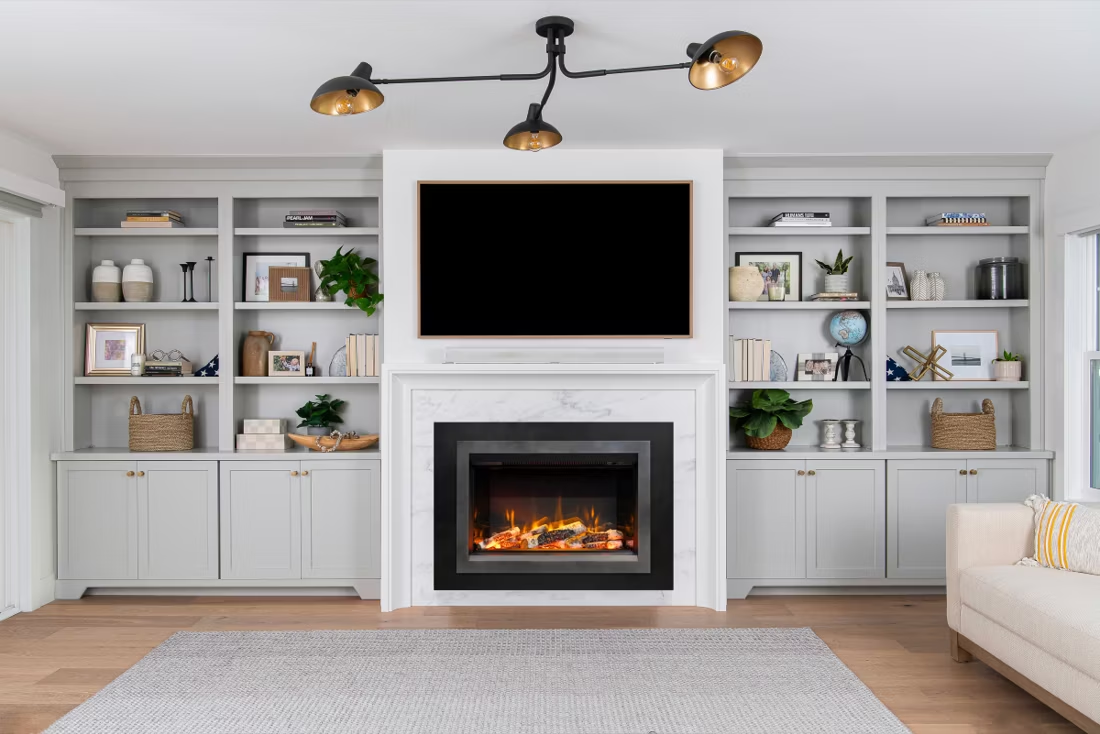
Yes—with an asterisk. Fireplaces are hot and TVs don't like heat. Either put a mantel between them to deflect rising warmth, or choose a fireplace with heat-management technology that creates a cool zone on the wall above—the wall stays around 125 degrees, barely warm, while the room still gets full heat. If you like clean lines and don't want a mantel, heat management is the answer.
Do electric fireplaces actually produce heat?
Yes—most put out around 4,800–5,000 BTUs from a standard outlet, which comfortably warms a bedroom, office, or den as a comfort-zone heater. What they won't do is carry a whole house the way wood, gas, or pellet can. Think of electric as ambiance-first with honest supplemental heat: flames on with no heat in July, flames plus warmth in January.
Does a fireplace add value to my home?
On average, a fireplace adds back to the home about the same amount you spent installing it. Add the monthly savings from heating the rooms you actually use instead of the whole house—often hundreds of dollars a year—and the value case is strong before you even count what a fire does for how your family uses the room.
Can a fireplace actually lower my heating bill?
Yes—by creating a comfort zone. A furnace heats every square foot of the house just to warm the one room you're in; a gas fireplace on low burns roughly a sixth of the gas a typical furnace does. Set the furnace around 55–60 degrees as a baseline, then heat the rooms your family actually uses. Families who heat this way commonly save $20–$60 a month.
Nearby Dealers
Hearth shops serving Village St. George and the surrounding area. Every listing shows whether it is a WhyFire partner, a dealer we have verified as authorized for the brands we recommend, or a local business carrying hearth products. No manufacturer pays for placement. How we verify dealers →
Woodburners, Inc
Acoustical Spec & Supply
Area – Baton Rouge, La
Economy Brick Sales
Electric Service in Village St. George
An electric fireplace's heater draws about 1,500 watts—pennies per hour at local rates.
Entergy Louisiana LLC
Dixie Electric Membership Corp
Find your electric fireplace in Village St. George.
Tell us a bit about your home and we'll match you with the right electric fireplace or insert, plus a free Project Guide & Parts List and a trusted local dealer to install it.
Find Your Fireplace →