
Reliable gas heat for Rockcastle County's cold winters.
With winter lows averaging in the mid-20s and no natural gas utility running through most of the county, propane-fed gas fireplaces are the practical way to get instant, dependable heat in Rockcastle County homes. Find the right unit and get matched with a trusted local dealer.
Every Project Starts From One of These Five Situations
Dependable warmth without a gas utility line.
Rockcastle County is a small, rural corner of eastern Kentucky—just under 4,000 residents spread across ridges and hollows bordering the Daniel Boone National Forest, with Mount Vernon as the county seat. With average winter lows around 24°F, it's a moderate but genuine heating climate: not the brutal cold of the northern Plains, but cold enough that homes here run heat for a solid five or six months a year. Wood has always been part of that picture, given the oak, hickory, maple, and cherry that grow throughout the county, but gas fireplaces have become a common upgrade for homeowners who want heat on demand without tending a fire.
Because Rockcastle County doesn't have the population density to support natural gas utility lines through most of its area, propane is the standard fuel for gas fireplaces here rather than piped natural gas. That means most installations pair a direct-vent gas insert or fireplace with either an existing propane tank or a new tank set by a regional supplier. It's a different setup than what you'd find in a city with gas mains running down every street, but the end result is the same—flip a switch and get real heat, no wood splitting, no ash, and no worrying about a fire going out overnight.
Three steps. No salesperson until you're ready.
Tell us about your project
Your zip code, your situation, and the fuel you're leaning toward—or let the answers point you to one.
See what's actually available
The brands dealers within 100 miles genuinely carry—real options, never a catalog mirage.
Get your dealer & Project Guide
A trusted local dealer, plus the free Project Guide & Parts List that names every component of the job.
Frequently Asked Questions
How much does a gas fireplace installation cost in Rockcastle County?
Most gas fireplace and insert installations in Rockcastle County run somewhere between $3,500 and $9,000, with the spread driven mainly by whether you already have a propane tank and gas line in place. A gas insert dropped into an existing masonry fireplace with propane already on site tends to land on the lower end. A new direct-vent gas fireplace in a room addition or remodel—with fresh gas line runs and possibly a new propane tank installation—sits toward the higher end. Because the county doesn't have a natural gas utility running through most areas, factor in the tank and line work as part of your budget, not an afterthought.
Can I convert my existing wood fireplace to gas?
Yes, and it's a common project for older Rockcastle County homes with a masonry fireplace that's been burning oak or hickory for decades. A gas insert typically slides into the existing firebox and vents up through the original chimney using a stainless liner, so you keep the look of the fireplace while gaining instant, consistent heat. Since most of the county runs on propane rather than piped gas, the conversion usually includes setting or connecting to a propane tank as part of the job. Expect the project to run in a similar range to a new gas insert install—a local dealer will give you a firm number after seeing your chimney and fireplace opening in person.
Do I need natural gas, or does propane work for a gas fireplace?
Propane is the standard answer for Rockcastle County. Because the county's population is small and spread out across rural terrain near the Daniel Boone National Forest, natural gas utility lines don't reach most homes here, unlike denser areas of the state. Propane-fueled gas fireplaces and inserts perform identically to natural gas units—same flame, same heat output—they just draw from a tank instead of a buried utility line. If you're building new or remodeling, your installer will set you up with the right orifice and regulator for propane, and can coordinate tank placement with a local propane supplier.
Will my gas fireplace work during a power outage?
Most modern gas fireplaces will, which matters in a rural county like Rockcastle where ice storms and downed lines can knock out power for a day or more. Units with intermittent pilot ignition (IPI) run on a small battery backup that kicks in automatically when the power drops, so the fireplace lights normally even with no electricity to the house. Valor units take a slightly different approach—they generate their own current off the pilot's thermocouple, so there's no battery to remember to replace. Either way, ask your local dealer about the ignition system before you buy if backup heat during outages is a priority.
What's the difference between a gas fireplace, gas insert, and gas stove?
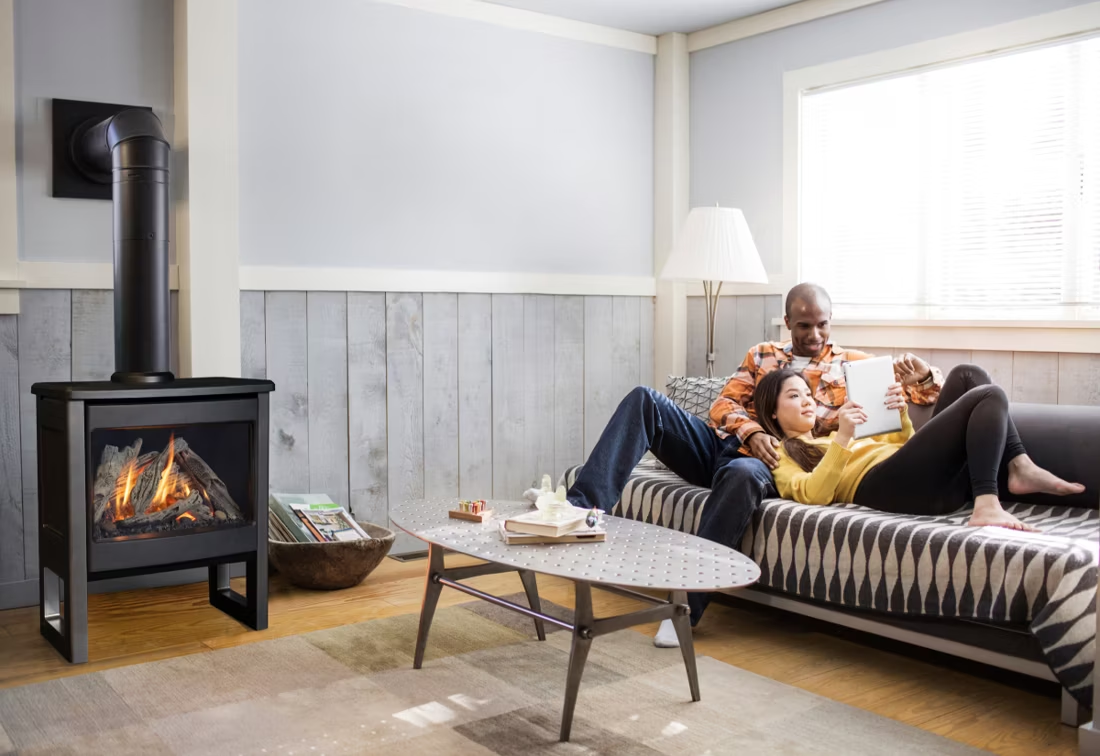
A gas fireplace is a fully built-in unit framed into a wall, typically chosen for new construction or a remodel where there's no existing chimney to work with. A gas insert is built to slide into an existing masonry fireplace opening, using your current chimney as the vent path—a common fit for the older farmhouses and log-built homes scattered through Rockcastle County. A gas stove is a freestanding cast-iron or steel unit that sits out in the room like a wood stove but burns gas or propane instead of cordwood. For most homeowners here with an existing fireplace, an insert is the simplest upgrade; homes without one usually go with a built-in fireplace or a freestanding stove.
Do I need a permit to install a gas fireplace in Rockcastle County?
Generally yes—a building permit is typically required for a new gas fireplace or insert installation, and any propane line or tank work should be handled by a licensed installer, since gas connections fall outside general handyman work. Permitting for Rockcastle County properties runs through the county's building inspection office; most established local hearth dealers handle this paperwork as part of the installation so you're not tracking it down yourself. If you're placing a new propane tank, your propane supplier will also have its own siting and safety requirements to follow.
What's the difference between vented and vent-free gas fireplaces?
Vented (direct-vent) gas fireplaces pull combustion air from outside and exhaust the byproducts back outside through a sealed pipe—they're the cleanest and most widely recommended option. Vent-free units burn directly into the room with no outside venting, which makes installation simpler but releases some water vapor and combustion byproducts indoors, so they come with strict room-sizing and ventilation rules. Kentucky permits vent-free units, and with no local air quality concerns on record in Rockcastle County, either style is workable here. That said, most local dealers steer homeowners toward direct-vent units for day-to-day heating use, saving vent-free for smaller supplemental or accent applications.
How often should my gas fireplace be serviced?
Plan on an annual inspection, ideally before the first cold stretch of the season. A technician will check the burner, pilot assembly, venting, and gas connections, and clean the glass and interior—quick work compared to a wood chimney sweep, but just as important for safe operation. This matters even more with propane systems, where a technician can also check tank connections and line integrity while they're there. Most gas service visits in this part of Kentucky run in the $150 to $250 range.
Gas vs. wood—which makes more sense for a Rockcastle County home?
Wood has deep roots here—oak, hickory, maple, and cherry are all common on local land, and Daniel Boone National Forest cutting permits run about $20 per cord during the May-to-October season, which keeps fuel costs low if you're willing to cut and split your own. Wood also keeps working without electricity, which matters during ice storms. Gas trades that self-sufficiency for convenience: no splitting, no ash, no creosote buildup, and heat at the flip of a switch—a real advantage for anyone who wants a fireplace running in the main living space without the daily upkeep. With a solid five or six months of heating season, Rockcastle County winters are cold enough to justify either choice, and plenty of local homes end up with both—wood for backup and ambiance, gas for the room they use every day.
Is my gas fireplace wasting gas?
If it was installed more than 15 years ago, probably. Older gas fireplaces keep a standing pilot light burning all the time, and that little flame can cost a couple hundred dollars a year. Newer models use pilot-on-demand ignition—the pilot lights only when you use the fireplace and goes out when you turn it off.
Why is my open fireplace making my house colder?
Open fireplaces suck—literally. As the fire burns, it consumes air your furnace already paid to heat and pulls it out through the chimney, so the house is actually colder after the fire goes out than before you lit it. An insert fixes this: it seals the chimney, puts fixed glass across the front, and turns that hole in your house into a real heat source.
What is an in-home preview and do I need one?
It's a visit where a hearth professional measures your space, confirms the model you picked actually works in your home, and walks the specs—framing, gas line, venting, finish work—before anything is ordered. Some details you just can't know until you see the house. Never make a down payment without one; it's the single most-skipped step that burns buyers.
Can I install a fireplace myself?
If you're putting a fire in your house on purpose, it's best to work with an expert. Unless you're genuinely experienced in framing, gas line, vent pipe, and the national code on clearances to combustibles, have a professional do it—and ideally the same company that sells you the fireplace, so warranty, service, and liability all live under one roof.
Find your gas fireplace in Rockcastle County.
Tell us a bit about your home and propane setup, and I'll match you with the right gas fireplace, insert, or stove and a trusted local dealer—plus a free Project Guide & Parts List with the exact venting and parts your installer will need.
Find Your Fireplace →