
Warmth and Ambiance, No Chimney Required.
Electric heat that fits Wichita's moderate winters and older housing stock—no venting, no gas line, no masonry work. Find the right unit and connect with a trusted local dealer.
Every Project Starts From One of These Five Situations
A practical fit for the plains-state winter.
Wichita sits at about 1,296 feet on the south-central Kansas plains, in climate zone 4A with a moderate winter heating load and winter lows averaging 22°F. That's a meaningfully milder heating season than Fargo ND or Duluth MN—cold enough for real winter weeks, but not the kind of sustained sub-zero stretch that demands a whole-home wood or gas system. That moderate profile is exactly where electric fireplaces earn their keep: zone heat for a bedroom, den, or basement rec room rather than a primary furnace replacement.
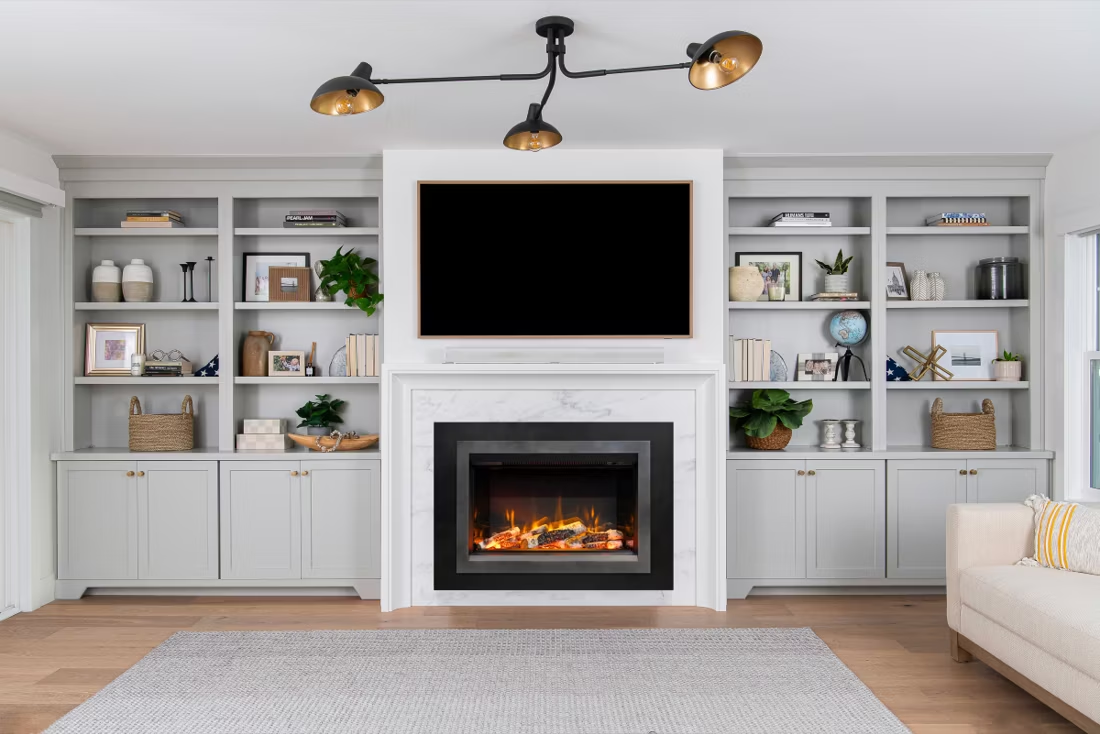
Electric units also solve a specific Wichita housing problem: a lot of the city's mid-century ranch homes in neighborhoods like College Hill, Riverside, and Delano have an existing masonry firebox that was never converted, and a lot of newer construction and downtown Old Town condos never had a chimney to begin with. An electric insert or wall-mount unit slides into that old firebox or mounts flush in a wall with no venting, no gas line, and often no more than a standard 120V outlet. Power comes from Evergy Kansas South, Evergy Kansas Central, or Sedgwick County Electric Cooperative depending on where in the county you are, with residential rates running about $0.1425–$0.1429 per kWh—cheap enough that even daily evening use adds only a few dollars a month to the bill.
Three steps. No salesperson until you're ready.
Tell us about your project
Your zip code, your situation, and the fuel you're leaning toward—or let the answers point you to one.
See what's actually available
The brands dealers within 100 miles genuinely carry—real options, never a catalog mirage.
Get your dealer & Project Guide
A trusted local dealer, plus the free Project Guide & Parts List that names every component of the job.
Frequently Asked Questions
How much does it cost to install an electric fireplace in Wichita?
A plug-in electric insert or a freestanding electric stove typically runs $300 to $900 installed, since most just need an existing outlet and a properly sized firebox opening or hearth pad. A built-in wall unit or a full mantel package with a dedicated 120V or 240V circuit runs higher, usually $1,200 to $2,500, mostly for the electrician's time running new wiring through drywall or an older home's plaster walls. Compare that to a vented gas or wood install, which routinely runs $4,500 and up once venting and framing are involved—electric is the low-cost, low-disruption option in nearly every case.
Can I put an electric insert into my existing wood fireplace?
Yes, and it's one of the most common Wichita projects, especially in the older brick homes around College Hill and Riverside that still have an original wood-burning firebox nobody uses anymore. An electric insert slides into that opening, uses the existing surround and mantel, and needs no chimney, no liner, and no cleaning—you just plug it in or have an electrician add an outlet inside the firebox if one isn't already there. It's a same-day project in most cases, compared to weeks of permitting and masonry work for a gas conversion.
Do I need a permit to install an electric fireplace in Wichita?
A simple plug-in unit that uses an existing outlet typically doesn't require a permit. If your installer needs to run new wiring or add a dedicated circuit—common for larger built-in wall units—that electrical work needs to be pulled through the City of Wichita or Sedgwick County, depending on your address, and performed by a licensed electrician. Most local hearth dealers either employ a licensed electrician or coordinate directly with one, so you're not left managing the permit yourself.
How much does an electric fireplace cost to run in Wichita?
Most electric fireplaces draw about 1,500 watts on the heat setting, which works out to roughly $0.21 to $0.22 per hour at Evergy's residential rate of $0.1425 to $0.1429 per kWh (Sedgwick County Electric Cooperative customers will see a nearly identical number). Run it for ambiance only, with the heater off, and the draw drops to just a few watts for the LED flame effect—essentially pennies a month. For a room used a few hours a night through a Wichita winter, that's typically $15 to $30 a month in added electricity cost.
Will an electric fireplace actually heat my room, or is it just for looks?
It will genuinely heat a single room—most units put out 4,500 to 9,000 BTU, enough to comfortably warm a 300 to 400 square foot space, which covers most bedrooms, dens, and basement rooms in a typical Wichita home. What it won't do is replace your furnace on a January day when the temperature drops into the teens or single digits; it's built for zone heating and shoulder-season comfort, not whole-home heat load. Homeowners who want a fireplace that can genuinely offset furnace use during a hard freeze usually look at gas instead.
What's the difference between an electric insert, a wall-mount unit, and a mantel package?
An electric insert is built to slide into an existing masonry firebox opening, which makes it the natural choice for the many older Wichita homes with an unused wood fireplace. A wall-mount unit hangs flush on a wall like a large TV and works well in newer construction or condos without any existing firebox. A mantel package pairs a freestanding or built-in electric unit with a surrounding cabinet or mantel shelf, giving you a finished, furniture-like look without any wall modification at all—a popular option for renters or anyone who doesn't want to touch drywall.
Should I get electric or gas for my Wichita home?
Gas delivers real, sustained heat output and can serve as a genuine secondary heat source during a Kansas cold snap, but it requires a gas line, venting, and a $4,500-plus installation in most cases. Electric skips all of that—no gas line, no venting, no permit in most cases—in exchange for lower heat output and a role as supplemental rather than backup heat. For a rental property, a condo without gas service, or a room where you mainly want ambiance and light warmth, electric is usually the better fit. For a primary living space where you want to lean on the fireplace during an ice storm power outage, note that most electric units won't run without grid power, while some gas models will.
Is an electric fireplace a good option for an apartment or rental in Wichita?
It's often the only realistic option. Renters generally can't cut into a wall for gas line work or install a vented chimney system, but a plug-in electric stove or a freestanding unit requires no permanent modification and can move with you when the lease ends. Many of the newer apartment and condo developments around Old Town and downtown Wichita were never built with a chimney or gas stub at all, which is part of why electric units have become the default fireplace option in that segment of the local housing stock.
Are electric fireplaces safe for bedrooms and nurseries?
Yes—this is one of electric's clearest advantages over wood or gas. There's no open flame, no combustion byproducts, and no carbon monoxide risk, so most units are rated safe for bedrooms and even childcare spaces. Nearly all modern units include overheat shutoff sensors and cool-touch glass fronts. The main safety consideration is electrical, not combustion: make sure the circuit is sized correctly for the unit's wattage, especially if you're running a 1,500-watt heater off an older outlet in a pre-1960s Wichita home, which is where a licensed electrician's input is worth the small extra cost.
Can I put a TV above my fireplace?
Yes—with an asterisk. Fireplaces are hot and TVs don't like heat. Either put a mantel between them to deflect rising warmth, or choose a fireplace with heat-management technology that creates a cool zone on the wall above—the wall stays around 125 degrees, barely warm, while the room still gets full heat. If you like clean lines and don't want a mantel, heat management is the answer.
Does an electric fireplace need a vent or chimney?
No—that's its superpower. An electric fireplace needs a wall and an outlet, period. No vent pipe, no gas line, no clearances to design around, which is why it works in bedrooms, offices, apartments, and walls where venting a gas or wood unit would be impractical or impossible. Installation is typically the simplest and least expensive of any fireplace type.
Does a fireplace add value to my home?
On average, a fireplace adds back to the home about the same amount you spent installing it. Add the monthly savings from heating the rooms you actually use instead of the whole house—often hundreds of dollars a year—and the value case is strong before you even count what a fire does for how your family uses the room.
Can I install a fireplace myself?
If you're putting a fire in your house on purpose, it's best to work with an expert. Unless you're genuinely experienced in framing, gas line, vent pipe, and the national code on clearances to combustibles, have a professional do it—and ideally the same company that sells you the fireplace, so warranty, service, and liability all live under one roof.
Preferred Dealers in Wichita
Marked Preferred because they run on WhyFire's software—so they can show you real pricing and book your appointment right here. No manufacturer pays for placement. How we verify dealers →
Electric Service in Wichita
An electric fireplace's heater draws about 1,500 watts—pennies per hour at local rates.
Evergy Kansas South, Inc
Evergy Kansas Central, Inc
Sedgwick County El Coop Assn Inc
Find your electric fireplace in Wichita.
Tell us a bit about your home and we'll put together a free Project Guide & Parts List for your Wichita electric fireplace project, then match you with a trusted local dealer who can install it right.
Find Your Fireplace →