
Bring instant, no-vent warmth to any room in Sac County.
From Sac City to the cabins ringing Black Hawk Lake, electric fireplaces give you flip-a-switch ambiance and zone heat without a chimney, gas line, or wood pile. Find the right unit and connect with a trusted local dealer.
Every Project Starts From One of These Five Situations
Zone heat and ambiance for a hard Iowa winter.
Sac County is farm country—roughly 6,500 people spread across Sac City, Odebolt, Wall Lake, Lake View, Auburn, Nemaha, and Schaller, with row crops and pasture filling the space in between. Winters here are genuinely severe: climate zone 6A, an average winter low around 8°F, and a long, demanding heating season that runs nearly seven months of the year, putting Sac County in the same cold-climate range as Fargo or Minneapolis. Most homes in the county rely on a propane or forced-air furnace as primary heat, with wood stoves burning local oak, hickory, maple, and walnut as backup in rural areas where power and propane deliveries can be interrupted by a bad storm.
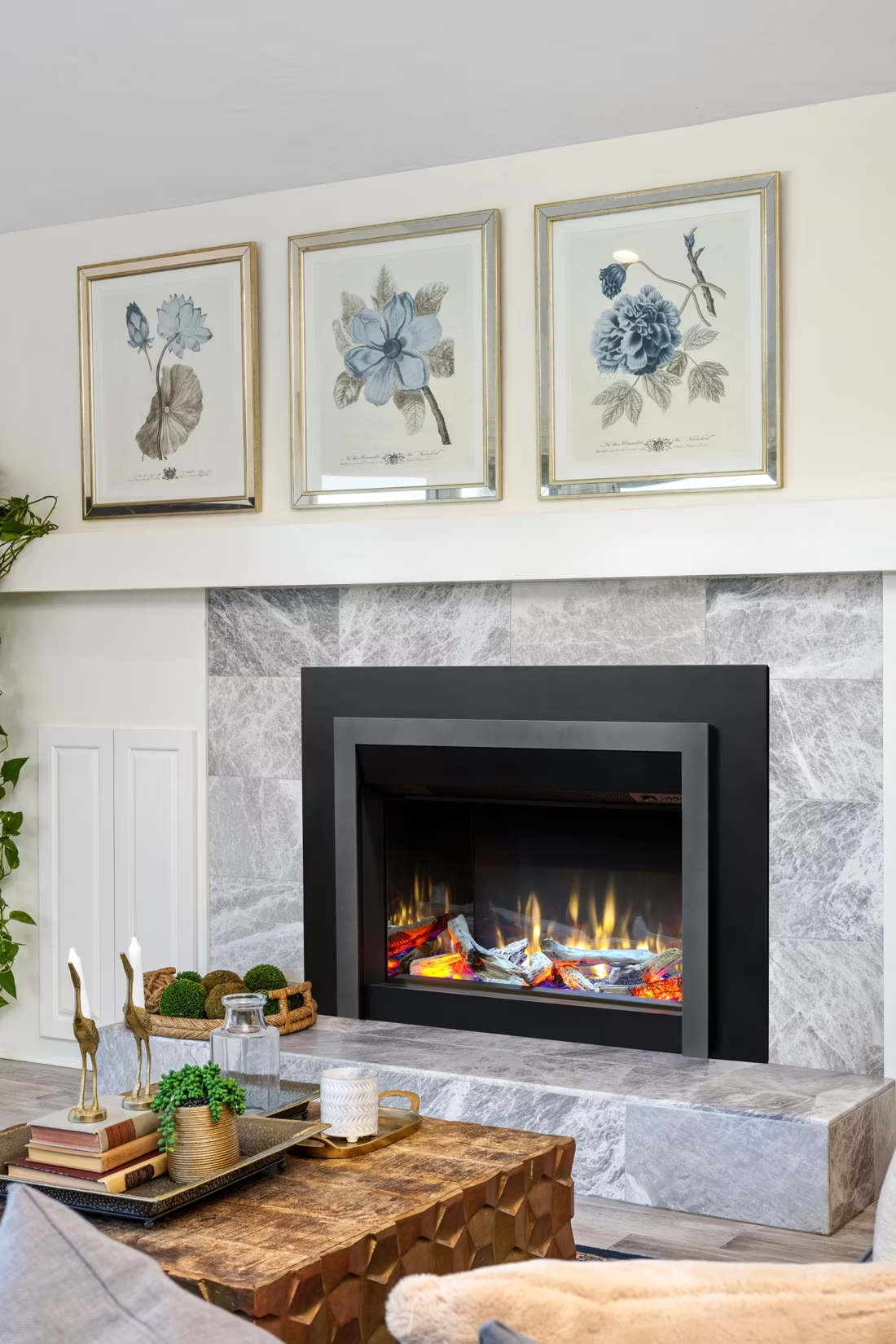
Electric fireplaces fill a different role than the furnace or the wood stove—they add supplemental warmth and real ambiance to a specific room without any venting, gas line, or combustion byproducts to manage. A freestanding electric insert or mantel unit plugs into a standard outlet and can be moved if you rearrange a room; a built-in wall unit needs a dedicated circuit but still skips the chimney and clearance headaches of a wood or gas install. That makes electric a natural fit for finished basements, bonus rooms, and the seasonal cabins around Black Hawk Lake, where a full masonry or vented install isn't practical. A local dealer can walk you through which style fits your space and circuit capacity.
Three steps. No salesperson until you're ready.
Tell us about your project
Your zip code, your situation, and the fuel you're leaning toward—or let the answers point you to one.
See what's actually available
The brands dealers within 100 miles genuinely carry—real options, never a catalog mirage.
Get your dealer & Project Guide
A trusted local dealer, plus the free Project Guide & Parts List that names every component of the job.
Frequently Asked Questions
How much does an electric fireplace cost to install in Sac County?
Freestanding or insert-style electric fireplaces that plug into an existing 120V outlet typically run $150 to $800 for the unit itself, with little to no install labor since there's no venting or gas line involved. Built-in wall units or custom mantel packages with a dedicated 240V circuit and finish carpentry usually land between $1,500 and $4,000 installed, depending on the surround and any electrical work needed to bring power to the wall. Because there's no chimney or flue to deal with, electric is consistently the least expensive fireplace fuel to install in Sac County, which is part of why it's a popular choice for secondary rooms and seasonal properties.
Will an electric fireplace heat my whole house through a Sac County winter?
No—and this is worth being upfront about given how cold it gets here. Most electric fireplaces top out around 1,500 watts (roughly 5,000 BTU), enough to noticeably warm a single room of 400 to 1,000 square feet but not enough to serve as primary heat when your average winter low is sitting around 8°F and the heating season stretches on for nearly seven months a year. In Sac County, electric fireplaces work best as zone heat for a den, basement, or bedroom while your propane furnace or a wood stove handles the whole-house load. If you're hoping to offset furnace use meaningfully, a wood or pellet appliance will get you further.
Do I need a permit for an electric fireplace in Sac County?
A freestanding, plug-in electric fireplace or insert generally requires no permit at all—it's treated like any other appliance you plug into an existing outlet. A built-in wall unit wired to a new dedicated circuit is a different story: that work falls under standard electrical permitting through the county, since it involves running new wiring rather than just plugging into what's already there. Most local dealers coordinate a licensed electrician for that step, so you're not left tracking down the permit yourself.
What's the difference between an electric insert, an electric stove, and an electric fireplace mantel?
An electric insert is built to slide into an existing fireplace opening—masonry or zero-clearance—and is the natural upgrade if you already have a fireplace box you're not using. An electric stove is a freestanding cabinet styled like a traditional wood stove, useful if you want a stove aesthetic without cutting a hole for venting. An electric fireplace mantel is a complete self-contained unit with the firebox and surround built in—no existing opening required, which makes it the simplest option for a room that's never had a fireplace, like a finished basement in a Sac City or Lake View home.
Will my electric fireplace still work if the power goes out?
No—electric fireplaces need power to run the heater element and, on most models, the flame-effect display, so they go dark along with everything else during an outage. That's an important consideration in rural Sac County, where winter storms can take down power for hours or longer between farms. If backup heat during outages matters to you, a wood stove burning local oak or hickory is the more reliable choice for that specific job—plenty of county homes run electric for daily ambiance and a wood stove as the outage fallback.
Electric vs. wood—which is right for my Sac County home?
Wood stoves burning local oak, hickory, maple, or walnut deliver real heat output, work without electricity during outages, and have deep roots in rural Iowa homes as backup or supplemental heat. Electric fireplaces can't match that heat output or storm resilience, but they install in an afternoon with no chimney, no ash, and no clearance requirements—a real advantage for a finished basement, a rental property in Sac City, or a room where a full wood or gas install isn't practical. Many county homeowners end up with both: wood for real heat and outage backup, electric for the rooms where simplicity wins.
Are electric fireplaces a good fit for cabins around Black Hawk Lake?
Yes—for seasonal or lake-property use around Black Hawk Lake, electric is often the most practical option. There's no chimney to maintain over an unheated off-season, no creosote buildup to worry about between visits, and a plug-in unit can be shut off and left alone for months without any upkeep. The tradeoff is the same one that applies countywide: electric won't function without grid power, so it's best paired with a space heater or wood stove if the cabin needs reliable heat during shoulder-season stays.
What electric fireplace brands should I look at for a Sac County home?
Established names like Dimplex, Napoleon, and Amantii cover most of the market and are widely stocked by hearth dealers serving northwest Iowa, with options ranging from simple plug-in inserts to full built-in wall units with realistic flame technology. Rather than picking a brand off a website, it's worth asking a local dealer which models they actually stock and service in the area—that matters more for warranty support and parts availability in a smaller county market like Sac.
Electric vs. pellet stove—which makes more sense here?
A pellet stove burning bagged fuel from regional suppliers like Lignetics or Indeck Energy Services puts out real, whole-room heat—enough to meaningfully offset furnace use during Sac County's long heating season—but it still needs electricity to run the auger and blower, so it shares the same outage limitation as an electric fireplace. Electric fireplaces are simpler to install and cheaper up front, but they're strictly supplemental. If you want lower propane bills through a long, seven-month-plus winter, pellet is the stronger heating investment; if you want low-cost ambiance in one room, electric is the easier answer.
Does an electric fireplace need a vent or chimney?
No—that's its superpower. An electric fireplace needs a wall and an outlet, period. No vent pipe, no gas line, no clearances to design around, which is why it works in bedrooms, offices, apartments, and walls where venting a gas or wood unit would be impractical or impossible. Installation is typically the simplest and least expensive of any fireplace type.
Can I put a TV above my fireplace?
Yes—with an asterisk. Fireplaces are hot and TVs don't like heat. Either put a mantel between them to deflect rising warmth, or choose a fireplace with heat-management technology that creates a cool zone on the wall above—the wall stays around 125 degrees, barely warm, while the room still gets full heat. If you like clean lines and don't want a mantel, heat management is the answer.
What is an in-home preview and do I need one?
It's a visit where a hearth professional measures your space, confirms the model you picked actually works in your home, and walks the specs—framing, gas line, venting, finish work—before anything is ordered. Some details you just can't know until you see the house. Never make a down payment without one; it's the single most-skipped step that burns buyers.
Can I install a fireplace myself?
If you're putting a fire in your house on purpose, it's best to work with an expert. Unless you're genuinely experienced in framing, gas line, vent pipe, and the national code on clearances to combustibles, have a professional do it—and ideally the same company that sells you the fireplace, so warranty, service, and liability all live under one roof.
Find your electric fireplace in Sac County.
Tell us a bit about your home and we'll put together a free Project Guide & Parts List—the right electric fireplace or insert for your space, the parts you'll need, and a recommended local dealer to handle the install.
Find Your Fireplace →