
Add electric warmth to your Ucon home, without the vent.
Zone heat and real ambiance for Bonneville County winters, with no chimney, no gas line, and no combustion to manage. Find the right unit and connect with a trusted local dealer.
Every Project Starts From One of These Five Situations
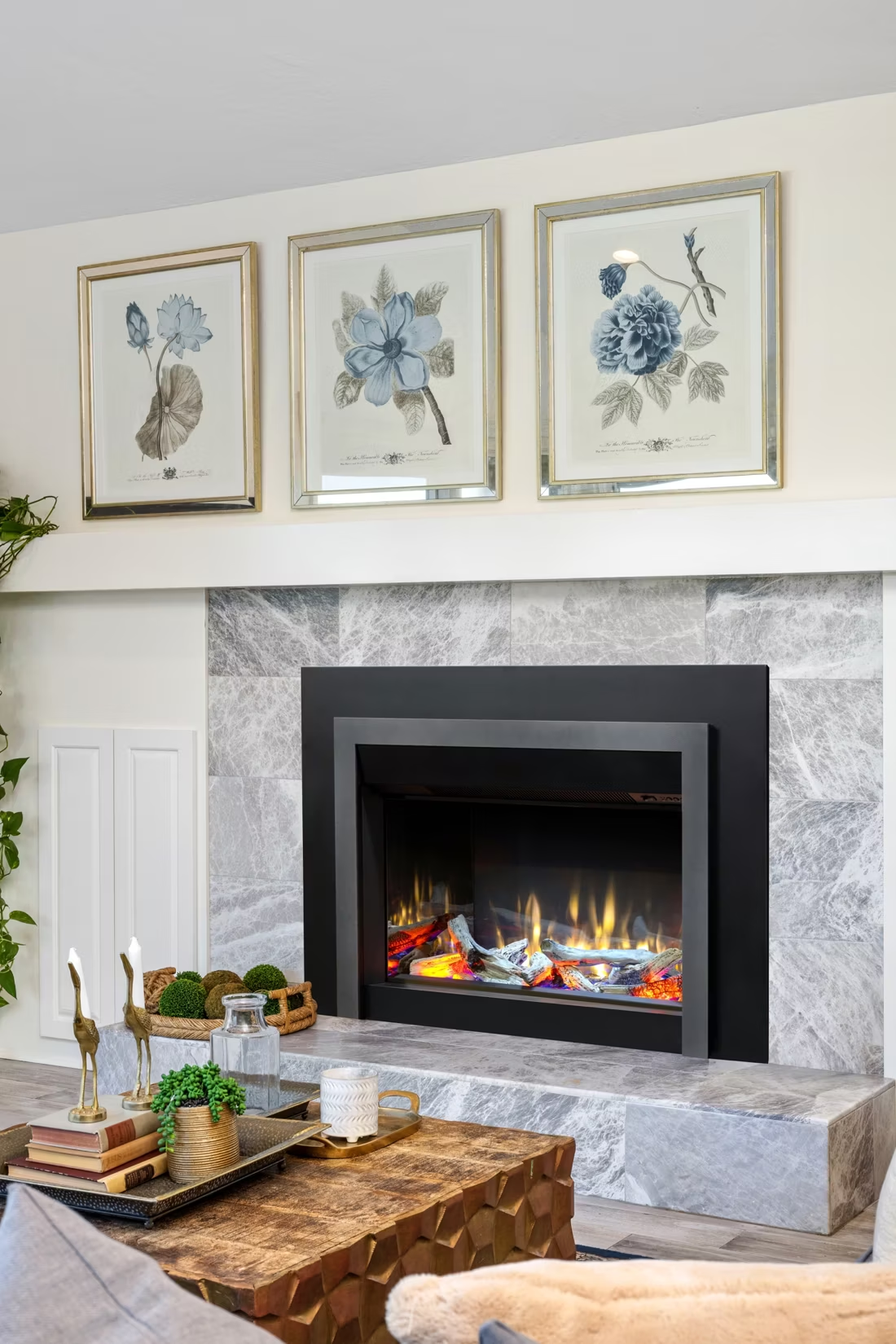
A supplemental heat source built for easy installation.
Ucon sits on the eastern Snake River Plain at nearly 4,800 feet, where winter lows average 16°F and the area has a heating load similar to Madison, Wisconsin, with winters that run long and cold. That kind of cold means most Bonneville County homes lean on a furnace or heat pump for whole-home heat, with wood or gas often filling in as a backup. Electric fireplaces occupy a different, useful niche here: they're not going to replace your furnace on a January night, but they add instant, no-mess warmth to a bonus room, basement, or family room without any of the installation complexity of a vented appliance.
PacifiCorp serves electric customers in the Ucon area at a residential rate around 12.5 cents per kWh, which keeps the operating cost of a 1,500-watt electric insert or wall unit modest for occasional use. Because there's no combustion, no flue, and no gas line to run, electric fireplaces are usually the simplest and least expensive hearth project available—many freestanding and wall-mount units plug into a standard outlet, while built-in inserts typically need a dedicated 20-amp circuit run by an electrician. That simplicity also matters during winter inversion events on the Snake River Plain, when wood smoke can build up in the valley air and an electric unit lets you run a fire with zero added particulate emissions.
Three steps. No salesperson until you're ready.
Tell us about your project
Your zip code, your situation, and the fuel you're leaning toward—or let the answers point you to one.
See what's actually available
The brands dealers within 100 miles genuinely carry—real options, never a catalog mirage.
Get your dealer & Project Guide
A trusted local dealer, plus the free Project Guide & Parts List that names every component of the job.
Frequently Asked Questions
How much does an electric fireplace installation cost in Ucon?
Most electric fireplace projects in the Ucon area run $500 to $2,500. A plug-in freestanding unit or a basic wall-mount model on an existing outlet sits at the low end. A built-in electric insert or a linear wall unit that requires a dedicated 20-amp circuit, some minor framing, and finish trim work runs toward the higher end, especially if an electrician needs to open a wall to run new wire. Compared to wood or gas installs, there's no chimney, liner, or gas line to budget for, which is why electric is consistently the most affordable hearth option for Bonneville County homeowners.
Can an electric fireplace be my main source of heat in Ucon?
Not really, and any honest local dealer will tell you the same. With a heating load similar to Madison, Wisconsin and winter lows averaging 16°F, Ucon's heating demand is too high for a standard electric fireplace, which typically outputs 5,000 to 9,000 BTU and is designed to heat a single room of 400 to 1,000 square feet. Homes here rely on a furnace, heat pump, or ducted electric system for whole-house heat, with an electric fireplace layered on top for zone heating and ambiance in the room where you spend the most time—a den, primary bedroom, or finished basement.
Do I need a permit to install an electric fireplace in Ucon?
It depends on the unit. A plug-in freestanding or wall-mount electric fireplace that uses an existing outlet generally doesn't require a permit. A built-in insert or a linear unit that needs new wiring and a dedicated circuit typically does require an electrical permit through the Bonneville County Building Department, since it involves running new circuitry inside the wall. Local electricians and hearth dealers who handle these installs regularly can tell you which category your project falls into before work starts.
What size electric fireplace do I need?
Most residential electric fireplaces and inserts are rated for a maximum of about 5,000 to 9,000 BTU on a 1,500-watt heating element, enough to comfortably warm 400 to 1,000 square feet depending on ceiling height and insulation. For a bonus room or converted garage in Ucon, a mid-size wall unit or insert usually does the job. For larger open-concept living areas, some homeowners run two smaller units in different zones rather than one oversized unit, since electric heaters don't scale up the way a wood stove or gas insert can.
How much does it cost to run an electric fireplace in Ucon?
At PacifiCorp's residential rate of about 12.52 cents per kWh, a typical 1,500-watt electric fireplace running on high costs roughly 19 cents per hour to operate. Run it for five hours an evening through a cold Ucon winter and you're looking at around $28 to $35 a month in added electricity use—far less than running a whole-house furnace harder, which is exactly why electric fireplaces work well as targeted supplemental heat rather than a primary system.
Insert, wall-mount, or freestanding—which type of electric fireplace fits my home?
An electric insert is built to slide into an existing masonry fireplace opening or a factory-built firebox, giving an old wood-burning fireplace new life without any venting work. A wall-mount or linear unit hangs like a piece of art and works well in newer Ucon homes or remodels where there's no existing fireplace. A freestanding electric stove or mantel unit is the simplest option—no wiring changes, no wall modification, just plug it in and place it where you want heat. Homeowners with an unused masonry fireplace usually go with an insert; everyone else typically chooses based on the wall space and look they want.
Is electric heat a good option during winter air quality advisories?
Yes. The Snake River Plain around Idaho Falls and Bonneville County sees winter temperature inversions that trap wood smoke and wildfire smoke near the valley floor, and local advisories sometimes ask residents to limit wood burning during those periods. An electric fireplace produces zero combustion byproducts, so it keeps working—and keeps your air clean—regardless of any burn advisory. That's one reason some Ucon homeowners pair a wood stove for cold-night heat with an electric unit for daily ambiance during inversion season.
Will my electric fireplace work during a power outage?
No—electric fireplaces need utility power to run their heating element, blower, and flame effects, so they shut off along with everything else during an outage. This is the main tradeoff against wood heat, which keeps working with no electricity at all. If backup heat during winter storms is a priority for your Ucon home, many homeowners keep a wood stove or vented propane appliance as the outage-proof option and use electric for everyday convenience the rest of the time.
Electric vs. wood or pellet—which makes more sense for my Ucon home?
Wood stoves burning local lodgepole pine, ponderosa pine, Douglas fir, or larch—cut under permits from the Caribou-Targhee National Forest or BLM Idaho Falls District for $5 to $20 a cord—deliver serious heat output and keep working when the power goes out, which matters given eastern Idaho's cold, long winters. Pellet stoves offer more convenience but still need electricity to run the auger. Electric fireplaces beat both on installation simplicity and running cost for supplemental use, but they can't carry a whole home through a 16°F night on their own. Many Bonneville County households end up with a furnace for base heat, a wood or pellet stove for backup and cost savings, and an electric unit for the room they actually live in.
Can I put a TV above my fireplace?
Yes—with an asterisk. Fireplaces are hot and TVs don't like heat. Either put a mantel between them to deflect rising warmth, or choose a fireplace with heat-management technology that creates a cool zone on the wall above—the wall stays around 125 degrees, barely warm, while the room still gets full heat. If you like clean lines and don't want a mantel, heat management is the answer.
How much does an electric fireplace cost to run?
With the heater on, a typical unit draws about 1,500 watts—at average electric rates that's roughly 20 cents an hour. Run the flame effect alone and it costs pennies; the flames are LED-driven and use about as much power as a light bulb. There's no pilot light, no fuel delivery, and essentially no maintenance.
Can I install a fireplace myself?
If you're putting a fire in your house on purpose, it's best to work with an expert. Unless you're genuinely experienced in framing, gas line, vent pipe, and the national code on clearances to combustibles, have a professional do it—and ideally the same company that sells you the fireplace, so warranty, service, and liability all live under one roof.
What is an in-home preview and do I need one?
It's a visit where a hearth professional measures your space, confirms the model you picked actually works in your home, and walks the specs—framing, gas line, venting, finish work—before anything is ordered. Some details you just can't know until you see the house. Never make a down payment without one; it's the single most-skipped step that burns buyers.
Nearby Dealers
Hearth shops serving Ucon and the surrounding area. Every listing shows whether it is a WhyFire partner, a dealer we have verified as authorized for the brands we recommend, or a local business carrying hearth products. No manufacturer pays for placement. How we verify dealers →
Romaine's Mattress
Quality Heating, Inc
Electric Service in Ucon
An electric fireplace's heater draws about 1,500 watts—pennies per hour at local rates.
Find your electric fireplace in Ucon.
Tell us a bit about your home and we'll put together a free Project Guide & Parts List for your electric fireplace project in Ucon, plus match you with a trusted local dealer who can install it right.
Find Your Fireplace →