
Warm ambiance for Thomas County's mild winters.
From downtown Thomasville's Victorian storefronts to the farmhouses around Boston and Meigs, electric fireplaces bring real-flame ambiance and easy supplemental warmth without a chimney, a gas line, or a permit headache. Find the right unit and connect with a trusted local dealer.
Every Project Starts From One of These Five Situations
Real flame look, zero mess, heat only when you need it.
Thomas County sits in climate zone 2A, and the numbers tell the story: an average winter low around 38°F and only a light winter heating load a year—a fraction of what a place like Fargo, ND sees in a single season. Thomasville, the county seat known as the City of Roses, and the surrounding communities of Boston, Meigs, Coolidge, and Pavo simply don't have the sustained cold that makes a wood stove or pellet stove worth the investment. Wood-burning fireplaces are genuinely rare here, and pellet stoves even more so, even though the county's oak, pine, and hickory forests could easily supply them. Heating just isn't the priority it is farther north.
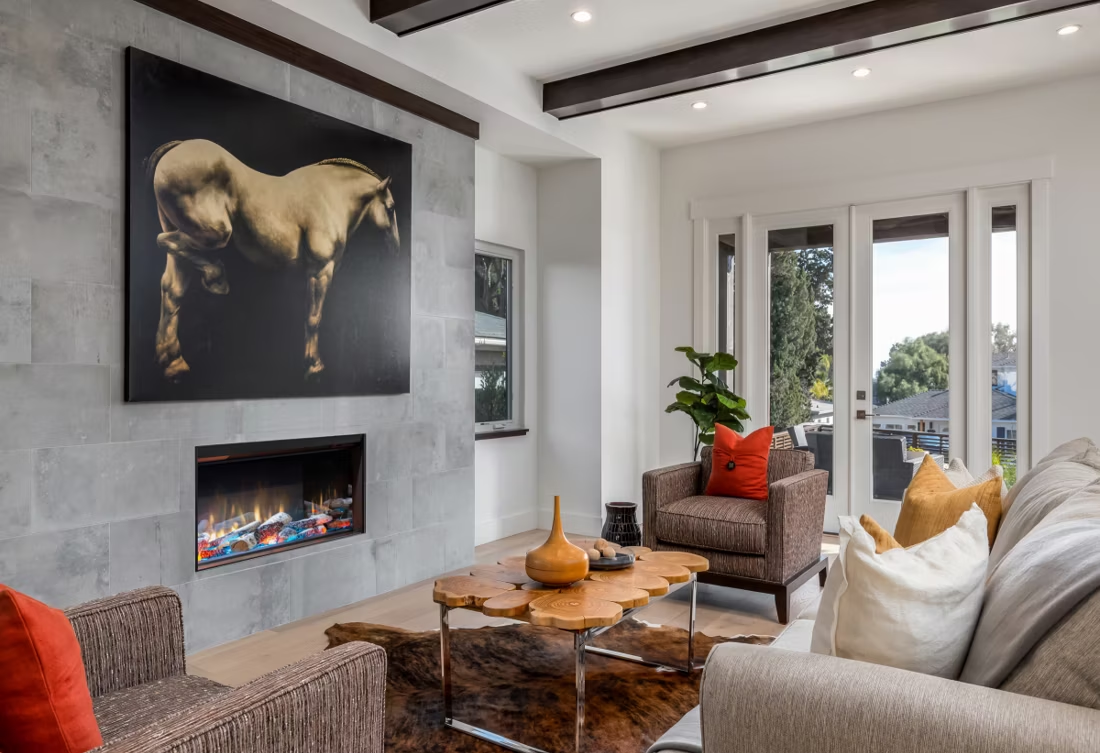
That's exactly where electric fireplaces earn their place. Thomas County has a lot of historic housing stock—antebellum homes, Victorian-era houses in Thomasville's downtown historic district, and cottages on the old plantation properties around Pebble Hill—where opening a wall for gas line work or adding a flue for a masonry fireplace isn't practical or is restricted by historic preservation guidelines. An electric insert drops into an existing fireplace opening or a stud wall, runs on a standard or dedicated circuit, and delivers instant flame effect and a modest boost of heat on the handful of genuinely cold nights the county sees each winter. No venting, no combustion, no ash—just a switch.
Three steps. No salesperson until you're ready.
Tell us about your project
Your zip code, your situation, and the fuel you're leaning toward—or let the answers point you to one.
See what's actually available
The brands dealers within 100 miles genuinely carry—real options, never a catalog mirage.
Get your dealer & Project Guide
A trusted local dealer, plus the free Project Guide & Parts List that names every component of the job.
Frequently Asked Questions
How much does an electric fireplace installation cost in Thomas County?
A plug-in electric insert or freestanding unit that uses a standard household outlet typically runs $500 to $1,500 installed, since there's no electrical work beyond plugging it in. A built-in wall unit or a recessed insert that requires a dedicated 20-amp circuit run by a licensed electrician usually lands between $1,500 and $4,000, depending on wall access and how far the unit sits from the panel. Older homes in Thomasville's historic district sometimes run slightly higher if knob-and-tube wiring or plaster walls complicate the electrical run. Local dealers will give you a firm number after seeing the space.
Do I need a permit to install an electric fireplace in Thomas County?
A plug-in unit generally doesn't require a permit since it's treated like any other appliance. A hardwired built-in unit that needs new circuit work does typically require an electrical permit—through the City of Thomasville Building Inspections Department if you're inside city limits, or through the Thomas County Building Department for homes in Boston, Meigs, Coolidge, Pavo, or unincorporated parts of the county. Most electricians and hearth dealers who handle these installs pull the permit as part of the job.
What's the best electric fireplace for Thomas County's climate?
Because Thomas County's heating season is short—winter lows average only 38°F and the county sees a light winter heating load overall—heat output matters far less here than it does up north. Look for a model with an ambiance-only mode that runs the flame effect without the heater engaging, since you'll likely use that setting more often than the heat function. Dimplex and Napoleon both make well-regarded electric inserts with independently controlled flame and heat settings, which is the feature most Thomas County homeowners end up using daily.
Electric vs. gas fireplace—which is right for my Thomas County home?
Gas is a standard, well-established option in Thomas County, but most homes outside natural gas service areas run on propane, which means a tank installation and ongoing fuel deliveries. Electric skips the fuel question entirely—no tank, no gas line, no combustion byproducts to vent. For a full-time primary heat source in a colder climate, gas has the edge in raw output. For Thomas County's mild winters, where the fireplace is doing more ambiance work than serious heating, electric is often the simpler and cheaper path, especially in historic homes where running new gas line is disruptive.
Why don't more homes in Thomas County have wood-burning fireplaces?
It's not that the wood isn't there—oak, pine, and hickory are abundant across the county—it's that the climate doesn't call for it. With winter lows averaging 38°F and a winter heating load well below what colder regions see, a wood stove sized for a real cold-climate winter would be wildly oversized for what Thomas County actually experiences. Some historic homes in Thomasville still have working masonry fireplaces and burn an occasional fire for atmosphere on the coldest nights, but wood as a primary or even meaningful supplemental heat source is genuinely rare here, and that's a fair reflection of the local climate rather than a gap in the market.
Will my electric fireplace work during a power outage?
No—electric fireplaces require power to operate, both for the flame effect and any heat output, so they go dark along with everything else in the house. This matters more in Thomas County than the mild winter numbers might suggest, since the county is in the path of tropical storm remnants moving up from the Gulf and occasionally sees outages during summer and fall storms as well as winter ice events. If backup heat during outages is a real concern for your household, a propane or natural gas unit with a standing pilot and battery-backup ignition is worth discussing with a local dealer alongside electric options.
Can I put an electric insert into my home's existing fireplace in downtown Thomasville?
In most cases, yes, and it's one of the more common projects local dealers handle in Thomasville's historic district. An electric insert slides into the existing masonry opening, and because there's no venting requirement, it doesn't disturb the chimney, the mantel, or the home's historic exterior—a real advantage for properties under local historic preservation guidelines where altering the chimney or exterior venting would require additional review. Your existing hearth and surround typically stay exactly as they are; only the firebox itself changes.
Are electric fireplaces a good fit for rentals and guest cottages in Thomas County?
Yes—plug-in electric units are popular for exactly this use across the county, from garden cottages on the old plantation properties to rental units in and around Thomasville. There's no gas line to run, no chimney to maintain, and no combustion safety concerns for a tenant to manage. A freestanding electric stove or a wall-mounted unit can be installed in an afternoon and moved if the property changes hands, which makes it a low-commitment way to add a cozy focal point to a rental without the ongoing maintenance a gas or wood unit would require.
Electric vs. pellet stove—which makes more sense here?
Pellet stoves are genuinely uncommon in Thomas County, and for good reason: even with regional pellet brands like Lignetics, Hamer Pellet Fuel, and Greenway Renewable Energy available through Southeast distribution, the county's mild climate rarely produces enough sustained cold to justify hopper-fed heat and the venting a pellet stove requires. Electric fireplaces solve the same desire for a low-maintenance, low-mess flame without needing any fuel storage or seasonal upkeep at all. For nearly all Thomas County homes, electric is the more practical of the two.
Can I put a TV above my fireplace?
Yes—with an asterisk. Fireplaces are hot and TVs don't like heat. Either put a mantel between them to deflect rising warmth, or choose a fireplace with heat-management technology that creates a cool zone on the wall above—the wall stays around 125 degrees, barely warm, while the room still gets full heat. If you like clean lines and don't want a mantel, heat management is the answer.
Does an electric fireplace need a vent or chimney?
No—that's its superpower. An electric fireplace needs a wall and an outlet, period. No vent pipe, no gas line, no clearances to design around, which is why it works in bedrooms, offices, apartments, and walls where venting a gas or wood unit would be impractical or impossible. Installation is typically the simplest and least expensive of any fireplace type.
Can I install a fireplace myself?
If you're putting a fire in your house on purpose, it's best to work with an expert. Unless you're genuinely experienced in framing, gas line, vent pipe, and the national code on clearances to combustibles, have a professional do it—and ideally the same company that sells you the fireplace, so warranty, service, and liability all live under one roof.
Does a fireplace add value to my home?
On average, a fireplace adds back to the home about the same amount you spent installing it. Add the monthly savings from heating the rooms you actually use instead of the whole house—often hundreds of dollars a year—and the value case is strong before you even count what a fire does for how your family uses the room.
Find your electric fireplace in Thomas County.
Tell us a bit about your home and we'll put together a free Project Guide & Parts List—the right electric fireplace or insert for your space, plus a match with a trusted local dealer in Thomas County who can install it correctly.
Find Your Fireplace →