
Find the right electric fireplace for your Meriwether County home.
Mild winters and a mix of historic homes and new construction across Warm Springs, Greenville, and Manchester make electric fireplaces an easy, no-mess way to add warmth and ambiance. Find the right unit and connect with a trusted local dealer.
Every Project Starts From One of These Five Situations
Warmth and ambiance without the venting.
Meriwether County sits in climate zone 3A with a winter low averaging 33 degrees and a light winter heating load—just a fraction of what a place like Bozeman, Montana logs in a typical winter. That's mild by national standards, and it shapes what actually makes sense here: most Meriwether County homes don't need a heavy-duty primary heat source, they need supplemental warmth for a chilly January evening in Warm Springs or a drafty room in an older Greenville farmhouse. Electric fireplaces fit that job well.
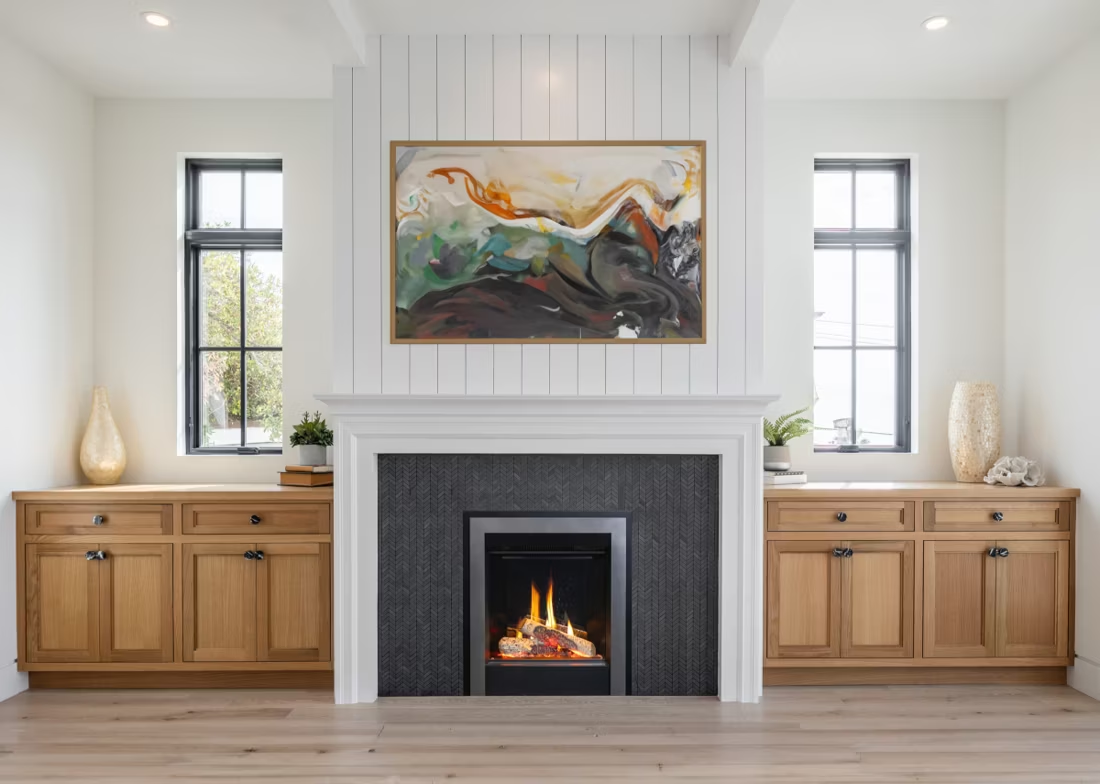
Because electric units don't require a chimney, gas line, or exterior venting, they install fast and cleanly in almost any wall, mantel, or existing masonry opening—including the historic fireplaces common in this part of Georgia. For a county with no air quality restrictions and no wood-burning curtailment days, electric isn't filling a regulatory gap; it's simply the lowest-hassle way to get instant, controllable heat and a real-looking flame in a bonus room, bedroom, or den without touching the roofline. Many homeowners here pair one with an existing wood fireplace already used for oak, pine, or hickory fires, giving them a no-fuss option for nights they don't want to build a fire.
Three steps. No salesperson until you're ready.
Tell us about your project
Your zip code, your situation, and the fuel you're leaning toward—or let the answers point you to one.
See what's actually available
The brands dealers within 100 miles genuinely carry—real options, never a catalog mirage.
Get your dealer & Project Guide
A trusted local dealer, plus the free Project Guide & Parts List that names every component of the job.
Frequently Asked Questions
How much does an electric fireplace installation cost in Meriwether County?
Most electric fireplace installations in Meriwether County run $400 to $1,200, which makes them the least expensive hearth option by a wide margin compared to wood, gas, or pellet. A basic plug-in insert or wall-mount unit sits at the lower end—often just the cost of the unit and mounting hardware. Built-in units that require a dedicated 20-amp circuit, recessed framing, or a custom mantel surround land at the higher end. Because there's no venting or gas line to run, most installs in Warm Springs, Greenville, or Manchester are completed in a single day.
Do I need an electrician to install an electric fireplace?
For a simple plug-in unit, no—it plugs into a standard household outlet like any appliance. But many electric fireplaces, especially larger built-in models, draw enough current to require a dedicated circuit, which does call for a licensed electrician. If you're converting an existing masonry fireplace opening or building a new wall installation, it's worth having an electrician confirm the circuit can handle the draw before your local dealer installs the unit. This is a quick, inexpensive step compared to the venting and gas-line work required for wood or gas installations.
Can an electric fireplace actually heat a room, or is it just for looks?
Both, depending on the model. Most electric fireplaces include a built-in fan-forced heater rated around 4,600–5,000 BTU, which is enough to noticeably warm a bedroom, den, or bonus room—plenty for Meriwether County's mild winters, where the average low sits around 33 degrees. Given the county's modest winter heating load, an electric unit is realistically sized as supplemental heat for a single room rather than a whole-home solution, which matches how most local homeowners use them: as a secondary heat source layered with central HVAC or an existing wood fireplace.
Do I need a permit to install an electric fireplace in Meriwether County?
Typically no separate hearth permit is required for a plug-in electric fireplace since there's no venting, gas line, or combustion involved. If your installation requires new electrical wiring or a dedicated circuit, that electrical work may need a permit depending on the scope—your electrician or local dealer can confirm what applies to your specific project. This is one of the simplest hearth products to install from a permitting standpoint, which is part of why they're popular for quick upgrades in both historic Greenville homes and newer construction.
What's the difference between an electric fireplace, insert, and stove?
An electric fireplace is typically a built-in unit installed into a wall or framed enclosure, often with a mantel surround. An electric insert is sized to drop into an existing masonry fireplace opening—a common choice for older Meriwether County homes with a wood-burning fireplace that's rarely used. An electric stove is a freestanding cabinet-style unit that can sit anywhere near an outlet, no fireplace opening required. For most local homeowners looking to update an existing fireplace without touching the chimney, an insert is the straightforward choice.
How realistic do modern electric fireplace flames look?
Modern LED flame technology has improved significantly over the older models people may remember. Current units from major manufacturers use layered LED lighting and reflective mediums to produce a flame effect with real depth and movement, often adjustable for color and brightness independent of the heater. It's not an open flame, but for ambiance in a Meriwether County living room or bedroom, most homeowners find today's units convincing enough that guests ask if it's a real fire.
Will an electric fireplace work during a power outage?
No—electric fireplaces require power to operate, both for the flame effect and any heat output, so they won't function during an outage. For Meriwether County homeowners who want a backup heat source during winter storms, a wood-burning fireplace or stove is the better complement, since it can operate independent of the grid. Many local homes pair the two: an existing wood fireplace for emergency or primary heat, and an electric unit in another room for everyday convenience and lower operating cost.
How much does it cost to run an electric fireplace?
Operating cost depends on your electricity rate and how often you run the heater function, but most electric fireplaces cost only pennies per hour when running on flame-only mode (no heat), and roughly 15-25 cents per hour with the heater engaged at typical residential electric rates. Given Meriwether County's mild winter profile, most homeowners use the heater intermittently rather than continuously, which keeps monthly operating costs modest compared to running central heat throughout a whole house.
Electric vs. gas—which is right for my Meriwether County home?
Gas offers stronger heat output, works during power outages with the right ignition system, and can serve as a more substantial secondary heat source. Electric is far less expensive to install, requires no gas line or venting, and can go anywhere there's an outlet—including rooms where running gas line isn't practical. For Meriwether County's mild climate and modest heating demand, electric is often the simpler and more cost-effective choice for ambiance and light supplemental warmth, while gas makes more sense for homeowners who want a stronger, more fireplace-like heat source in a primary living area.
Can I put a TV above my fireplace?
Yes—with an asterisk. Fireplaces are hot and TVs don't like heat. Either put a mantel between them to deflect rising warmth, or choose a fireplace with heat-management technology that creates a cool zone on the wall above—the wall stays around 125 degrees, barely warm, while the room still gets full heat. If you like clean lines and don't want a mantel, heat management is the answer.
Does an electric fireplace need a vent or chimney?
No—that's its superpower. An electric fireplace needs a wall and an outlet, period. No vent pipe, no gas line, no clearances to design around, which is why it works in bedrooms, offices, apartments, and walls where venting a gas or wood unit would be impractical or impossible. Installation is typically the simplest and least expensive of any fireplace type.
Does a fireplace add value to my home?
On average, a fireplace adds back to the home about the same amount you spent installing it. Add the monthly savings from heating the rooms you actually use instead of the whole house—often hundreds of dollars a year—and the value case is strong before you even count what a fire does for how your family uses the room.
Can a fireplace actually lower my heating bill?
Yes—by creating a comfort zone. A furnace heats every square foot of the house just to warm the one room you're in; a gas fireplace on low burns roughly a sixth of the gas a typical furnace does. Set the furnace around 55–60 degrees as a baseline, then heat the rooms your family actually uses. Families who heat this way commonly save $20–$60 a month.
Find your electric fireplace in Meriwether County.
Tell us a bit about your home and we'll match you with the right electric fireplace or insert—plus a free Project Guide & Parts List and a trusted local dealer to install it.
Find Your Fireplace →