
Warm Up Without the Oil Truck or the Sky-High Electric Bill.
Instant, thermostat-controlled heat for Norwalk's coastal winters—without running an oil furnace or paying Connecticut's steep electric rates to heat one room. Find the right gas unit and connect with a trusted local dealer.
Every Project Starts From One of These Five Situations
Fairfield County runs on oil-to-gas conversions.
Norwalk sits at just 126 feet above sea level on Long Island Sound, with average winter lows around 22°F and a winter chill score of about 5,358—a real six-month heating season, but far milder than inland New England cities like Burlington, VT, which see a chill score near 8,000 for the winter. Older homes throughout East Norwalk, Rowayton, and the historic streets near SoNo were built decades ago with oil-fired boilers and masonry fireplaces that mostly sat unused except for ambiance on cold nights.
That's changing fast. With residential electricity running $0.25 to $0.31 per kWh between United Illuminating, Connecticut Light & Power, and the Norwalk Third Taxing District—among the higher rates in the country—heating a room with electric resistance heat is genuinely expensive. Natural gas service reaches most of Norwalk's established neighborhoods, with propane filling in for pockets closer to the harbor or older rural lots without gas mains. A direct-vent gas insert or fireplace turns an idle masonry fireplace, or an aging oil-dependent house, into a source of instant, efficient zone heat you can run without firing up the whole furnace.
Three steps. No salesperson until you're ready.
Tell us about your project
Your zip code, your situation, and the fuel you're leaning toward—or let the answers point you to one.
See what's actually available
The brands dealers within 100 miles genuinely carry—real options, never a catalog mirage.
Get your dealer & Project Guide
A trusted local dealer, plus the free Project Guide & Parts List that names every component of the job.
Frequently Asked Questions
How much does a gas fireplace installation cost in Norwalk?
In Fairfield County, a typical gas fireplace or insert installation runs roughly $4,500 to $10,500 depending on the unit, the venting path, and whether new gas line work is needed. A direct-vent insert dropped into an existing masonry fireplace in an East Norwalk colonial—with a gas line already run to the house—lands on the lower end. A new built-in gas fireplace for a remodel or addition, requiring fresh gas piping and venting through an exterior wall, runs higher. Homes on propane instead of natural gas may also need a tank installed, which adds to the total. Local dealers will give you a firm number after seeing the space in person.
Can I convert my old oil-heated home's fireplace to gas?
Yes—it's one of the most common projects for older Norwalk housing stock. Many homes built mid-century with oak or maple mantels and a rarely-used masonry firebox are strong candidates for a gas insert: the existing chimney gets a stainless liner, the insert seals the opening, and you gain real, controllable heat instead of a decorative box that just loses warm air up the flue. Typical cost runs $4,000 to $9,000, with homes already on natural gas service coming in lower than those needing a propane tank or a longer gas line run from the street.
Is natural gas available everywhere in Norwalk, or do I need propane?
Most of Norwalk's core neighborhoods—including areas around SoNo, East Norwalk, and central Norwalk near zip codes 06850 and 06851—have natural gas mains in the street. Some outlying pockets, particularly parts of Rowayton and older rural-feeling lots, don't have gas service nearby, and propane from a local regional supplier is the standard workaround. Either fuel runs the same fireplace hardware; your installer just sets up the correct orifice and regulator for the gas type you have.
Will my gas fireplace still work if the power goes out?
Most modern gas fireplaces will, which matters in a coastal city like Norwalk where Nor'easters and the occasional tropical storm remnant off the Sound can knock out power for days. Units with IPI (intermittent pilot ignition) run on a battery backup—usually a few AA batteries in the unit—that kicks in automatically and lets the fireplace light on demand just like normal. Valor fireplaces go a step further: their pilot's thermocouple generates its own electricity, so there's no battery to remember or replace, ever. For a house near Long Island Sound where storm outages aren't rare, that's worth asking your local dealer about directly.
What's the difference between a gas fireplace, gas insert, and gas stove?
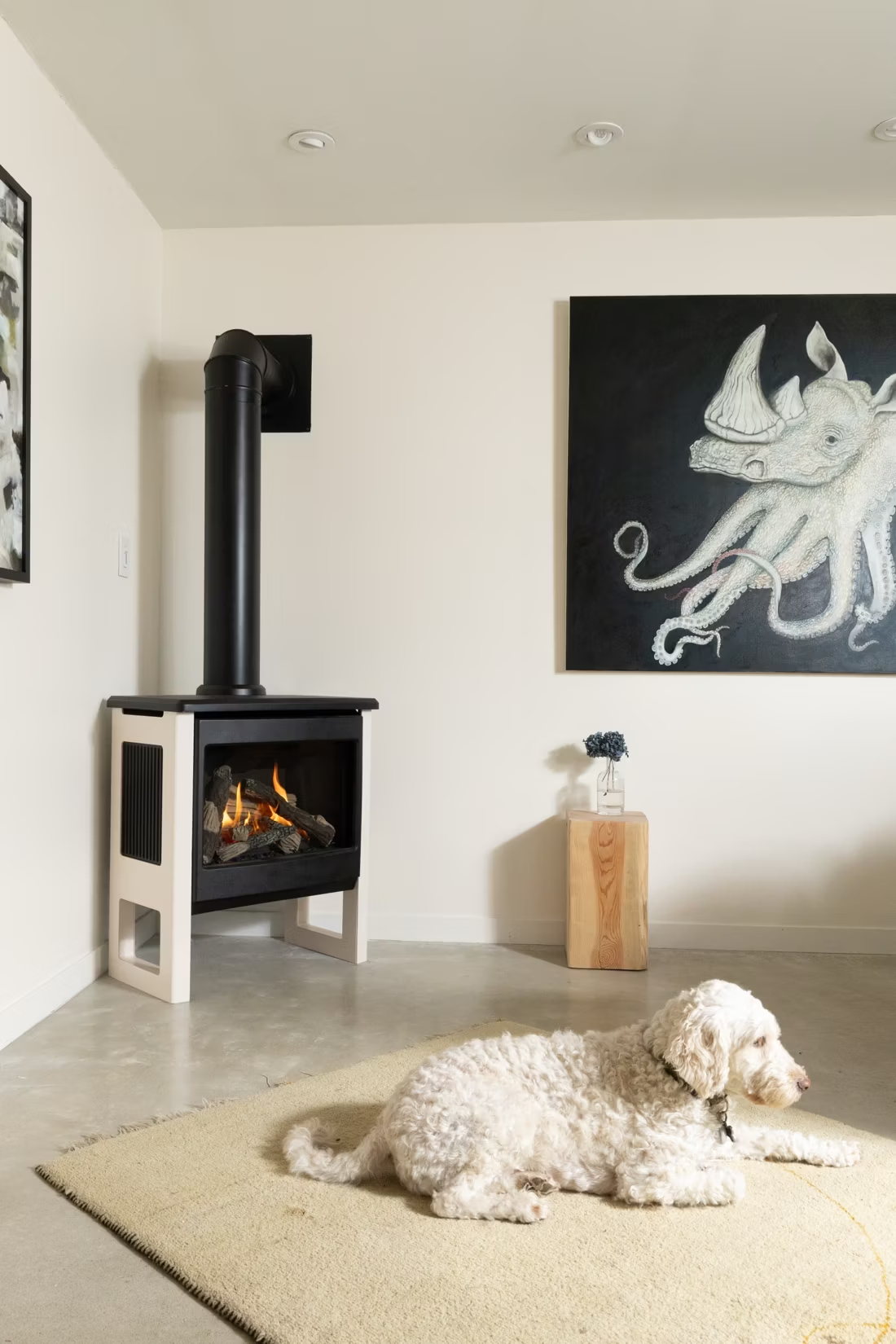
A gas fireplace is a fully built-in unit framed into a wall—the right call for new construction or a remodel without an existing chimney. A gas insert slides into an existing masonry firebox, using your current chimney (relined) as the vent path—the common choice for Norwalk's older homes with a fireplace that's currently more decorative than functional. A gas stove is freestanding, sitting on its own hearth pad, and works well in a room without any existing fireplace opening at all. Most Norwalk homeowners with an existing masonry fireplace end up choosing an insert.
Do I need a permit to install a gas fireplace in Norwalk?
Yes. The City of Norwalk Building Department requires a building permit for the fireplace installation and a separate gas permit for any gas line work, which must be pulled by a licensed gas fitter. Most established local dealers handle both permits as part of the installation contract, coordinating the gas line, venting, and inspection so you're not left managing separate trades yourself. Skipping the permit is a common shortcut with unlicensed installers—one worth avoiding, since it can complicate insurance and resale down the line.
Should I get a vented or vent-free gas fireplace?
Vented (direct-vent) gas fireplaces draw combustion air from outside and exhaust it back outside through sealed venting—they're the most common choice in Norwalk and work in nearly any room configuration. Vent-free units burn gas directly into the room without external venting; they're permitted in Connecticut but come with strict room-size and ventilation requirements, and some homeowners are uncomfortable with any combustion byproducts released indoors. For most Norwalk installations, especially in older homes with an existing chimney already available to vent through, direct-vent is the more straightforward and more commonly recommended option.
How often does a gas fireplace need to be serviced?
Plan on an annual inspection, ideally before the heating season starts in the fall. A technician checks the burner, pilot assembly, venting, and gas connections, and cleans the glass and interior—a much lighter job than a wood-stove chimney sweep, but just as important for safe operation. In the Norwalk area, an annual gas fireplace inspection typically runs $150 to $250 through a local hearth or HVAC service provider.
Gas vs. electric fireplace—which makes more sense in Norwalk?
Given Norwalk's residential electric rates of roughly $0.25 to $0.31 per kWh across United Illuminating, CL&P, and the Norwalk Third Taxing District, running an electric fireplace as a real heat source (not just supplemental ambiance) gets expensive fast—electric units are essentially space heaters with a nicer face. Gas fireplaces cost more upfront to install but deliver real, sustained heat output at a lower operating cost per BTU, and they don't require a dedicated outlet or careful load management on an older home's electrical panel. Electric inserts still make sense for apartments, condos, or rentals where venting isn't possible at all—but for a single-family home in Norwalk with access to gas or propane, gas is usually the better long-term heat source.
Why is my open fireplace making my house colder?
Open fireplaces suck—literally. As the fire burns, it consumes air your furnace already paid to heat and pulls it out through the chimney, so the house is actually colder after the fire goes out than before you lit it. An insert fixes this: it seals the chimney, puts fixed glass across the front, and turns that hole in your house into a real heat source.
Can I put a TV above my fireplace?
Yes—with an asterisk. Fireplaces are hot and TVs don't like heat. Either put a mantel between them to deflect rising warmth, or choose a fireplace with heat-management technology that creates a cool zone on the wall above—the wall stays around 125 degrees, barely warm, while the room still gets full heat. If you like clean lines and don't want a mantel, heat management is the answer.
Can I install a fireplace myself?
If you're putting a fire in your house on purpose, it's best to work with an expert. Unless you're genuinely experienced in framing, gas line, vent pipe, and the national code on clearances to combustibles, have a professional do it—and ideally the same company that sells you the fireplace, so warranty, service, and liability all live under one roof.
What is an in-home preview and do I need one?
It's a visit where a hearth professional measures your space, confirms the model you picked actually works in your home, and walks the specs—framing, gas line, venting, finish work—before anything is ordered. Some details you just can't know until you see the house. Never make a down payment without one; it's the single most-skipped step that burns buyers.
Nearby Dealers
Hearth shops serving Norwalk and the surrounding area. Every listing shows whether it is a WhyFire partner, a dealer we have verified as authorized for the brands we recommend, or a local business carrying hearth products. No manufacturer pays for placement. How we verify dealers →
Hocon Gas Of Norwalk
Hearth Products, LLC
Nordic Stove And Fireplace Center
Fireplace And Outdoor Living
Westfair Pool & Spa Inc
Best In Backyards
Aida Design Build
Village Fireplace
The Valley Fireplace
Northshore Fireplace
Leahy’s Metered Gas Service
Westchester Fireplace
Costello's Hearth & Spa - Smithtown
Long Island Fireplace
All Shore Appliance
Fire Glow Distributors, Inc.
House Of Warmth Stove & Fireplace Shop
The Trading Post
Find your gas fireplace in Norwalk.
Tell us about your home and your existing fireplace or chimney, and we'll put together a free Project Guide & Parts List—the right gas fireplace or insert, the vent kit it needs, and a trusted local Norwalk-area dealer to install it.
Find Your Fireplace →