
Find your fireplace along the Sunshine Coast.
Wood, gas, pellet, and electric fireplace resources for every ferry-linked community from Langdale and Gibsons through Sechelt, Halfmoon Bay, and Pender Harbour. Pick a fuel and we'll match you with a local dealer who actually installs and services it out here.
Every Project Starts From One of These Five Situations
A mild coastal climate where wood heat is backup, not survival.
The Sunshine Coast Regional District runs along Highway 101 from Langdale and Gibsons through Sechelt, Halfmoon Bay, and Pender Harbour to Egmont, with BC Ferries as the only road connection to the Lower Mainland. Climate zone 4C and an average winter low near 3.6°C put this stretch of coast closer to Nanaimo or Victoria than to the interior—nowhere near the minus-30 nights a place like Prince George or Whitehorse sees most winters. Firewood here typically comes from Douglas fir, paper birch, lodgepole pine, and western larch, much of it cut under permits through FrontCounter BC and the BC Ministry of Forests on Crown land inland from the coast.
The bigger factor shaping hearth decisions out here isn't cold, it's isolation. Storms off the Strait of Georgia routinely knock out power for hours or days, and a ferry-dependent grid means service crews and parts can take longer to arrive than they would in Vancouver. That's a big part of why wood and pellet stoves stay popular even with mild winters—they keep a home warm when BC Hydro is down. Natural gas service through FortisBC reaches the Gibsons-to-Sechelt corridor, while homes further along Highway 101 toward Pender Harbour typically run on propane instead. Interior valleys around Sechelt Inlet and Ruby Lake see winter inversions and occasional smoke advisories, which is why several regional districts here run wood-stove exchange programs and require CSA or EPA-certified appliances for new installs. Every new wood appliance also has to meet CSA B365 installation code, and most insurers ask for a WETT inspection before they'll cover a wood-burning system. This hub rolls up hearth retailers, service techs, and fuel suppliers across the whole region—pick your fuel below for local dealers, install costs, and recommendations specific to your stretch of the coast.
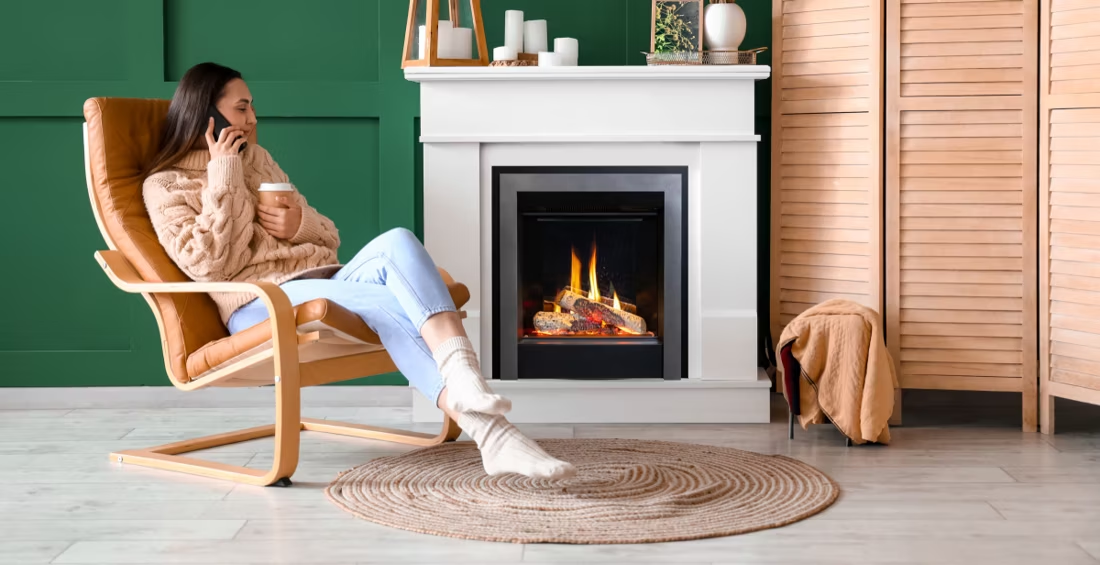
Four fuels. One honest answer for Sunshine Coast.
Three steps. No salesperson until you're ready.
Tell us about your project
Your postal code, your situation, and the fuel you're leaning toward—or let the answers point you to one.
See what's actually available
The brands dealers within 100 miles genuinely carry—real options, never a catalog mirage.
Get your dealer & Project Guide
A trusted local dealer, plus the free Project Guide & Parts List that names every component of the job.
Frequently Asked Questions
Which fireplace fuel makes the most sense on the Sunshine Coast?
All four fuels work here, and the right pick usually comes down to how you want to handle a power outage more than how cold it gets. Winters are mild—average lows sit around 3.6°C, nothing like the deep cold Prince George or Whitehorse deal with—so wood and pellet stoves burning local Douglas fir, paper birch, or lodgepole pine are less about surviving the season and more about keeping the house warm when a Strait of Georgia storm takes the power out, which happens most winters somewhere along Highway 101. Natural gas through FortisBC is a strong option in the Gibsons-to-Sechelt corridor for homeowners who want set-it-and-forget-it heat, while homes further up the coast toward Pender Harbour usually run propane instead. Electric fireplaces are common as a supplemental unit in bedrooms or additions, but they go dark in the same outages that make wood and pellet appealing in the first place.
Do I need a permit to install a wood stove or fireplace insert here?
Yes. New wood-burning appliances need to meet CSA or EPA emissions standards, the installation itself has to follow CSA B365 code, and you'll pull a permit through your municipal building department—Gibsons, Sechelt, and the regional district each handle their own permitting for the areas they cover. Gas installations need a separate gas permit and a licensed gas fitter, particularly for anything tied into FortisBC service. Most retailers we match homeowners with handle this paperwork as part of the project, so it's rarely something you're chasing down on your own.
Why do I keep hearing about wood-stove exchange programs and smoke advisories?
The interior valleys around Sechelt Inlet and Ruby Lake can trap cold, still air in winter the same way larger interior basins do, which occasionally triggers smoke advisories on calm days. Several regional districts along the coast run wood-stove exchange programs that offer a rebate for swapping an old, uncertified stove for a new CSA or EPA-certified unit, which burns cleaner and uses less wood for the same heat output. If you're buying a home with an older stove already installed, it's worth checking whether it's certified before you count on it as your primary or backup heat source.
Is natural gas available everywhere on the Sunshine Coast?
No, and this is one of the first things worth checking before you fall in love with a gas fireplace or insert. FortisBC's mains service runs through the Gibsons-to-Sechelt corridor and the more built-up parts of Highway 101, but homes further out toward Halfmoon Bay, Pender Harbour, and Egmont typically aren't on the gas main and rely on bottled or bulk propane instead. A local dealer can confirm what's actually available at your address before you commit to a unit, which is a big part of why we match you with someone who knows the coast rather than a big-box store guessing from a map.
How much do power outages actually factor into heating decisions out here?
More than most newcomers expect. The coast is served by a single BC Hydro line and a single BC Ferries connection, and a winter windstorm off the Strait of Georgia can take out power for a day or more while crews work their way down the highway. That's the real argument for keeping a wood or pellet stove in the house even if you heat primarily with gas or electric—it's not about the mild average winter low, it's about having a heat source that doesn't need the grid. It's also worth asking your dealer about a battery backup for gas fireplaces with electronic ignition, since those units won't light without power either.
What does a fireplace installation typically cost on the Sunshine Coast?
Costs depend on the fuel and how much venting or gas-line work is involved, and pricing here can run a bit higher than the Lower Mainland because materials and crews often travel by ferry. Wood stove or insert installs typically run $4,500-$9,000 CAD, more if you're adding a full chimney system. Gas fireplaces and inserts run roughly $4,500-$11,000 CAD depending on whether you're extending FortisBC service or converting to propane. Pellet stove or insert installs generally land around $4,500-$7,500 CAD. Electric fireplaces are the exception—$200-$3,000 CAD for the unit, plus $400-$1,200 CAD in labor for anything beyond a plug-in placement. The region and fuel pages above break these down further with local retailer pricing.
How many BTUs do I need in a fireplace?
Wrong question—and the industry's favorite way to confuse you. More BTUs isn't better if the fireplace cooks you out of the room you spent thousands to enjoy. Think in terms you can verify: how many square feet the unit heats, whether it's primary or backup heat, and whether you want it running overnight. Those three answers size a fireplace correctly every time.
Will we actually use a fireplace once we have one?
In my own home, the room with the fireplace has never been the same—it became the social hub. Game nights, holidays, date nights after the kids are down: the fire is where the house gathers. There's a reason people in this industry joke that we're really in the romance and entertainment business. You won't wonder whether you'll use it; you'll wonder how the room worked before.
What does it take to replace an existing fireplace?
Fireplaces are like icebergs—bigger behind the wall than in front of it. Replacement means removing the surrounding tile or stone (the finish material laps onto the fireplace face), pulling the old unit, setting the new one in the same enclosure, and re-finishing the wall. A hearth professional can determine what's behind your wall without demolition during an in-home preview.
I know I want a fireplace—where do I actually start?
Do two things today: snap a photo of the wall or fireplace you want to transform, and take a tape measure to the space—width, height, depth. Those two artifacts answer most of a hearth professional's first questions. Then settle fuel (wood, gas, pellet, or electric) and set a realistic budget: $3,900–$5,500 covers fireplace, vent, and basic install for most homes.
Stove and Fireplace Dealers in Sunshine Coast
Listings include WhyFire partner dealers, dealers we have verified as authorized for the brands we recommend, and established local businesses that carry hearth products. Every listing shows which one it is. The ones marked Preferred run on WhyFire's software, so they can show you real pricing and book your appointment right here. No manufacturer pays for placement. How we verify dealers →
Coastal Wood And Gas Guy Heating And Installations Ltd
Gibson’s Building Supplies
Delco Fireplaces (Vancouver Island) Ltd
Get matched with a trusted Sunshine Coast dealer.
Pick your fuel below and we'll put together a free Project Guide & Parts List—the right unit, the vent kit it needs, and the local dealer we recommend for your stretch of the coast.
Find Your Fireplace →