
Zero-clearance heat for Hope's mild, wet winters.
Hope sits where the Coquihalla meets the Fraser, with winter lows averaging -4.9°C rather than the deep freezes you'd get further up the canyon. An electric fireplace or insert fits that climate well, and I'll match you with a trusted local dealer who can tell you exactly what your home needs.
Every Project Starts From One of These Five Situations
A climate that doesn't demand a furnace-grade stove.
Hope's location at the mouth of the Fraser Canyon puts it in climate zone 6B, but the marine influence coming up the valley keeps things noticeably gentler than the Interior towns just an hour up Highway 1. An average winter low of -4.9°C is mild next to Prince George or Kamloops, and while the heating season here is real, it's rarely the kind of cold that demands a wood stove running around the clock. That's exactly the gap an electric fireplace is built for: supplemental warmth and ambiance in a living room, basement suite, or bedroom, without asking a household to manage a chimney.
Plenty of Hope homes still burn Douglas fir, paper birch, lodgepole pine, or western larch, and cutting permits through FrontCounter BC are free year-round outside of summer fire restrictions. But Fraser Valley winter inversions bring smoke advisories often enough that a growing number of households are adding an electric unit as their day-to-day fireplace and keeping wood or gas for backup. Both BC Hydro and FortisBC (Electric) serve the area at a residential rate around 11.4 cents per kWh, among the lower electricity rates in the country, and a plug-in or built-in electric insert typically installs for $500 to $1,600 CAD, far below the venting and permit costs that come with wood or gas.
Three steps. No salesperson until you're ready.
Tell us about your project
Your postal code, your situation, and the fuel you're leaning toward—or let the answers point you to one.
See what's actually available
The brands dealers within 100 miles genuinely carry—real options, never a catalog mirage.
Get your dealer & Project Guide
A trusted local dealer, plus the free Project Guide & Parts List that names every component of the job.
Frequently Asked Questions
How much does an electric fireplace installation cost in Hope?
Most electric installs in Hope run $500 to $1,600 CAD. A plug-in insert or freestanding unit at the low end needs nothing more than an existing outlet. A built-in wall unit or a conversion into an old masonry firebox costs more because it usually needs a licensed electrician to run a dedicated circuit, especially in older Hope homes near downtown where the original wiring wasn't sized for a 1,500-watt appliance. Either way, there's no chimney, no gas line, and no venting to budget for, which keeps the whole project well under wood or gas pricing.
Do I need a permit for an electric fireplace in Hope?
A simple plug-in unit generally doesn't trigger any permit at all. A built-in electric fireplace tied into a new dedicated circuit is electrical work, so your installer or electrician typically pulls an electrical permit through the municipal building department. There's no WETT inspection requirement either, since that only applies to combustion appliances—one of the practical advantages of going electric if your insurer has ever asked questions about a wood stove.
Electric vs. wood—which makes more sense for a Hope home?
Wood still has real appeal here: Douglas fir and lodgepole pine are common in the bush around Hope, and a FrontCounter BC cutting permit is free for most of the year outside summer fire restrictions. But the Fraser Valley gets winter inversions and smoke advisories, and several regional districts around Hope run wood-stove exchange programs pushing older uncertified stoves out of service. An electric fireplace adds zero particulate matter on an advisory day and needs no chimney, which is why a lot of households keep wood for backup heat and character, and add electric for the unit they actually run most evenings.
Electric vs. gas—what's the real tradeoff in Hope?
FortisBC (Gas) and Pacific Northern Gas both serve the Hope area, and a gas fireplace installed here typically runs $6,000 to $15,000 CAD with real heat output and the look of a live flame. An electric fireplace costs a fraction of that—$500 to $1,600 CAD—but produces less usable heat and a flame effect rather than combustion. For a secondary suite, a rental unit, or a room where running a gas line isn't practical, electric is the straightforward answer. For a primary living space where you want a fireplace to meaningfully offset the furnace, gas is the better fit despite the higher upfront cost.
Can an electric fireplace actually heat a room in Hope's winters?
A typical 1,500-watt electric fireplace puts out roughly 5,000 BTU, enough to noticeably warm a bedroom or a small living room, especially in a climate as mild as Hope's -4.9°C average winter low. It won't replace a furnace or heat pump as your main heat source for the whole house, and I wouldn't sell it that way—but as a zone heater for the room you actually spend evenings in, it does real work here without the cordwood or the gas bill.
What's the best use case for an electric fireplace in a Hope home?
The most common fit locally is a basement suite or secondary rental unit where running a gas line or building a chimney isn't realistic for the landlord, plus condos and townhomes along the highway corridor where strata rules restrict combustion appliances outright. Another popular option: converting an old, unused masonry wood fireplace into an electric insert. You keep the mantel and the look, lose the maintenance and the smoke, and the conversion itself is one of the cheaper projects a local dealer can quote.
How much does it cost to run an electric fireplace in Hope?
At the BC Hydro and FortisBC (Electric) residential rate of roughly 11.4 cents per kWh, a standard 1,500-watt unit costs about 17 cents an hour to run on high. Left on for a typical evening—say four hours—that's under a dollar. It's a small enough number that most households don't think twice about running it daily through the fall and winter, which is part of why electric has become the default second fireplace in a lot of Hope homes.
Are electric fireplaces safer than wood or gas for families in Hope?
There's no open flame, no combustion byproducts, and no hot glass in most models, which makes electric units genuinely lower-risk around kids and pets compared to a wood stove or gas insert. There's also no chimney to maintain and no risk of a flue fire. The one thing electric doesn't solve is a power outage—unlike a wood stove, it goes dark the moment BC Hydro's lines go down, which is worth factoring in if you're in one of the more exposed parts of town along the highway.
Can I put an electric insert into my existing wood fireplace?
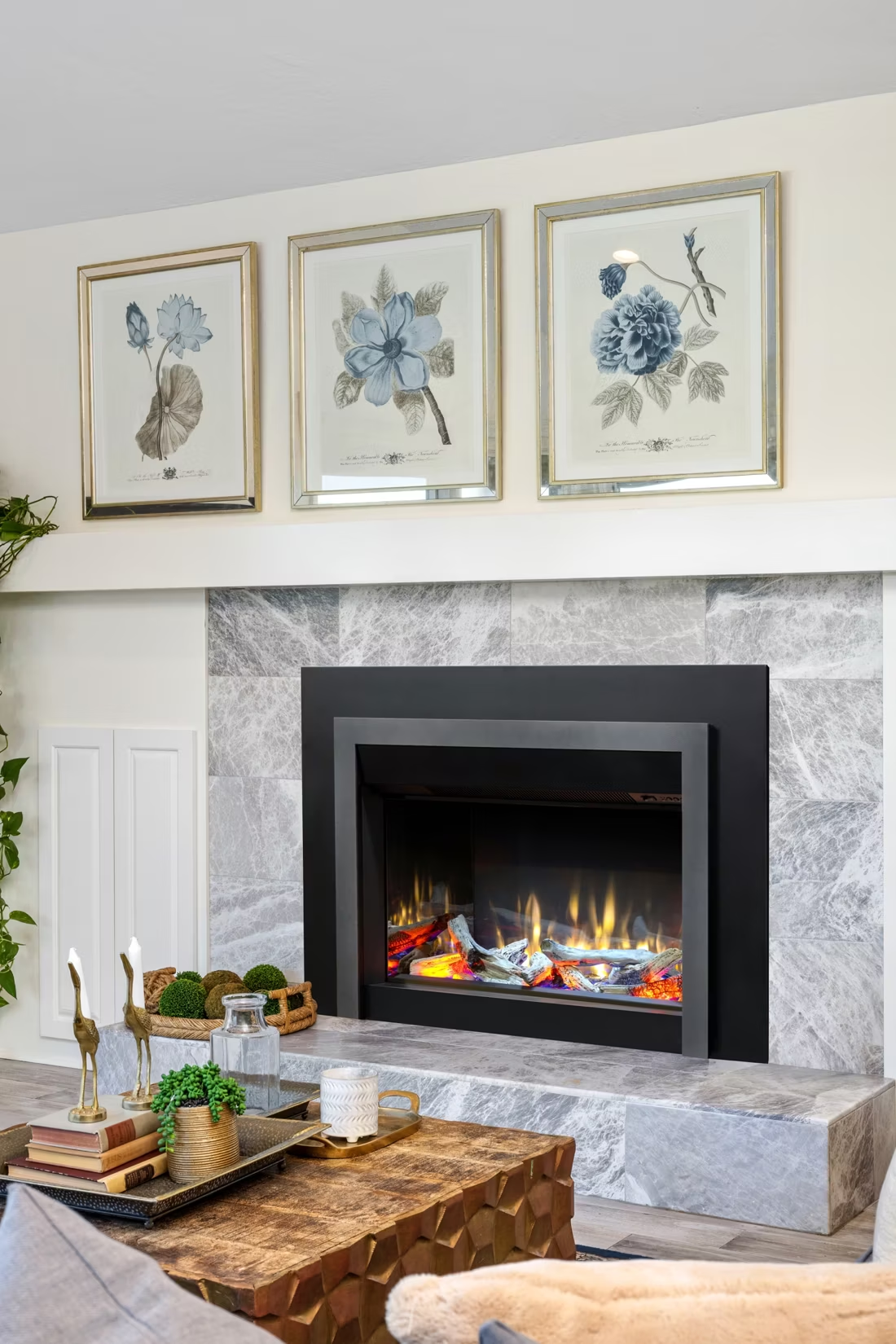
Yes, and it's a common retrofit in Hope's older homes that still have a working masonry firebox from decades of burning Douglas fir or western larch. An electric insert slides into the existing opening, uses the mantel and surround you already have, and needs a nearby outlet or a short circuit run rather than any chimney work. It's usually the least expensive electric project a local dealer will quote, since the firebox and hearth are already built.
How much does an electric fireplace cost to run?
With the heater on, a typical unit draws about 1,500 watts—at average electric rates that's roughly 20 cents an hour. Run the flame effect alone and it costs pennies; the flames are LED-driven and use about as much power as a light bulb. There's no pilot light, no fuel delivery, and essentially no maintenance.
What fireplace styles should I know before shopping?
Four cover most of the market: screen-front traditional (mesh front, open feel, fits craftsman homes), traditional door set (the classic look you grew up with), modern linear (wide, low, the statement piece for entertaining), and clean face contemporary (no trim—your tile or stone runs right to the fire's edge). Walk in knowing those four terms and you're ahead of most buyers.
Do electric fireplaces actually produce heat?
Yes—most put out around 4,800–5,000 BTUs from a standard outlet, which comfortably warms a bedroom, office, or den as a comfort-zone heater. What they won't do is carry a whole house the way wood, gas, or pellet can. Think of electric as ambiance-first with honest supplemental heat: flames on with no heat in July, flames plus warmth in January.
Does an electric fireplace need a vent or chimney?
No—that's its superpower. An electric fireplace needs a wall and an outlet, period. No vent pipe, no gas line, no clearances to design around, which is why it works in bedrooms, offices, apartments, and walls where venting a gas or wood unit would be impractical or impossible. Installation is typically the simplest and least expensive of any fireplace type.
Nearby Dealers
Hearth shops serving Hope and the surrounding area. Every listing shows whether it is a WhyFire partner, a dealer we have verified as authorized for the brands we recommend, or a local business carrying hearth products. No manufacturer pays for placement. How we verify dealers →
Dagg's Fireplace Shop
Electric Service in Hope
An electric fireplace's heater draws about 1,500 watts—pennies per hour at local rates.
Bc Hydro
FortisBC (Electric)
Get your free Project Guide & Parts List for a Hope electric fireplace.
Tell me about your home, whether you're on BC Hydro or FortisBC (Electric), and what you're hoping to heat, and I'll match you with a trusted local dealer and send a free Project Guide & Parts List with the exact unit and circuit requirements your project needs.
Find Your Fireplace →