
Zero-venting heat built for Fraser Valley's mild, damp winters.
With winter lows averaging just 0.4°C, the Fraser Valley rarely needs a furnace running flat-out—it needs supplemental heat that goes in fast, with no chimney, no gas line, and no combustion byproducts. I'll match you with a local dealer who knows which unit actually suits your room and your electrical panel, then send you a free planning packet.
Every Project Starts From One of These Five Situations
A marine climate that plays to electric's strengths.
The Fraser Valley—Abbotsford, Chilliwack, Mission, Kent, Hope, and Harrison Hot Springs—sits in climate zone 4C, a marine zone where the heating season is long on damp, grey weeks rather than deep freezes. A winter low averaging 0.4°C means most homes here rarely see the kind of cold that hits Prince George or Fort McMurray; the ask is usually to take the chill off a living room or add supplemental warmth to a bonus space, not to fight off a minus-30 night. That makes electric fireplaces a genuinely practical fit for a lot of the region's 324,351 residents, not just a decorative afterthought.
It also helps that the valley has real air quality constraints on combustion appliances. Interior stretches of the region see winter inversions and smoke advisories, and several regional districts here run wood-stove exchange programs and require CSA or EPA-certified appliances for anything that burns. Electric sidesteps all of that—no emissions, no WETT inspection, no chimney to maintain—which is a big reason it shows up so often in Fraser Valley strata buildings, secondary suites, and older Abbotsford and Chilliwack homes that were never plumbed for FortisBC natural gas. It won't replace a furnace or a full gas system, but for the mild swings this climate actually produces, it does real, useful work.
Three steps. No salesperson until you're ready.
Tell us about your project
Your postal code, your situation, and the fuel you're leaning toward—or let the answers point you to one.
See what's actually available
The brands dealers within 100 miles genuinely carry—real options, never a catalog mirage.
Get your dealer & Project Guide
A trusted local dealer, plus the free Project Guide & Parts List that names every component of the job.
Frequently Asked Questions
How much does an electric fireplace installation cost in the Fraser Valley?
Most electric fireplace projects here run $500 to $1,600 CAD. A plug-in insert dropped into an existing masonry firebox sits at the low end—no electrical work beyond an existing outlet. A built-in wall unit or a model that needs a dedicated 240-volt circuit run by a licensed electrician lands toward the top of that range. Homes in Chilliwack or Mission with an older electrical panel sometimes need a small panel upgrade first, which your dealer will flag before quoting the job.
Do I need a permit for an electric fireplace in the Fraser Valley?
Usually just an electrical permit through your local municipal building department—Abbotsford, Chilliwack, and Mission each handle their own—and only if new wiring or a dedicated circuit is involved. Because there's no combustion and no chimney, you skip the building permit and inspection process that applies to wood or gas appliances, and there's no WETT inspection to schedule for insurance purposes. A straightforward insert swap into an existing fireplace opening often needs no permit at all.
Electric vs. gas—which makes more sense for my Fraser Valley home?
FortisBC natural gas is widely available across the valley, and a gas fireplace runs $6,000 to $15,000 CAD installed with real, whole-room heat output and the look of a live flame. Electric costs a fraction of that but tops out as supplemental heat—enough to warm a den or take the edge off a bonus room, not enough to carry a whole house through a cold snap. Given that Fraser Valley winters average just above freezing, a lot of homeowners find electric covers the actual need, especially in a condo or a home without an existing gas line.
Will an electric fireplace actually heat my living room, or is it just for looks?
A quality electric insert or built-in unit puts out real supplemental heat, typically in the range that comfortably warms a single room in the mild Fraser Valley climate, where a winter low of 0.4°C means most homes aren't fighting sustained deep cold. It's not sized to replace your primary heat pump or furnace, but for a living room, a converted garage suite, or a secondary bedroom in Chilliwack or Mission, it's often all the extra heat that season actually calls for.
Can I put an electric insert into my existing wood fireplace?
Yes, and it's one of the more common projects local dealers handle across the valley—especially in older Abbotsford and Mission homes with a masonry firebox that's no longer used for wood burning. The insert drops into the existing opening, plugs into a standard or dedicated circuit depending on the model, and needs no liner, no chimney sweep, and no WETT inspection since there's no combustion happening. It's also a straightforward way to keep the fireplace look in a strata unit where wood-burning appliances aren't permitted.
How do the region's wood-stove exchange programs and smoke advisories affect electric fireplace buyers?
They don't restrict electric at all—that's part of the appeal. Several regional districts within the Fraser Valley run exchange programs that swap out older, uncertified wood stoves and require CSA or EPA-certified replacements, and interior parts of the valley see winter inversions that trigger smoke advisories some cold, still nights. Electric fireplaces produce no smoke and no emissions, so they're never affected by an advisory and never subject to the certification rules that apply to combustion appliances.
How much maintenance does an electric fireplace need?
Very little. There's no chimney to sweep and no annual inspection required the way a wood or gas unit needs. Most upkeep is periodic dusting of the heater vents, an occasional LED or flame-effect bulb replacement depending on the model, and checking that the fan and heating element are running quietly. It's one of the reasons electric is popular in rental suites and vacation properties around Harrison Hot Springs and Hope, where nobody's on-site to manage a burn season.
What size electric fireplace do I need for my room?
Sizing comes down to square footage and how the room is used. A smaller insert suits a bedroom or den, while a wider built-in unit is better for an open-concept living and dining space common in newer Abbotsford or Chilliwack builds. Because electric output is fixed and modest compared to gas, it's worth having a local dealer walk the actual room rather than guessing off a box label—undersizing is the most common mistake homeowners make with electric units.
Does an electric fireplace affect my home insurance or strata approval?
Generally it simplifies things. Insurers in BC often ask for a WETT inspection on wood-burning appliances, and some strata corporations restrict or ban wood stoves and gas fireplaces outright in multi-unit buildings. Electric units typically clear both hurdles without issue since there's no combustion, no venting, and no fuel storage involved—which is a big reason they're the default choice in Fraser Valley condos and townhomes where a wood or gas installation simply wouldn't be approved.
How much does an electric fireplace cost to run?
With the heater on, a typical unit draws about 1,500 watts—at average electric rates that's roughly 20 cents an hour. Run the flame effect alone and it costs pennies; the flames are LED-driven and use about as much power as a light bulb. There's no pilot light, no fuel delivery, and essentially no maintenance.
What fireplace styles should I know before shopping?
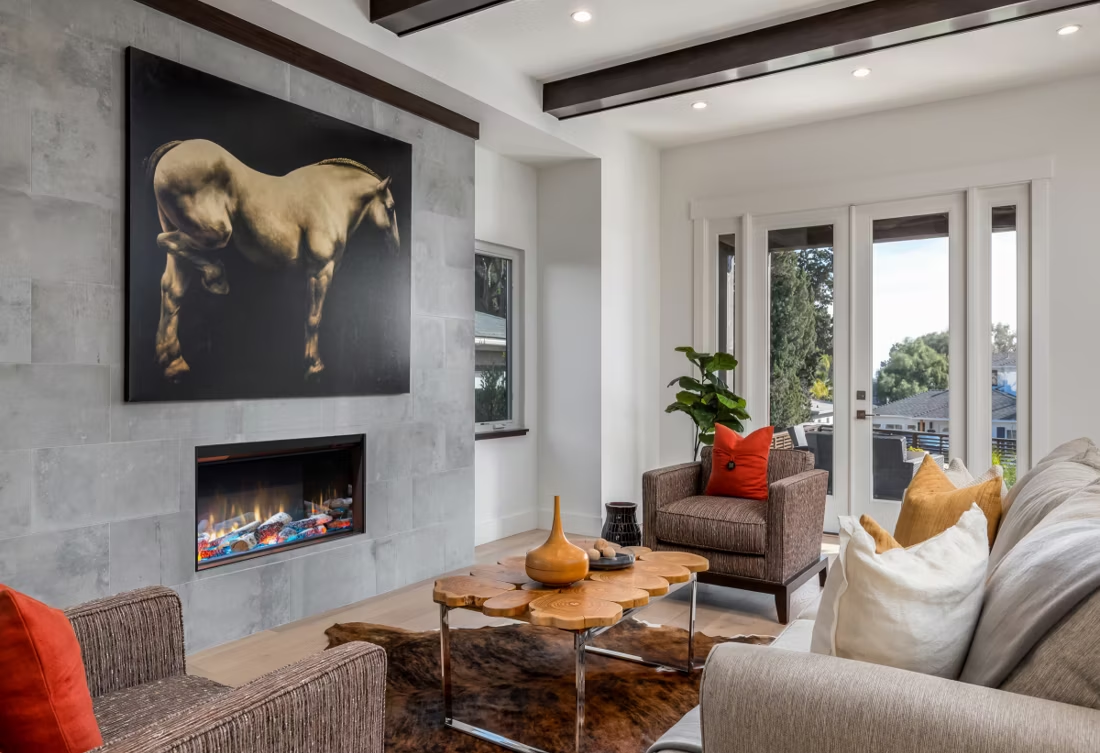
Four cover most of the market: screen-front traditional (mesh front, open feel, fits craftsman homes), traditional door set (the classic look you grew up with), modern linear (wide, low, the statement piece for entertaining), and clean face contemporary (no trim—your tile or stone runs right to the fire's edge). Walk in knowing those four terms and you're ahead of most buyers.
Do electric fireplaces actually produce heat?
Yes—most put out around 4,800–5,000 BTUs from a standard outlet, which comfortably warms a bedroom, office, or den as a comfort-zone heater. What they won't do is carry a whole house the way wood, gas, or pellet can. Think of electric as ambiance-first with honest supplemental heat: flames on with no heat in July, flames plus warmth in January.
Does an electric fireplace need a vent or chimney?
No—that's its superpower. An electric fireplace needs a wall and an outlet, period. No vent pipe, no gas line, no clearances to design around, which is why it works in bedrooms, offices, apartments, and walls where venting a gas or wood unit would be impractical or impossible. Installation is typically the simplest and least expensive of any fireplace type.
Stove and Fireplace Dealers in Fraser Valley
Listings include WhyFire partner dealers, dealers we have verified as authorized for the brands we recommend, and established local businesses that carry hearth products. Every listing shows which one it is. The ones marked Preferred run on WhyFire's software, so they can show you real pricing and book your appointment right here. No manufacturer pays for placement. How we verify dealers →
Dagg's Fireplace Shop
Encore Fireplaces
Electric Service in Fraser Valley
An electric fireplace's heater draws about 1,500 watts—pennies per hour at local rates.
Bc Hydro
FortisBC (Electric)
Get your free Fraser Valley electric fireplace Project Guide & Parts List.
Tell me about your room, your panel, and how you plan to use the fireplace, and I'll match you with a local Fraser Valley dealer and send over a free Project Guide & Parts List—the exact unit, any electrical requirements, and your recommended installer, with no big-box guesswork.
Find Your Fireplace →