
Pellet heat: a rare fit for Tucson's mild desert winters.
With just 1,332 heating degree days a year and an average winter low of 41°F, Tucson doesn't ask much of a heating system. Pellet stoves are a niche choice here—but for foothill homes, high-elevation properties, and backup-heat planning, I can match you with a trusted local dealer who can tell you honestly whether one makes sense.
Every Project Starts From One of These Five Situations
The desert doesn't need what a pellet stove is built for.
Tucson sits at 2,677 feet in climate zone 2B, and the numbers explain why pellet stoves never caught on the way they have in the Mountain West: 1,332 heating degree days a year is a fraction of what a city like Bismarck, ND or Fargo, ND racks up, and the average winter low here is a comparatively mild 41°F. Most Tucson homes heat with a gas furnace or an electric heat pump run through Tucson Electric Power, and for the handful of genuinely cold nights each winter, that system is already sized to handle it. A pellet stove, designed to carry a house through months of sub-freezing weather, is solving a problem most Tucson homeowners simply don't have.
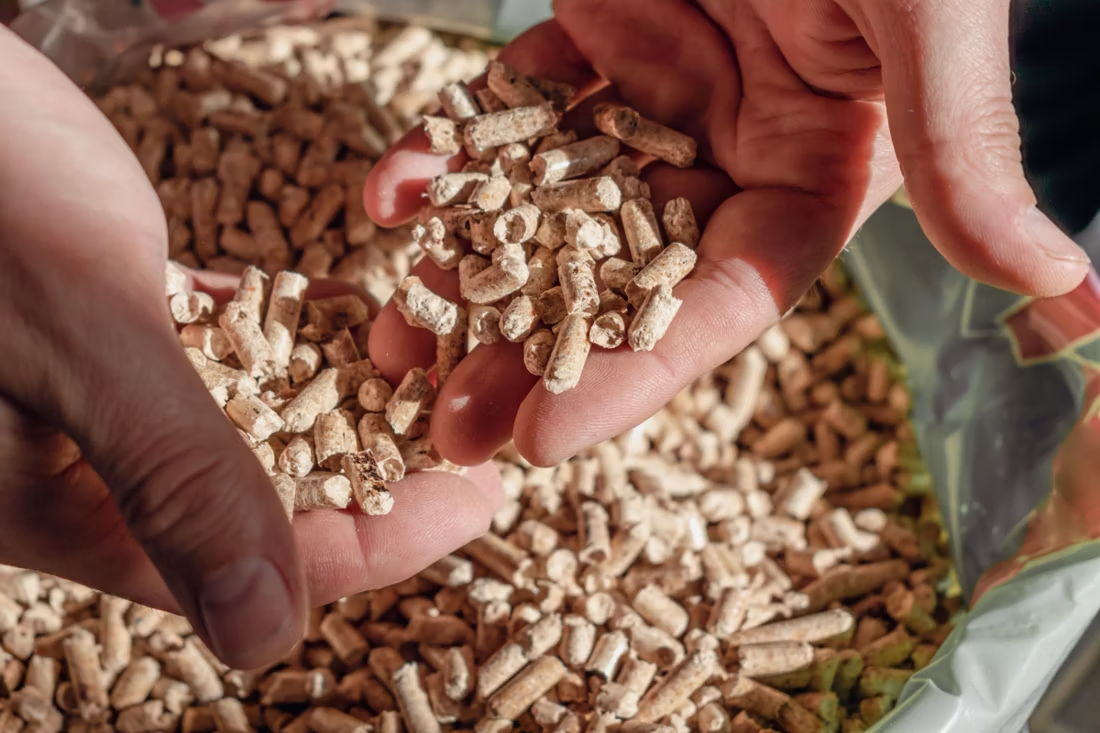
That said, the fit isn't zero. Properties up toward the Catalina foothills and the base of Mount Lemmon sit at meaningfully higher elevation and see real overnight chill that flatland Tucson doesn't, and a few homeowners there—plus owners of second homes or cabins elsewhere in Arizona's higher country—do install a pellet stove for supplemental heat or backup during a winter storm outage. Regional brands like Forest Energy and Lignetics do reach Southern Arizona, though bagged pellets aren't stocked the way they are in Flagstaff or Prescott, so plan on ordering ahead through whichever local hearth dealer carries them rather than picking up a pallet on a whim.
Three steps. No salesperson until you're ready.
Tell us about your project
Your zip code, your situation, and the fuel you're leaning toward—or let the answers point you to one.
See what's actually available
The brands dealers within 100 miles genuinely carry—real options, never a catalog mirage.
Get your dealer & Project Guide
A trusted local dealer, plus the free Project Guide & Parts List that names every component of the job.
Frequently Asked Questions
Are pellet stoves actually used in Tucson?
Not many, honestly. Tucson's climate—1,332 heating degree days and a 41°F average winter low—puts it closer to a mild coastal city than a wood- and pellet-burning region like the Mountain West. Most homes here rely on gas furnaces or electric heat pumps for the handful of cold nights each winter, so pellet stoves stay a niche product carried by only a small number of local hearth dealers, usually alongside gas fireplace lines that see far more demand.
Why don't more homes in Tucson use pellet stoves?
It comes down to degree days. A pellet stove is designed to run for hours a day through a long heating season, and Tucson's heating season is short—the city's 1,332 HDD figure is a small fraction of what places like Fargo, ND see in a single winter. For occasional cold snaps, a gas fireplace or the existing central system covers the need without the ongoing task of buying and storing pellet bags, which is part of why pellet fuel is rated essentially not-applicable for this market.
Does a pellet stove make sense for a Mount Lemmon or foothills property?
It's the one scenario where the answer tilts toward yes. Elevation matters a lot in Pima County—the base of the Catalina foothills and especially the Mount Lemmon corridor sit thousands of feet above the Tucson valley floor and see genuinely cold, sometimes snowy winters that the 41°F valley average doesn't reflect at all. Homeowners up there, along with cabin owners, are the more realistic pellet stove customers in this region, and a local dealer can tell you whether your specific elevation and insulation justify one.
Where can I buy pellet fuel in Tucson?
Supply is thin compared to pellet-heavy markets. Forest Energy and Lignetics are the regional brands most likely to show up through a Tucson-area hearth dealer, but because demand is low, most shops don't keep a deep stock on hand—expect to order a season's supply ahead of time rather than restocking bag by bag through the winter. If you're near Flagstaff or Prescott occasionally, pellets are far easier to find up there.
What does a pellet stove installation cost in Tucson?
Installations here tend to run a bit above the national average—roughly $4,000 to $7,000—mainly because so few Tucson dealers install and service pellet units regularly, so pricing reflects a specialty job rather than routine volume. Venting is simpler than a wood stove chimney since a pellet stove vents through a wall with PL-rated pipe, which keeps the labor side more contained; most of the cost variance comes from the stove itself and any electrical work needed for the auger and blower circuit.
Do I need a permit to install a pellet stove in Tucson?
Yes. Depending on your address, that's either the City of Tucson Planning and Development Services Department or Pima County Development Services for unincorporated areas. Both require a mechanical permit and inspection for the venting and any electrical work, the same as they would for a gas insert. Because pellet installs are uncommon here, it's worth confirming your installer has pulled this specific type of permit before—not every Tucson hearth contractor has.
How is a pellet stove different from the wood stoves people use in the Coronado National Forest area?
They're not really comparable markets. Wood cut under a Coronado National Forest permit (about $5-$20 per cord, May through October season) feeds traditional wood stoves and fireplaces, which—like pellet stoves—are rated not-applicable for most Tucson homes given the mild climate; wood-burning here is mostly limited to mesquite, pinyon, or juniper used decoratively or on outlying rural properties. A pellet stove skips the cutting and splitting entirely, running instead on bagged, manufactured pellets from brands like Forest Energy, and it needs electricity to feed the auger—which a wood stove doesn't.
Will a pellet stove keep working if the power goes out?
No, and this is worth knowing before you buy one in Tucson specifically. Pellet stoves rely on an electric auger and blower to feed fuel and circulate heat, so a Tucson Electric Power outage—which does happen during monsoon storms—shuts the stove down along with everything else. If backup heat during an outage is your actual goal, a vented gas fireplace with a battery-backed or millivolt ignition system is the more reliable choice in this climate; a local dealer can walk you through which gas units keep running without grid power.
Should I get a pellet stove or a gas fireplace for supplemental heat in Tucson?
For the vast majority of Tucson homes, gas wins clearly. Natural gas service is well established across the city, gas fireplaces need no fuel storage, and they handle the occasional cold snap without the upkeep of ordering and storing pellet bags for a stove that might run a handful of weeks a year. Pellet only starts to make sense for the specific case of a higher-elevation foothills or Mount Lemmon-area property with a real, sustained heating season—for a standard Tucson valley home, I'd steer you toward gas or an electric option instead.
How often does a pellet stove need cleaning?
A clean pellet stove is a happy pellet stove. Plan on cleaning the burn pot about once a week when you're burning regularly—ash and clinkers gum up the air holes just like a pellet barbecue. Most pellet stove problems trace back to skipped cleaning that nobody explained up front. Some designs make it easy with a trapdoor burn pot: pull a lever and the gunk drops into the ash pan.
Why is a fireplace insert so efficient?
An insert does two things: it seals the chimney completely, so you stop losing air you already paid to heat, and it radiates warmth into the room through the firebox and glass. Most add a heat-exchange fan that pulls cool room air underneath, wraps it around the hot firebox, and pushes it back out warm. Your home is more efficient before you've even lit the first fire.
What is an in-home preview and do I need one?
It's a visit where a hearth professional measures your space, confirms the model you picked actually works in your home, and walks the specs—framing, gas line, venting, finish work—before anything is ordered. Some details you just can't know until you see the house. Never make a down payment without one; it's the single most-skipped step that burns buyers.
Does a fireplace add value to my home?
On average, a fireplace adds back to the home about the same amount you spent installing it. Add the monthly savings from heating the rooms you actually use instead of the whole house—often hundreds of dollars a year—and the value case is strong before you even count what a fire does for how your family uses the room.
Preferred Dealer in Tucson
Marked Preferred because they run on WhyFire's software—so they can show you real pricing and book your appointment right here. No manufacturer pays for placement. How we verify dealers →
Pellet Brands Stocked Around Tucson
Manufacturers will point you to the nearest stocking dealer.
Get an honest read on pellet heat for your Tucson property.
Tell me about your home, elevation, and heating goals, and I'll match you with a trusted local dealer—whether that means a pellet stove for a foothills property or a better-fit gas or electric option for the valley—plus a free Project Guide & Parts List with the exact vent kit and parts your project needs.
Find Your Fireplace →