
Simple, clean heat for Macon County's mild winters.
With winter lows averaging 34°F and a heating season that barely stretches past February, Macon County homes don't need a cord of firewood—they need a clean, no-fuss way to take the edge off a cool Tuskegee evening. Find the right electric fireplace and connect with a trusted local dealer.
Every Project Starts From One of These Five Situations
Short winters make electric the practical choice.
Macon County sits in climate zone 3A—mixed-humid, gently rolling piedmont around Tuskegee, with a mild winter heating load. That's a fraction of what a place like Duluth, MN sees, and it shows in how people actually heat their homes here: central heat pumps handle the bulk of the work, and a fireplace is almost always a supplement, not a necessity. Oak, pine, and hickory grow throughout the county and show up plenty in the woodpile for a backyard fire pit or smoker, but wood-burning inserts see little demand here—the season's just too short and too mild to justify the chimney, the venting, and the annual sweep that wood heat requires.
That's exactly the gap electric fills. There's no flue to run, no combustion byproducts to vent, and no air-quality restrictions to worry about—Macon County has none on record. A plug-in electric fireplace needs nothing more than a standard outlet; a built-in wall unit or mantel package usually needs a dedicated 120-volt or 240-volt circuit run by a licensed electrician, which is a same-day job for most local pros. Alabama Power serves the county, and running costs are modest since most units only cycle on for supplemental warmth rather than around-the-clock heating. For older homes near downtown Tuskegee or manufactured housing common in the county's rural stretches, electric is often the only heat-adding option that doesn't touch the structure at all.
Three steps. No salesperson until you're ready.
Tell us about your project
Your zip code, your situation, and the fuel you're leaning toward—or let the answers point you to one.
See what's actually available
The brands dealers within 100 miles genuinely carry—real options, never a catalog mirage.
Get your dealer & Project Guide
A trusted local dealer, plus the free Project Guide & Parts List that names every component of the job.
Frequently Asked Questions
How much does an electric fireplace installation cost in Macon County?
Plug-in electric fireplaces and freestanding stoves start around $400-$900 installed, since they simply plug into an existing outlet with no electrical or structural work needed. Built-in wall units, mantel packages, or inserts that require a dedicated circuit typically run $1,200-$2,500 once you factor in the electrician's time to run new wiring and, in some cases, minor framing or trim work. Costs run toward the lower end for straightforward wall-mount installs in newer Tuskegee-area homes already wired for a 240-volt circuit, and toward the higher end for older homes near downtown or in Notasulga and Shorter where panel upgrades are sometimes needed first.
Do I need a permit to install an electric fireplace in Macon County?
A simple plug-in unit generally doesn't trigger any permit since no wiring or structural change is involved. If your installation requires a new dedicated circuit—common for built-in wall units and larger inserts—that electrical work typically needs a permit through the local building jurisdiction, whether that's the City of Tuskegee or Macon County's building department depending on where the home sits. Most licensed electricians pull this permit as a routine part of the job, so it's rarely something you have to manage yourself.
What's the best electric fireplace option for an older Tuskegee-area home?
For historic homes near downtown Tuskegee or older frame houses throughout the county, a mantel-style electric fireplace or a slim wall-mount unit is usually the easiest fit—neither requires cutting into masonry or altering an existing chimney. If the home already has a decorative masonry fireplace that's no longer in use, an electric insert can slide into that opening and instantly modernize it without any venting work. Homes with newer 240-volt wiring in place can support larger built-in units; older homes on older panels are often better served by a plug-in model that avoids electrical upgrades altogether.
Electric vs. gas fireplace—which makes more sense in Macon County?
Gas fireplaces are available and reasonably popular here too, but they require a gas line—either natural gas where service is available or a propane tank—plus venting work for anything other than a vent-free unit. Electric skips all of that: no fuel line, no combustion, no annual gas-appliance inspection. Given Macon County's short, mild heating season, most homeowners find the lower upfront cost and zero-maintenance operation of electric hard to beat for supplemental use. Gas still wins for homeowners who want a live flame with real heat output for a larger primary living space; electric wins for convenience, safety, and installation simplicity.
Will an electric fireplace heat my whole home?
No—electric fireplaces are zone heaters, not primary heat sources. Most units are rated to comfortably warm a single room of 400-1,000 square feet, which fits how they're actually used in Macon County: taking the chill off a living room or bedroom on a cold January night while the central heat pump handles the rest of the house. Given the county's mild winter heating load, that pairing covers nearly the entire heating season for most homes without ever needing a bigger, whole-home solution.
Will my electric fireplace work if the power goes out?
No—unlike a wood stove, an electric fireplace has no function without power, since the heating element, blower, and flame-effect display all run on electricity. Rural parts of Macon County can see outages during severe weather, so if backup heat during an outage matters to you, a propane or gas unit with battery-backup ignition is a better complement to an electric fireplace than a replacement for it. Most homeowners here treat electric as everyday convenience heat and keep a separate backup plan for storm season.
How much does it cost to run an electric fireplace with Alabama Power service?
Most electric fireplaces draw around 1,500 watts on the heat setting, which—at typical Alabama Power residential rates—works out to roughly 15-20 cents per hour of use. Because Macon County's heating season is short and most households only run the unit in the evenings during the coldest weeks of December through February, the added cost to a monthly bill is usually modest, especially compared to running central heat harder to compensate for a chilly room.
Wall-mount, insert, or freestanding—which style should I choose?
Wall-mount units suit newer homes and open living spaces where a slim, modern profile is the goal—they hang like a large piece of art and need only wall support and power. Inserts are the right call if you already have a decorative or unused masonry fireplace and want to reclaim it as usable heat without venting work. Freestanding electric stoves work well in older homes, mobile and manufactured housing common throughout rural Macon County, or any room where you want portability and don't want to mount anything to the wall. A local dealer can walk your specific room and point you to the style that fits both your space and your existing wiring.
How much maintenance does an electric fireplace need?
Very little. There's no chimney to sweep, no gas line to inspect, and no ash to clean—just occasional dusting of the heating element and glass, and a check that the blower fan runs quietly. Most units carry manufacturer warranties of 1-3 years, and problems are typically limited to the heating element or the LED flame display rather than anything safety-related. This low-maintenance profile is a big part of why electric is such a common choice for rental properties and older homes throughout Macon County.
Can I put a TV above my fireplace?
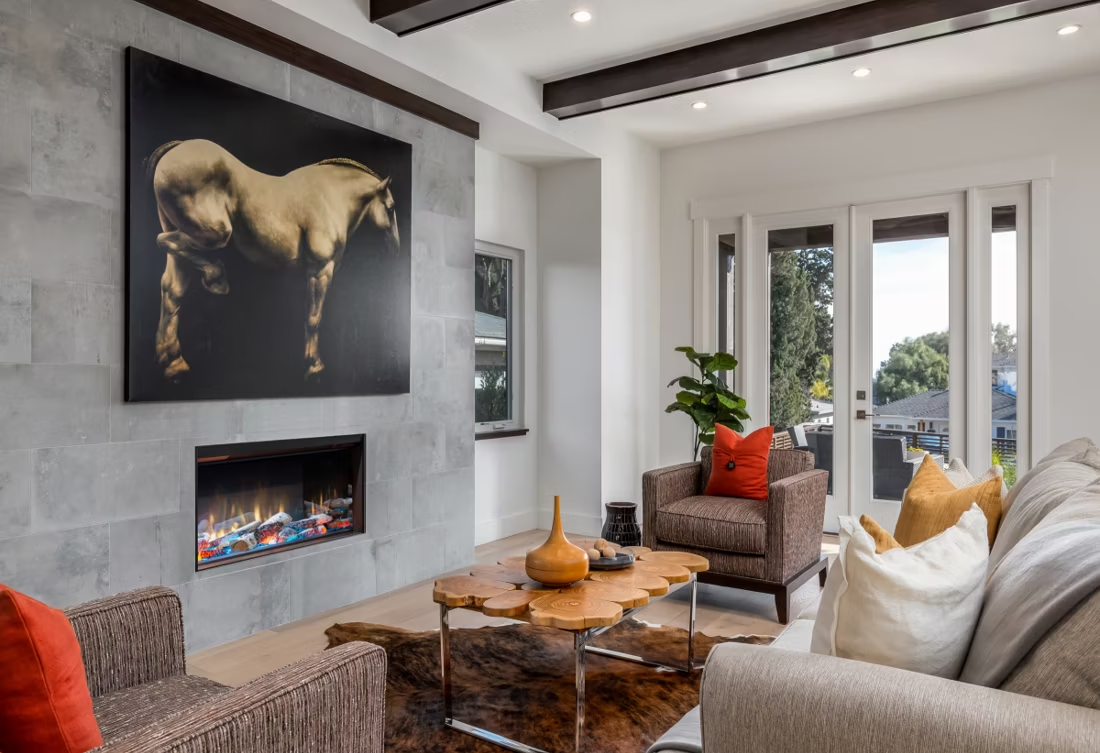
Yes—with an asterisk. Fireplaces are hot and TVs don't like heat. Either put a mantel between them to deflect rising warmth, or choose a fireplace with heat-management technology that creates a cool zone on the wall above—the wall stays around 125 degrees, barely warm, while the room still gets full heat. If you like clean lines and don't want a mantel, heat management is the answer.
Does an electric fireplace need a vent or chimney?
No—that's its superpower. An electric fireplace needs a wall and an outlet, period. No vent pipe, no gas line, no clearances to design around, which is why it works in bedrooms, offices, apartments, and walls where venting a gas or wood unit would be impractical or impossible. Installation is typically the simplest and least expensive of any fireplace type.
Can I install a fireplace myself?
If you're putting a fire in your house on purpose, it's best to work with an expert. Unless you're genuinely experienced in framing, gas line, vent pipe, and the national code on clearances to combustibles, have a professional do it—and ideally the same company that sells you the fireplace, so warranty, service, and liability all live under one roof.
What is an in-home preview and do I need one?
It's a visit where a hearth professional measures your space, confirms the model you picked actually works in your home, and walks the specs—framing, gas line, venting, finish work—before anything is ordered. Some details you just can't know until you see the house. Never make a down payment without one; it's the single most-skipped step that burns buyers.
Stove and Fireplace Dealers in Macon County
Listings include WhyFire partner dealers, dealers we have verified as authorized for the brands we recommend, and established local businesses that carry hearth products. Every listing shows which one it is. The ones marked Preferred run on WhyFire's software, so they can show you real pricing and book your appointment right here. No manufacturer pays for placement. How we verify dealers →
Blossman Gas And Appliance
Brick Acquisition Company
Find your electric fireplace in Macon County.
Tell us a bit about your home and we'll match you with the right electric fireplace, insert, or wall-mount unit—plus a free Project Guide & Parts List and a trusted local dealer to install it.
Find Your Fireplace →