
Keep Your Family Warm and Safe—No Matter What
At 152 feet elevation with winter lows averaging 40°F and one of the shortest, mildest winter heating seasons around, Cottonwood doesn't ask much of a heating system. A wood stove here is usually a choice—for backup power outages, hunting land, or the look of a real fire—and we'll help you find a dealer who can install one correctly.
Every Project Starts From One of These Five Situations
Cottonwood's winters rarely demand a fire that burns all night.
Cottonwood sits in climate zone 3A in the southeastern corner of Alabama, where winter is short and mild rather than something to be managed. An average winter low of 40°F and a winter heating season that's about as light as they come put this part of Houston County in an entirely different category than the wood-burning regions of the upper Midwest—Duluth, Minnesota faces a winter heating season roughly six times as long and cold as Cottonwood's. That gap is exactly why wood stoves are genuinely uncommon here: the climate just doesn't generate enough cold hours to justify a dedicated wood heating system for most households.
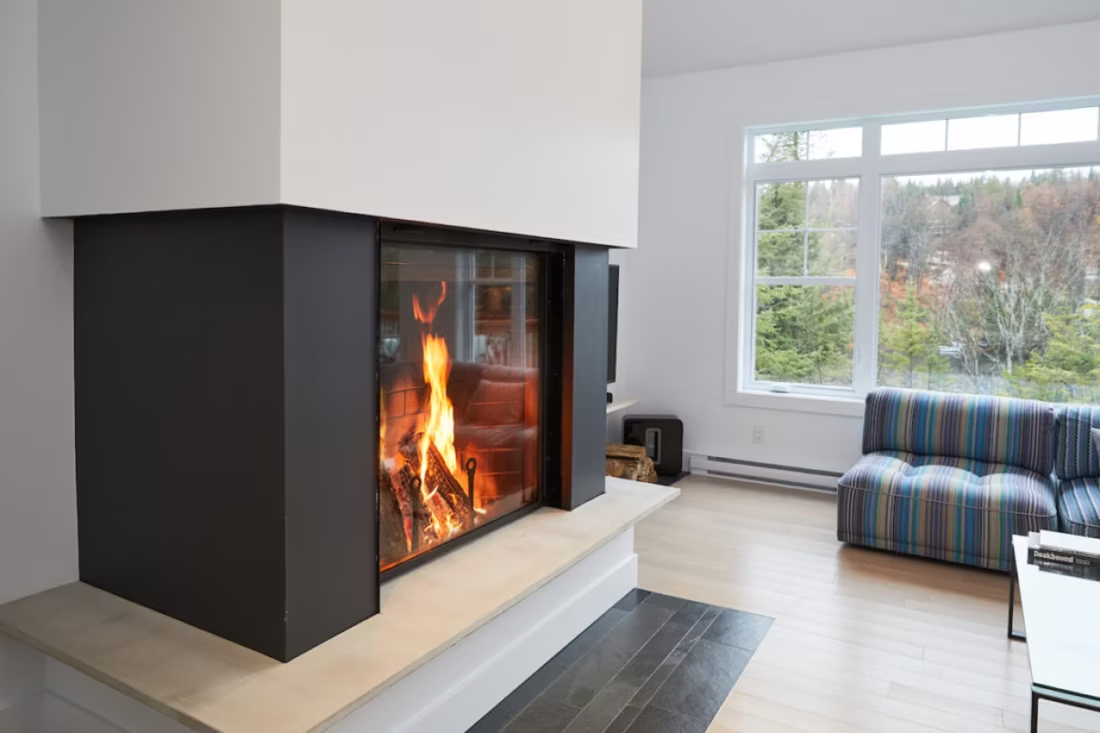
That doesn't mean nobody installs one. A handful of Cottonwood homeowners still want a wood stove for a rural property with its own stand of oak, pine, or hickory, for a hunting camp outside town, or as insurance against the ice storms that periodically knock out power across the Wiregrass region served by Alabama Power Co and Wiregrass Electric Coop. Others simply want the look and feel of a real fire in a den or living room on the handful of genuinely cold nights each winter. If that's you, a correctly sized, EPA-certified stove still works fine here—it's just a supplemental or backup appliance rather than a primary heat source, and your installer should size it that way.
Three steps. No salesperson until you're ready.
Tell us about your project
Your zip code, your situation, and the fuel you're leaning toward—or let the answers point you to one.
See what's actually available
The brands dealers within 100 miles genuinely carry—real options, never a catalog mirage.
Get your dealer & Project Guide
A trusted local dealer, plus the free Project Guide & Parts List that names every component of the job.
Frequently Asked Questions
Does a wood stove even make sense in a climate like Cottonwood's?
For most homes, not as a primary heat source. With winter lows averaging 40°F and a heating season that's short and mild overall, Cottonwood's winters are far gentler than wood-stove country further north—Fargo, North Dakota sees winters with a heating season more than five times as demanding as Cottonwood's. Where a wood stove still earns its keep here is as backup heat during an ice storm outage, or as a secondary source for a den or back room on the coldest handful of nights each year.
What does a wood stove installation cost in Cottonwood?
Expect a typical range of roughly $3,000 to $6,500 for a straightforward freestanding stove or insert, with the spread driven mostly by whether you've got an existing chimney to work with or need new Class A pipe run through a wall or roof. Because wood heat is a niche request in a town this size (Cottonwood's population is just over 1,000), most installers who take on this kind of job are based out of Dothan or elsewhere in Houston County, so plan for a bit more lead time than you'd see for a common gas or electric install.
What wood species are realistic to burn around Cottonwood?
Oak, pine, and hickory are the species most commonly available on rural Houston County properties, and they cover the full range a burner needs. Hickory splits dense and burns hot and long, making it the preferred choice for an overnight or outage-duration burn. Oak is the reliable all-around firewood, widely available and well-behaved once seasoned. Pine is plentiful and easy to come by but burns faster and sootier, so it's better suited to kindling or supplemental loads than as your main fuel.
Do I need a permit to install a wood stove in Cottonwood?
Yes, a building permit is standard practice for any new solid-fuel appliance, and in Cottonwood that means working through Houston County's building department since the city itself is unincorporated in terms of its own permitting office. There's no air quality non-attainment designation or burn-curtailment program to navigate here, unlike wood-heavy western basins, so the process is mainly about verifying clearances, venting, and that the unit is a certified model—most installers who take on these jobs handle the paperwork as part of the install.
Will a wood stove actually help if the power goes out?
Yes, and this is the most practical reason to own one in Cottonwood. Ice storms periodically take down lines across the rural service areas covered by Alabama Power Co and Wiregrass Electric Coop, and a wood stove is one of the only heating appliances in the house that keeps working with zero electricity. Even a small stove used only a few times a year for this purpose is a reasonable investment on a property with access to downed oak or pine for fuel.
Would a pellet stove make more sense than wood here?
Not really, and for similar reasons wood is a niche choice: pellet stoves need consistent cold-season demand to pay off their fuel and equipment cost, which Cottonwood's mild, short winter season doesn't generate. Regional pellet brands like Lignetics, Hamer Pellet Fuel, and Greenway Renewable Energy are available through dealers in the broader region, but a pellet stove also needs electricity to run its auger and blower—so unlike a wood stove, it won't help during the ice-storm outages that are one of the better reasons to have backup heat here at all.
What size wood stove should I buy if I'm installing one anyway?
Small. Given Cottonwood's mild winter lows, most homeowners here are better served by a stove rated for under 1,200 square feet, sized to heat a single room or supplement a heat pump rather than carry the whole house. Going bigger just means more babysitting a fire you don't need most nights. A local installer should size against your specific room and insulation rather than a whole-house square footage figure.
How does a wood stove compare to electric heat for a Cottonwood home?
Most homes in Cottonwood already run on electric heat pumps or resistance heat through Alabama Power Co (about 16.8 cents per kWh) or Wiregrass Electric Coop (about 15.5 cents per kWh), and given the short, mild heating season, electric systems handle the job efficiently without any fuel to split, stack, or haul. A wood stove doesn't compete with that on daily convenience—its value here is as a backup during outages or for the ambiance of a real fire, not as a cheaper everyday heat source.
Where do I find someone to actually install a wood stove near Cottonwood?
With a population around 1,100, Cottonwood itself doesn't support a dedicated hearth dealer, so most installs here are handled by installers based in Dothan or elsewhere in Houston County who cover the surrounding rural area. That's the gap we help close—we'll help you find a trusted local or regional dealer who actually installs wood stoves in this part of the Wiregrass, rather than leaving you to cold-call big-box stores that don't know the area.
What does it take to replace an existing fireplace?
Fireplaces are like icebergs—bigger behind the wall than in front of it. Replacement means removing the surrounding tile or stone (the finish material laps onto the fireplace face), pulling the old unit, setting the new one in the same enclosure, and re-finishing the wall. A hearth professional can determine what's behind your wall without demolition during an in-home preview.
Why won't my new wood stove get going like my old one?
New wood stoves are 70%+ efficient, so far less heat goes up the flue—which also means less draft to get a fire established. The rule: build a genuinely hot fire for about 45 minutes before you choke it down. Skip that and you get smoke in the room, creosote in the chimney, and a fire that never takes off. Most performance complaints trace straight back to this.
Can I install a fireplace myself?
If you're putting a fire in your house on purpose, it's best to work with an expert. Unless you're genuinely experienced in framing, gas line, vent pipe, and the national code on clearances to combustibles, have a professional do it—and ideally the same company that sells you the fireplace, so warranty, service, and liability all live under one roof.
What is an in-home preview and do I need one?
It's a visit where a hearth professional measures your space, confirms the model you picked actually works in your home, and walks the specs—framing, gas line, venting, finish work—before anything is ordered. Some details you just can't know until you see the house. Never make a down payment without one; it's the single most-skipped step that burns buyers.
Nearby Dealers
Hearth shops serving Cottonwood and the surrounding area. Every listing shows whether it is a WhyFire partner, a dealer we have verified as authorized for the brands we recommend, or a local business carrying hearth products. No manufacturer pays for placement. How we verify dealers →
Waldorf Ace Hardware
Geneva County Gas District
Gas Pro
Get your free Project Guide & Parts List for a Cottonwood wood stove project.
Tell us about your home and whether you're after backup heat, a hunting camp stove, or just the ambiance of a real fire, and we'll help you find a trusted local dealer and send a free Project Guide & Parts List with the exact vent kit and parts your project needs.
Find Your Fireplace →