
Built for a town where 40°F counts as a cold morning.
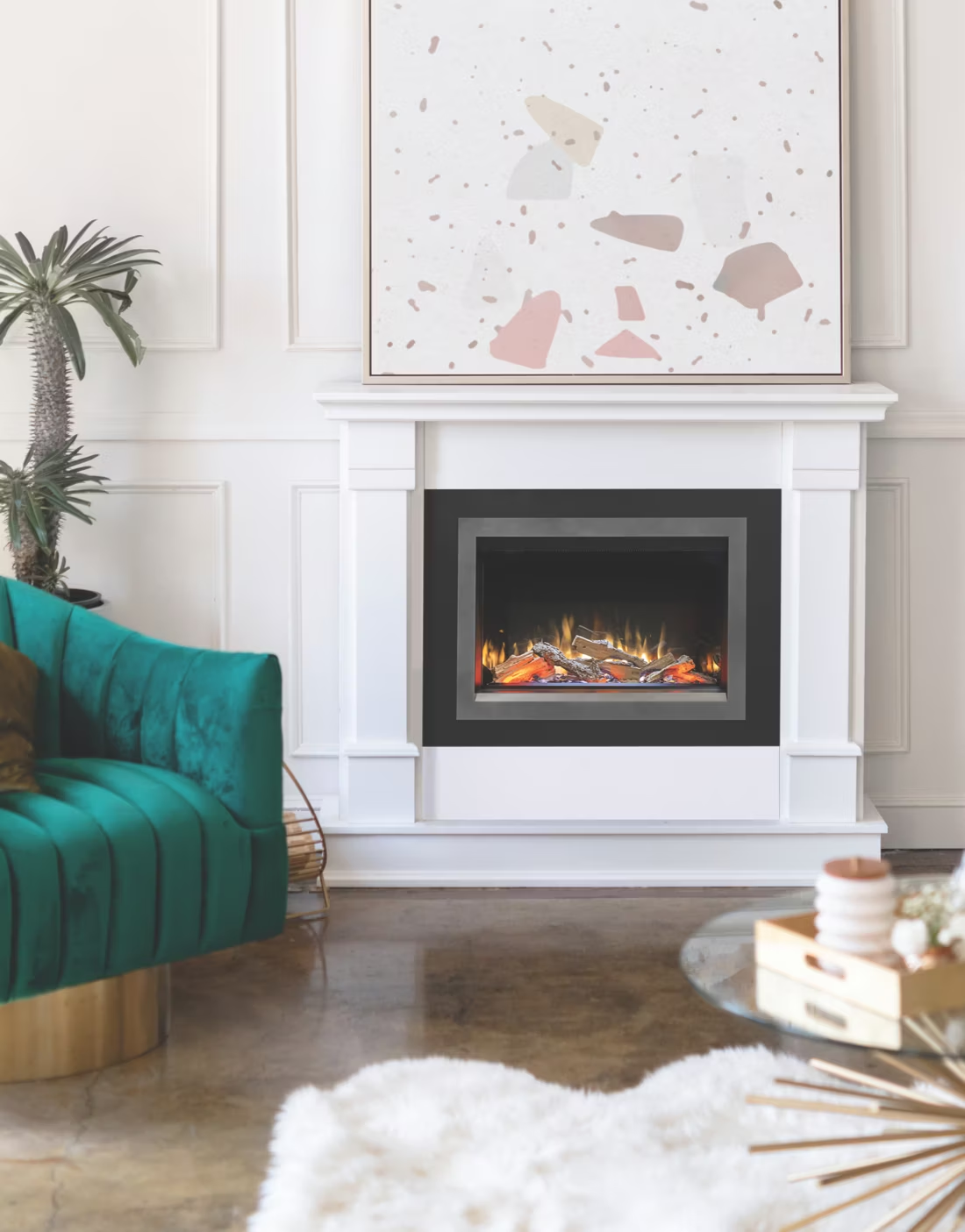
With a short, mild winter heating season and winter lows averaging just 40°F, Cottonwood doesn't need a serious heating appliance—it needs ambiance and the occasional supplemental boost. An electric fireplace delivers both with no chimney, no gas line, and no combustion byproducts to worry about.
Every Project Starts From One of These Five Situations
Electric heat matches a heating season that barely exists.
Cottonwood sits in climate zone 3A at just 152 feet of elevation in the Wiregrass corner of Houston County, and the numbers tell the story: the winter heating season here is only a fraction of what a town like Duluth or Bismarck deals with, and the average winter low of 40°F rarely demands anything close to a full heating system. There's no air quality program here flagging woodsmoke or inversions, which matters less for electric decisions than it does for combustion appliances, but it does underscore how mild this climate really is—most homeowners want a fireplace for the look and feel, not survival heat.
That's exactly the gap an electric fireplace or insert fills. Oak, pine, and hickory are the woods you'd find locally, and plenty of Cottonwood lots have mature stands of all three, but with such a short, mild heating season, wood stoves and pellet appliances (regional brands like Lignetics, Hamer Pellet Fuel, and Greenway Renewable Energy serve the broader Wiregrass market, not Cottonwood specifically) see little real demand here—most households who want a flame-and-wood experience already have it covered by firepits or occasional recreational burning rather than a primary heat appliance. Electric plugs into either Alabama Power Co. or Wiregrass Electric Coop service, depending on your address, and runs with zero venting, zero permits for a plug-in unit, and a running cost you can calculate down to the cent.
Three steps. No salesperson until you're ready.
Tell us about your project
Your zip code, your situation, and the fuel you're leaning toward—or let the answers point you to one.
See what's actually available
The brands dealers within 100 miles genuinely carry—real options, never a catalog mirage.
Get your dealer & Project Guide
A trusted local dealer, plus the free Project Guide & Parts List that names every component of the job.
Frequently Asked Questions
How much does an electric fireplace cost to install in Cottonwood?
A plug-in electric insert or mantel unit typically runs $300 to $1,200 installed, since there's no venting or gas line to run—you're basically buying the unit, a surround if needed, and an outlet check. A built-in wall unit that requires a dedicated 120V or 240V circuit lands closer to $1,500 to $3,000 once an electrician is involved. Either way, the cost spread in Cottonwood is driven almost entirely by the unit and cabinetry, not by labor-intensive venting work the way a wood or gas install would be.
What size electric fireplace do I actually need here?
Given winter lows averaging 40°F and a heating season that stays short and mild most years, most Cottonwood homes are buying an electric fireplace for ambiance and light supplemental warmth in one room, not whole-house heat. A standard 1,500-watt unit (roughly 5,000 BTU) comfortably takes the chill off a living room or bedroom on the occasional cold front. You don't need to size up the way a homeowner in a harsher climate would—bigger units mostly add visual width and flame realism here, not heating capacity you'll actually use.
Do I need a permit for an electric fireplace in Cottonwood?
A plug-in insert or freestanding electric stove that uses a standard household outlet typically doesn't require a permit. If you're installing a built-in unit on a dedicated circuit, your electrician will usually need to pull an electrical permit through your local building inspector in Houston County before the work passes final inspection. Most local dealers who handle installs in the area will tell you upfront whether your specific model crosses that line.
What's the difference between an electric fireplace, insert, and stove?
A built-in electric fireplace is framed into a wall, similar to a flush gas or wood unit, and is common in new construction or a remodel. An electric insert drops into an existing masonry firebox—a good fit if your Cottonwood home has an old wood-burning fireplace you no longer use for heat but still want lit. A freestanding electric stove sits on the floor like a wood stove but plugs into an outlet, which works well in a rental or a room without an existing fireplace footprint at all.
How much does it cost to run an electric fireplace with my utility?
It depends on whether you're served by Alabama Power Co. at roughly 16.77 cents per kWh or Wiregrass Electric Coop at roughly 15.45 cents per kWh. A typical 1,500-watt unit running on medium heat for four hours costs somewhere around 90 cents to a dollar on Alabama Power, slightly less on Wiregrass Electric Coop. Because most units here get used for evening ambiance rather than all-day heating, monthly costs usually stay modest compared to a furnace or heat pump running through a real winter.
Will my electric fireplace still work if the power goes out?
No—unlike a wood stove, an electric fireplace is fully dependent on grid power, so a storm-related outage through either Alabama Power or Wiregrass Electric Coop territory takes it offline along with everything else. Houston County does see occasional outages from summer storms and the odd winter system, so if backup heat during an outage matters to you, a gas fireplace or heater is worth considering as a second appliance—Cottonwood's mild climate means you likely won't need it often, but it covers the gap electric can't.
Electric vs. gas—which makes more sense for a Cottonwood home?
Electric wins on install simplicity and upfront cost—no gas line, no venting, and a unit you can have running the same day it arrives. Gas wins on real heat output and on staying lit during a power outage, assuming the unit has a battery-backed or self-powered ignition system. Given how mild Cottonwood's winters run—a short heating season and lows that rarely drop far below freezing—a lot of homeowners here choose electric for the primary living space specifically because they're not relying on it to actually heat the house, and add gas only if they want a backup heat source or a more traditional flame.
Why don't more Cottonwood homes use wood or pellet stoves?
It's less about availability and more about need. Oak, pine, and hickory all grow locally and would burn fine in a wood stove, and pellet brands like Lignetics and Hamer Pellet Fuel do serve the wider Wiregrass region—but with winter lows averaging 40°F and a heating season this short, the economics and effort of running a wood or pellet appliance rarely pencil out against an electric or gas unit that costs far less to install and needs no fuel storage, hauling, or chimney maintenance. It's not that wood doesn't work here; it's that this climate simply doesn't generate enough demand for it as a heating appliance.
What electric fireplace brands can I actually get installed near Cottonwood?
Dealers serving Houston County typically carry mainstream electric lines like Dimplex, Napoleon, and Touchstone, covering everything from slim wall-mounted units to furniture-grade mantel packages and deeper built-ins. Availability and lead times vary by model and dealer, which is exactly why finding a local installer who stocks or can order what actually fits your wall and your outlet situation matters more than chasing a specific brand online.
Can I put a TV above my fireplace?
Yes—with an asterisk. Fireplaces are hot and TVs don't like heat. Either put a mantel between them to deflect rising warmth, or choose a fireplace with heat-management technology that creates a cool zone on the wall above—the wall stays around 125 degrees, barely warm, while the room still gets full heat. If you like clean lines and don't want a mantel, heat management is the answer.
Does an electric fireplace need a vent or chimney?
No—that's its superpower. An electric fireplace needs a wall and an outlet, period. No vent pipe, no gas line, no clearances to design around, which is why it works in bedrooms, offices, apartments, and walls where venting a gas or wood unit would be impractical or impossible. Installation is typically the simplest and least expensive of any fireplace type.
Can I install a fireplace myself?
If you're putting a fire in your house on purpose, it's best to work with an expert. Unless you're genuinely experienced in framing, gas line, vent pipe, and the national code on clearances to combustibles, have a professional do it—and ideally the same company that sells you the fireplace, so warranty, service, and liability all live under one roof.
Can a fireplace actually lower my heating bill?
Yes—by creating a comfort zone. A furnace heats every square foot of the house just to warm the one room you're in; a gas fireplace on low burns roughly a sixth of the gas a typical furnace does. Set the furnace around 55–60 degrees as a baseline, then heat the rooms your family actually uses. Families who heat this way commonly save $20–$60 a month.
Nearby Dealers
Hearth shops serving Cottonwood and the surrounding area. Every listing shows whether it is a WhyFire partner, a dealer we have verified as authorized for the brands we recommend, or a local business carrying hearth products. No manufacturer pays for placement. How we verify dealers →
Waldorf Ace Hardware
Geneva County Gas District
Gas Pro
Electric Service in Cottonwood
An electric fireplace's heater draws about 1,500 watts—pennies per hour at local rates.
Alabama Power Co
Wiregrass Electric Coop, Inc
Get your free Project Guide & Parts List for a Cottonwood electric fireplace.
Tell us about your home, whether you're on Alabama Power or Wiregrass Electric Coop, and what room you're heating, and we'll help you find a trusted local dealer and send a free Project Guide & Parts List with the right unit and mounting details specified.
Find Your Fireplace →