
A niche choice in a wood-heat territory.
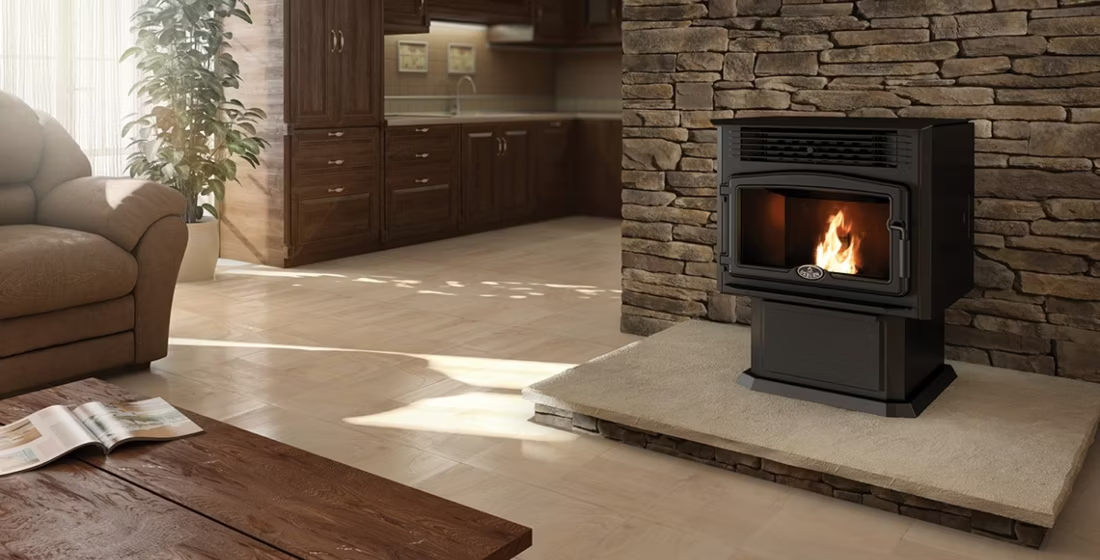
Pellet appliances are available in the Whitehorse Region, but they're the exception, not the rule—every bag is trucked up from a BC or Alberta mill, and most households here heat with wood cut under a free territorial permit instead. If pellet is still the right fit for your home, we'll help you reach the nearest dealer who can plan the install and the ongoing fuel supply.
Every Project Starts From One of These Five Situations
Wood from the bush outcompetes bagged pellets.
Winters in the Whitehorse Region settle in hard, with average lows near -19.2°C and a cold season that runs five or six months, cold enough to sit alongside Fort McMurray or Prince George for sheer duration. Wood heat is woven into daily life across the territory: white spruce, lodgepole pine, trembling aspen and paper birch all grow locally, and the Yukon Forest Management Branch issues a free personal-use fuel wood permit for up to 25 cubic metres, roughly 11 cords, a year in designated fuel wood areas. On cold, still days, inversions settle into the Whitehorse valley and trap smoke close to the ground, which is exactly why certified low-emission wood stoves, not open hearths, have become the norm.
Pellet fits into that picture as a minority option. There's no pellet mill in the territory, so every bag of fuel is trucked in from BC or Alberta, and that freight pushes pellet costs above what homeowners pay farther south. A pellet installation typically runs $6,000 to $10,000 CAD, in the same range as a wood stove project, but your ongoing fuel cost and supply reliability depend on highway shipments rather than a permit and a chainsaw. Any pellet install still has to meet the CSA B365 code through your municipal or territorial building inspector, and most insurers expect a WETT inspection on file regardless of which solid-fuel appliance you choose.
Three steps. No salesperson until you're ready.
Tell us about your project
Your postal code, your situation, and the fuel you're leaning toward—or let the answers point you to one.
See what's actually available
The brands dealers within 100 miles genuinely carry—real options, never a catalog mirage.
Get your dealer & Project Guide
A trusted local dealer, plus the free Project Guide & Parts List that names every component of the job.
Frequently Asked Questions
Why is pellet fuel considered rare in the Whitehorse Region?
Pellet appliances are available, but they are a genuine outlier here. There is no pellet mill in the territory, so every bag is trucked up the Alaska Highway from BC and Alberta mills, and freight adds real cost before you ever strike a match. Meanwhile, the territorial government issues a free personal-use fuel wood permit for up to 25 cubic metres (about 11 cords) a year, and white spruce, lodgepole pine, trembling aspen and paper birch are all abundant in designated fuel wood areas. For most households, cutting or buying local wood is simply cheaper and more reliable than depending on a trucked-in pellet supply, which is why wood, not pellet, is the default heat source across the region.
How much does a pellet stove installation cost in the Whitehorse Region?
A typical pellet installation runs $6,000 to $10,000 CAD, covering the stove or insert, venting, and a hearth pad that meets clearance requirements. That's the baseline—because every bag of pellets, and often the appliance itself, has to travel up from a BC or Alberta mill, freight and seasonal shipping schedules can push both the install cost and your ongoing fuel cost above what the same project would run in, say, Prince George or Edmonton. Ask any dealer you're considering for a landed cost that includes delivery, not just the manufacturer's list price.
Where do pellet supplies actually come from, and is the supply reliable?
All bagged pellets sold in the Whitehorse Region are trucked in from mills in BC and Alberta; there is no territorial pellet producer. That means your fuel supply depends on highway conditions and a supplier's shipping schedule, not a nearby mill you can call directly. Most homeowners who choose pellet heat here order ahead of the coldest months and keep enough bags on hand to ride out a supply gap, rather than buying week to week the way you might in southern Canada.
Is wood a better fit than pellet for my home here?
For most homes in the Whitehorse Region, yes. Wood heat is genuinely part of everyday life across the territory—white spruce, lodgepole pine, trembling aspen and paper birch are all common species cut under the Yukon Forest Management Branch's free personal-use permit, and a properly sized, certified low-emission stove handles the valley's cold-weather inversions without relying on a trucked-in fuel supply. Pellet still makes sense for households that want thermostatic control, automated feed, or don't want to split and stack wood, but go in knowing you're choosing convenience over the cheaper, more resilient local fuel option.
Do I need a permit to install a pellet stove in the Whitehorse Region?
Yes. Installations go through your municipal or territorial building inspector, and the work has to meet the CSA B365 installation code. Most insurers will also want a WETT inspection on file for a wood-burning appliance, and many apply the same expectation to pellet units, so plan on that step even though pellet appliances burn differently than cordwood. A dealer who regularly works pellet and wood jobs in the territory will know which inspector to book and what documentation your insurer will ask for.
Will my pellet stove still work if the power goes out?
Not on its own. Pellet stoves rely on an electric auger to feed fuel and a blower to move heat, so a power outage shuts the appliance down even with a full hopper. In a territory where winter storms can knock out power for stretches at a time, that's a real consideration—a battery backup or small generator keeps a pellet stove running through an outage, but a wood stove or fireplace burns with no electricity at all. It's one more reason wood remains the more common backup heat source across the region.
How do I find a dealer for pellet stoves and inserts in the Yukon?
Because pellet is a smaller niche here, dealers who stock and support pellet equipment aren't always close by. We'll help you reach the nearest dealers who work in the Whitehorse Region and send a Project Guide & Parts List so you know exactly what to order. Call ahead before you commit to a timeline—delivery of the appliance and any bagged pellet supply, plus scheduling a technician's visit, can take longer here than it would in a southern city, especially outside the main summer construction season.
What maintenance does a pellet stove need in this climate?
Pellet stoves need the firepot and burn chamber cleaned regularly through a long heating season, plus an annual inspection of the auger, venting, and exhaust fan. With cold-weather inversions settling into the Whitehorse valley on calm winter days, a well-maintained, clean-burning appliance matters as much for air quality as for appliance life. Because service technicians for pellet equipment are thinner on the ground here than for wood stoves, many owners schedule their annual service in late summer, before the shop's fall rush and before winter travel gets harder.
Pellet vs wood vs electric—what are people actually heating with here?
Wood is the backbone of home heating across the Whitehorse Region, backed by a free fuel wood permit and local species like white spruce and lodgepole pine. Electric heat (install costs typically $500 to $1,600 CAD) is common as a primary or supplemental system in town, and gas appliances run on propane rather than mains gas since there's no natural gas service here. Pellet sits apart from all three—a workable option if you want automated, thermostatic heat and don't mind paying freight on every bag, but it's a minority choice, not the regional default.
Nearest Dealers
Hearth shops are few and far apart up north, so these are the closest ones to Whitehorse Region, with how far each one is. Call ahead to ask about delivery and installation in your community. Every listing shows whether it is a WhyFire partner, a dealer we have verified as authorized for the brands we recommend, or a local business carrying hearth products. No manufacturer pays for placement. How we verify dealers →
Trapper Den's Wildlife Emporium
Tyee Building Supplies Ltd
Pellet Brands Stocked Around Whitehorse Region
Typical price runs above southern Canadian prices because of freight per ton—buy early-season for the best rates. Manufacturers will point you to the nearest stocking dealer.
Bagged Pellets Trucked In From Bc And Alberta Mills
Get your free pellet Project Guide & Parts List for the Whitehorse Region.
Tell us about your home and how you plan to use a pellet stove, and we'll help you reach the nearest dealer who works in the Whitehorse Region, with a free Project Guide & Parts List—the exact parts, including the vent kit, for your project. Because pellet supply and service here depend on freight from BC and Alberta, call ahead early about delivery timing and installation scheduling in your community.
Find Your Fireplace →