
Heat that holds through a Bighorn Basin winter.
Wood, gas, pellet, and electric fireplace resources for every town and ranch road in Big Horn County—from Greybull to Lovell. Get matched with a trusted local dealer before the first real cold snap hits.
Every Project Starts From One of These Five Situations
7,736 heating degree days in the shadow of the Bighorn Range.
Big Horn County sits in the Bighorn Basin between the Absaroka and Bighorn ranges, where winter lows average around 7°F and the heating season stretches from October well into April—comparable to what a household in Bismarck, ND deals with most winters. That's over 7,700 heating degree days, and it's why wood heat still carries real weight here: lodgepole pine and ponderosa off Bighorn National Forest and Shoshone National Forest permits, plus aspen from private ground, keep woodsheds full across Basin, Greybull, and Lovell. Wildfire smoke is the main air quality concern locally, more than winter inversions, which shapes when and how residents burn in late summer and fall.
What you'll find on this hub: hearth retailers, service technicians, and fuel suppliers covering the whole county—from the county seat in Basin out to Cowley, Deaver, and the irrigated farm country along the Shoshone River. Pick your fuel below for local dealer listings, realistic installation costs, and unit recommendations suited to Zone 6B cold. Whether you're heating a ranch house outside Hyattville or a home in town, this is the starting point.
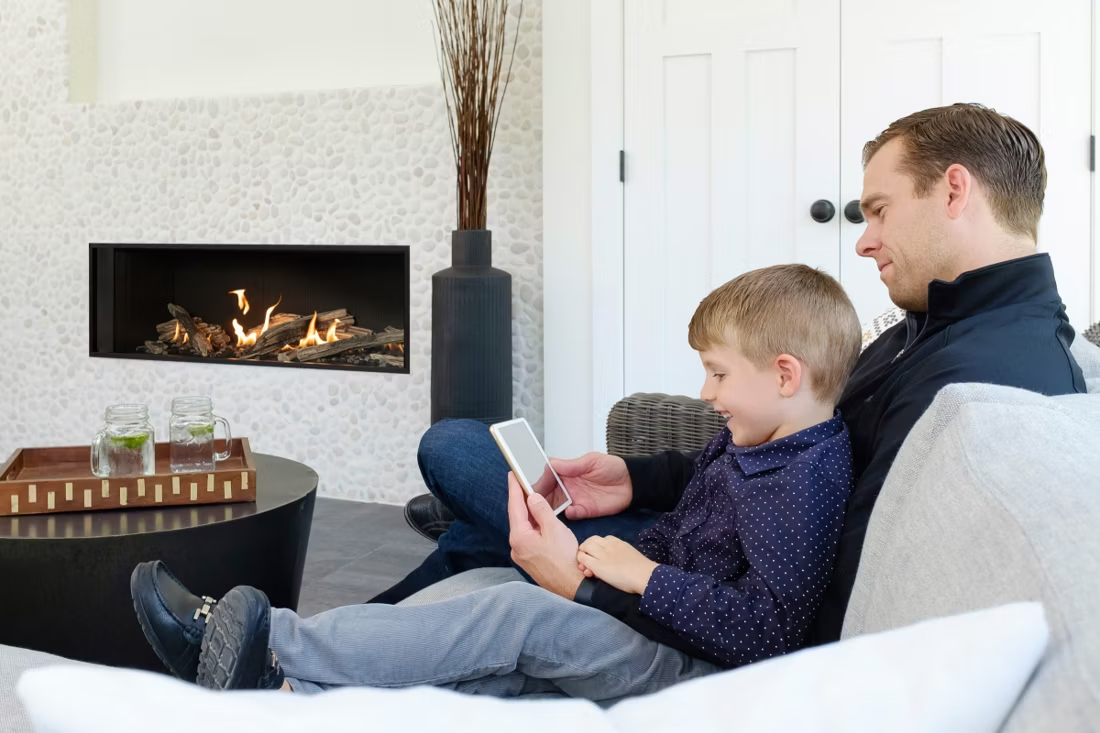
Four fuels. One honest answer for Big Horn County.
Three steps. No salesperson until you're ready.
Tell us about your project
Your zip code, your situation, and the fuel you're leaning toward—or let the answers point you to one.
See what's actually available
The brands dealers within 100 miles genuinely carry—real options, never a catalog mirage.
Get your dealer & Project Guide
A trusted local dealer, plus the free Project Guide & Parts List that names every component of the job.
Frequently Asked Questions
Which fireplace fuel makes the most sense in Big Horn County?
With winter lows averaging 7°F and over 7,700 heating degree days, most homes here lean on wood or pellet as a primary or supplemental heat source rather than pure ambiance. Wood is deeply practical in this county—lodgepole pine and ponderosa cut under Bighorn National Forest or Shoshone National Forest permits keep fuel costs low, and a catalytic stove can hold an overnight burn through a cold basin night. Pellet is a strong alternative for homeowners who want wood-style heat without processing firewood; Bear Mountain and Lignetics both distribute into this region. Gas is the convenience option, especially for in-town homes in Basin, Greybull, or Lovell with existing gas service—no wood handling, thermostatic control. Electric fireplaces work well as supplemental heat in bedrooms or additions but shouldn't be counted on as primary heat given the length and depth of the local heating season. Many ranch households run wood or pellet as the workhorse and gas or electric in secondary rooms.
Do I need a permit to install a wood stove or fireplace insert in Big Horn County?
Generally yes for wood, gas, and pellet installations—building permits cover the structural and venting work, and any new wood-burning appliance sold and installed needs to meet current EPA emissions standards. Gas installations also typically require a separate gas line permit tied to the propane or natural gas connection. Electric fireplace installs usually skip the permit process unless you're adding a new circuit for a built-in unit. Permitting in Big Horn County runs through the county building department for unincorporated areas and through town offices for in-town properties like Greybull or Lovell. Most local hearth retailers pull permits as part of the installation quote, so it's rarely something the homeowner has to navigate alone.
Are there wood-burning restrictions in Big Horn County because of wildfire smoke?
The county's air quality concern is wildfire smoke rather than winter inversions, so restrictions tend to show up seasonally in late summer and early fall rather than during the coldest stretch of winter, when heating demand is highest. That means residents cutting their own firewood under a Bighorn National Forest, Shoshone National Forest, or BLM Montana State Office permit should pay attention to fire restrictions on cutting and hauling during dry, high-fire-danger periods, separate from any burning restrictions on installed stoves. There's no equivalent to the inversion-driven curtailment programs you'd see in a basin like Klamath Falls, OR. New wood stove installs still need to meet EPA 2020 NSPS standards regardless of local air quality status.
Can one dealer in Big Horn County handle wood, gas, pellet, and electric?
Several hearth retailers based in Greybull and Lovell carry multiple fuel types, since a single county of under 8,000 people can't support fuel-specific specialty shops the way a bigger market can. It's common to find one dealer with working wood, gas, and pellet displays plus a small electric fireplace selection, rather than four separate stores. That's actually useful if you're undecided—you can compare a lodgepole-burning wood insert against a pellet unit side by side and talk through which fits your woodshed situation and budget. If a dealer doesn't carry a fuel you need, they can usually point you toward another shop in Cody or Worland that does.
How does hearth service work for ranch properties outside Basin, Greybull, and Lovell?
Most service technicians are based in the three main towns and drive out to ranch properties and outlying areas like Hyattville, Otto, or Emblem for annual chimney sweeps, gas inspections, and pellet stove cleanings. Expect a modest trip fee for properties well off the highway corridor, and expect scheduling to tighten up fast once temperatures drop—booking your annual service in late summer or early fall, before the wood-burning season really starts, gets you ahead of the rush. If you're heating with wood as a primary source through a long Zone 6B winter, an annual sweep isn't optional—it's the difference between a clean-burning stove and a chimney fire risk.
What does fireplace installation typically cost across fuel types in Big Horn County?
Costs run in line with rural Mountain West pricing. Wood stove or insert: roughly $4,000–$8,500 for a typical install, more if new chimney chase work is needed for new construction. Gas fireplace, insert, or stove: roughly $4,000–$10,000, with propane line work pushing toward the higher end for homes off the natural gas grid. Pellet stove or insert: roughly $4,000–$7,000 for most installs. Electric fireplace: $200–$3,000 for the unit itself, plus $300–$1,000 in labor for anything beyond a plug-in wall unit. Exact numbers depend on the specific dealer and site conditions—the county + fuel pages above break down cost ranges tied to local retailer pricing.
Can a fireplace actually lower my heating bill?
Yes—by creating a comfort zone. A furnace heats every square foot of the house just to warm the one room you're in; a gas fireplace on low burns roughly a sixth of the gas a typical furnace does. Set the furnace around 55–60 degrees as a baseline, then heat the rooms your family actually uses. Families who heat this way commonly save $20–$60 a month.
Can I install a fireplace myself?
If you're putting a fire in your house on purpose, it's best to work with an expert. Unless you're genuinely experienced in framing, gas line, vent pipe, and the national code on clearances to combustibles, have a professional do it—and ideally the same company that sells you the fireplace, so warranty, service, and liability all live under one roof.
Does a fireplace add value to my home?
On average, a fireplace adds back to the home about the same amount you spent installing it. Add the monthly savings from heating the rooms you actually use instead of the whole house—often hundreds of dollars a year—and the value case is strong before you even count what a fire does for how your family uses the room.
What is an in-home preview and do I need one?
It's a visit where a hearth professional measures your space, confirms the model you picked actually works in your home, and walks the specs—framing, gas line, venting, finish work—before anything is ordered. Some details you just can't know until you see the house. Never make a down payment without one; it's the single most-skipped step that burns buyers.
Stove and Fireplace Dealers in Big Horn County
Listings include WhyFire partner dealers, dealers we have verified as authorized for the brands we recommend, and established local businesses that carry hearth products. Every listing shows which one it is. The ones marked Preferred run on WhyFire's software, so they can show you real pricing and book your appointment right here. No manufacturer pays for placement. How we verify dealers →
Hufft Chimney Services
Find your fireplace fit in Big Horn County.
Tell us your fuel and town, and we'll match you with a trusted local dealer and send a free Project Guide & Parts List—the exact parts, vent kit included, and the dealer we recommend for your Big Horn County project.
Find Your Fireplace →