
Keep Your Family Warm and Safe—No Matter What
Seattle's mild, wet winters and strict clean-air rules mean wood heat is the exception here, not the rule. If it's still right for your home, we'll connect you with a local dealer who knows the permitting.
Every Project Starts From One of These Five Situations
A mild, wet climate—and strict air rules—leave little room for wood.
Seattle sits at just 293 feet elevation on Puget Sound, where winter lows average a mild 37°F and the region logs about 4,482 heating degree days a year—a fraction of what a place like Duluth, MN or Fargo, ND sees in a single winter. That maritime buffer means most Seattle homes are built around efficient gas furnaces or heat pumps, not wood as a primary heat source, and wood-burning appliances have never been the default here the way they are in the colder interior Northwest.
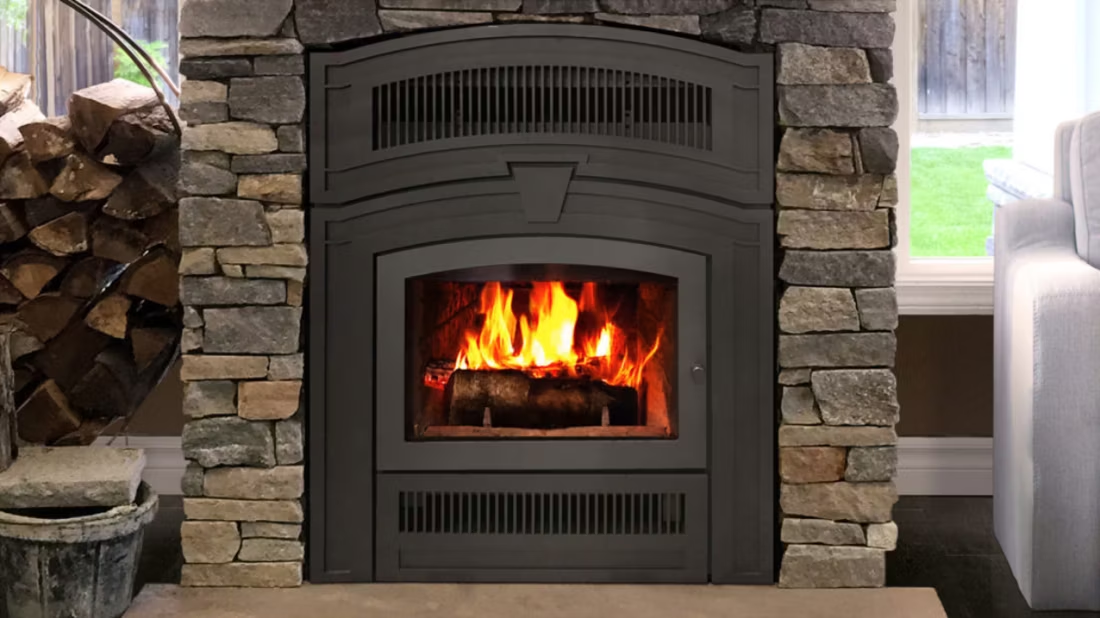
On top of the climate, Puget Sound Clean Air Agency enforces winter burn bans on high-pollution days, and Seattle's building code has restricted new wood-burning fireplace installations in new construction since 2015. Uncertified stoves can't operate during Stage 1 bans, and only EPA-certified sole-source heat devices are allowed during Stage 2. That said, wood stoves haven't disappeared: older Craftsman and Tudor homes in neighborhoods like Wallingford, Ballard, and Capitol Hill still have masonry chimneys, and some homeowners keep a certified stove or insert running for backup heat during the windstorm-driven power outages Seattle City Light crews respond to most winters, or simply for the ambiance of a real fire.
Firewood Cutting Permits Near Seattle
Three steps. No salesperson until you're ready.
Tell us about your project
Your zip code, your situation, and the fuel you're leaning toward—or let the answers point you to one.
See what's actually available
The brands dealers within 100 miles genuinely carry—real options, never a catalog mirage.
Get your dealer & Project Guide
A trusted local dealer, plus the free Project Guide & Parts List that names every component of the job.
Frequently Asked Questions
How much does a wood stove installation cost in Seattle?
Because new wood-burning installs are uncommon here, you won't find the volume of published pricing that colder inland cities have. As a general guide, a code-compliant EPA-certified stove with proper Class A venting typically runs several thousand dollars once labor and clearances are factored in, with masonry insert conversions running higher when a stainless chimney liner is needed. Given Seattle's permitting requirements and burn-ban rules, it's worth getting a firm, in-home quote from a local hearth dealer rather than estimating from a national average.
What size wood stove do I actually need in a Seattle home?
Most Seattle homes don't need a wood stove sized for primary heat the way a home in Bozeman or Duluth would. With winter lows averaging 37°F, a small to mid-size stove (roughly 1,000–1,500 sq ft rating) is usually plenty for supplemental heat in a single living area, den, or as backup during outages. Oversizing is the more common mistake here—a stove sized for a much colder climate will run too hot and smolder in Seattle's mild winters, building up creosote faster than it should.
Where do I find certified wood stove installers in Seattle?
Look for NFI (National Fireplace Institute) or CSIA (Chimney Safety Institute of America) certification—both matter more, not less, in a market like Seattle where wood installs are less routine and installers see fewer of them. A certified installer will also know how to navigate Seattle Department of Construction & Inspections (SDCI) permitting and register the unit correctly so it's recognized as compliant during Puget Sound Clean Air Agency burn bans. Skip general contractors for this work—improper venting is the top cause of chimney fires, and it's an even bigger risk when the installer doesn't do wood-burning jobs often.
What's the difference between a wood stove and a wood insert for a Seattle home?
A wood stove is freestanding and vents through new Class A pipe—it works in any room with proper clearances. A wood insert slides into an existing masonry fireplace and uses a liner run through the existing chimney. In Seattle, inserts are actually the more common of the two, since many older homes in neighborhoods like Ballard and Wallingford already have a masonry fireplace and chimney that just needs the liner and insert added. If your home was built after the mid-2010s and never had a chimney, a freestanding stove or a gas alternative is usually the more realistic path given current code.
Do I need a permit to install a wood stove in Seattle, and what about burn bans?
Yes—installations go through Seattle Department of Construction & Inspections (SDCI), and the unit must meet current EPA 2020 NSPS emissions standards. Most local installers handle the permit paperwork as part of the job. Separately, once installed, your stove is subject to Puget Sound Clean Air Agency burn restrictions: during a Stage 1 burn ban, only certified stoves and pellet stoves may operate; during Stage 2, only units registered as a household's sole source of heat are allowed to keep burning. Check the agency's air quality status before burning on stagnant winter days.
What's the best wood stove for Seattle's mild, wet climate?
Since Seattle rarely sees the extended sub-zero stretches that demand a 20-hour catalytic burn, a well-built non-catalytic stove from a brand like Pacific Energy or Lopi is usually the better fit—sized modestly, easy to run intermittently, and well suited to supplemental or backup use rather than round-the-clock heating. If you're relying on the stove as your registered sole-source heat appliance to keep burning during Puget Sound Clean Air Agency burn bans, make sure your installer registers it accordingly—that status only applies to specific certified units.
How often should my chimney be inspected in Seattle?
An annual CSIA-recommended inspection still applies here, even with lighter wood-burning use than colder climates see. Seattle's wet weather is actually harder on chimney masonry and flashing than the fire activity inside—moisture intrusion and moss growth on exterior chimneys are common local issues alongside the usual creosote buildup. Late summer, before burn-ban season starts, is the practical time to schedule a sweep and inspection.
Where can I get firewood or a cutting permit near Seattle?
Personal-use firewood cutting permits are available through Mt. Baker-Snoqualmie National Forest and Olympic National Forest, both within reach of the city, typically running $5 to $20 per cord during the May-through-October season. Common species in the region include Douglas fir, red alder, and lodgepole pine—fir and alder split and season well for stove use. For delivered firewood, several regional suppliers serve the greater Seattle area; confirm the wood is well-seasoned, since Western Washington's humidity means green wood takes noticeably longer to dry than in drier inland climates.
Wood vs. gas—which makes more sense for a Seattle home?
Gas is the more common choice in Seattle by a wide margin: it's instant, doesn't require chimney maintenance, isn't subject to Puget Sound Clean Air Agency burn bans, and fits the newer construction that dominates much of the city's housing stock. Wood still has a real case for specific situations—homes with existing masonry chimneys, homeowners who want a heat source that works when Seattle City Light power is out after a windstorm, or anyone who simply wants the ambiance of a live fire. If backup heat during outages is the priority, an EPA-certified wood stove registered as sole-source heat is worth discussing with a local dealer; if daily convenience is the priority, gas is almost always the better fit here.
What's the difference between an insert and a zero-clearance fireplace?
An insert is a fireplace that slides into a pre-existing wood-burning fireplace—if you don't have one, there's nothing to insert it into. A zero-clearance fireplace is built into a framed wall, which makes it the answer for remodels and new construction. Simple test: existing masonry fireplace means insert; blank or framed wall means zero-clearance.
Why is my open fireplace making my house colder?
Open fireplaces suck—literally. As the fire burns, it consumes air your furnace already paid to heat and pulls it out through the chimney, so the house is actually colder after the fire goes out than before you lit it. An insert fixes this: it seals the chimney, puts fixed glass across the front, and turns that hole in your house into a real heat source.
What is an in-home preview and do I need one?
It's a visit where a hearth professional measures your space, confirms the model you picked actually works in your home, and walks the specs—framing, gas line, venting, finish work—before anything is ordered. Some details you just can't know until you see the house. Never make a down payment without one; it's the single most-skipped step that burns buyers.
Can I install a fireplace myself?
If you're putting a fire in your house on purpose, it's best to work with an expert. Unless you're genuinely experienced in framing, gas line, vent pipe, and the national code on clearances to combustibles, have a professional do it—and ideally the same company that sells you the fireplace, so warranty, service, and liability all live under one roof.
Preferred Dealer in Seattle
Marked Preferred because they run on WhyFire's software—so they can show you real pricing and book your appointment right here. No manufacturer pays for placement. How we verify dealers →
Find your wood fireplace in Seattle.
Tell us about your home and how you'd use the fire, and we'll match you with a trusted local Seattle dealer who understands SDCI permitting and Puget Sound Clean Air Agency rules—plus a free Project Guide & Parts List with the exact venting and parts your project needs.
Find Your Fireplace →