
Find the right fireplace for your Williamsburg-area home.
Wood, gas, pellet, and electric fireplace resources for the City of Williamsburg, James City County, and York County—from historic downtown homes to new construction out toward Toano and Norge. Find the right unit and get matched with a trusted local hearth retailer.
Every Project Starts From One of These Five Situations
Mild winters and historic homes across the Historic Triangle.
Winters in Williamsburg are mild by national standards—average lows sit around 31°F and the area has less than half the winter heating load of a city like Burlington, VT or Duluth, MN sees in a typical winter. The heating season here generally runs from late November through early March. What makes the local hearth market distinct isn't harsh cold, it's housing stock: Colonial-era and Colonial Revival homes in and around downtown Williamsburg often have original masonry fireplaces built for wood, while newer construction in James City and York counties tends toward gas inserts, pellet stoves, and electric units for supplemental heat and ambiance rather than survival heating.
What you'll find on this hub: hearth retailers, service technicians, and fuel suppliers serving the whole Historic Triangle—from the City of Williamsburg out to Toano and Norge along Richmond Road, south to Croaker and Lightfoot, and east into York County toward Grafton and Tabb. Pick your fuel below to see local dealers, typical installation costs, and the resources specific to your project, whether you're restoring a period fireplace near Colonial Williamsburg or adding heat to a new build off Longhill Road.
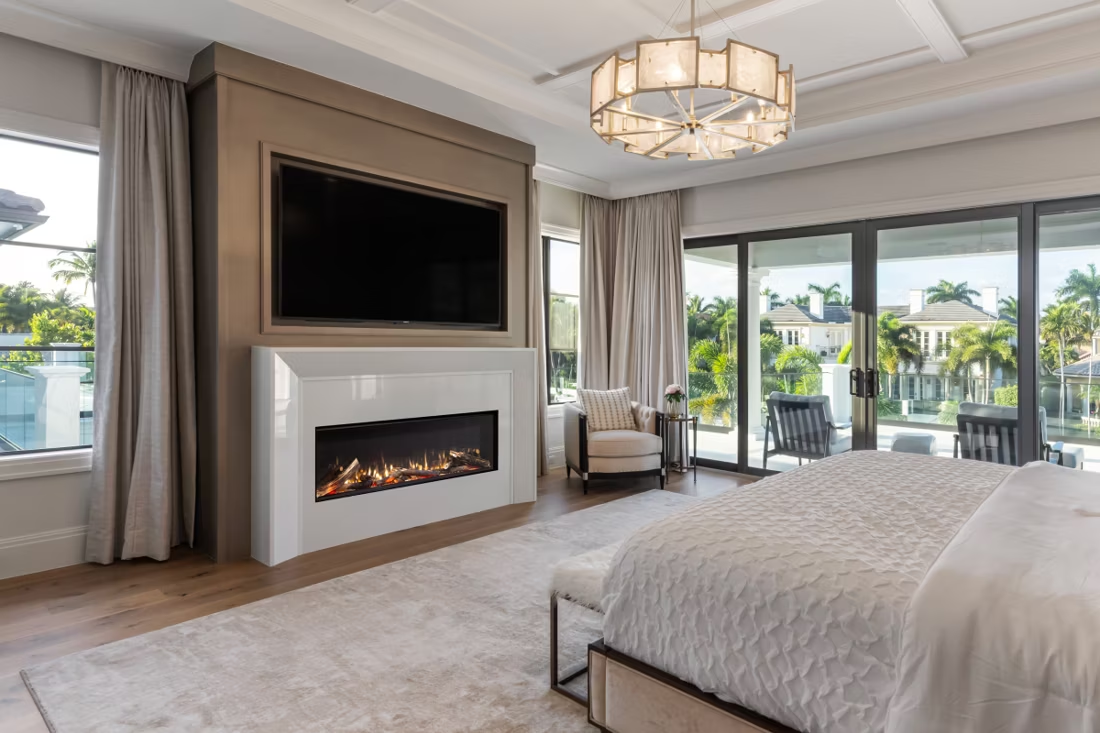
Four fuels. One honest answer for Williamsburg County.
Wood
77 models available near Williamsburg County.
Find your wood stove →Gas
365 models available near Williamsburg County.
Find your gas fireplace →Pellet
See what's available near Williamsburg County.
Find your pellet stove →Electric
11 models available near Williamsburg County.
Find your electric fireplace →Three steps. No salesperson until you're ready.
Tell us about your project
Your zip code, your situation, and the fuel you're leaning toward—or let the answers point you to one.
See what's actually available
The brands dealers within 100 miles genuinely carry—real options, never a catalog mirage.
Get your dealer & Project Guide
A trusted local dealer, plus the free Project Guide & Parts List that names every component of the job.
Frequently Asked Questions
Which fuel works best for a home in the Williamsburg area?
It depends on the home more than the climate here, since winters are mild—average lows around 31°F and a winter heating load far less than a place like Burlington, VT. Wood remains popular for original masonry fireplaces in older downtown Williamsburg homes, and oak, hickory, and maple are the common local species, but it's typically supplemental heat and ambiance rather than a primary furnace replacement. Gas is a strong fit where Virginia Natural Gas service is available in the City of Williamsburg and eastern James City County, or via propane in more rural stretches toward Toano and Norge—instant heat, no woodpile, and a cleaner look for renovated historic interiors. Pellet stoves are a middle option with regional fuel available through brands like Energex and Hamer Pellet Fuel. Electric fireplaces are common as secondary heat and ambiance additions, especially in newer construction and condos where a vented chimney isn't practical. Many homes here end up with a wood or gas fireplace as the centerpiece and an electric unit in a secondary room.
Do I need a permit to install a fireplace in the Williamsburg area?
In most cases, yes, and which office handles it depends on where you live. Inside the City of Williamsburg, permits for new wood stoves, inserts, gas fireplaces, and pellet stoves go through the city's building department; in the surrounding areas, James City County's Community Development office or York County's building division handles the same for their respective jurisdictions. Gas installations typically require a separate gas line permit and a licensed gas-fitter. Electric fireplaces generally don't require a permit unless the install involves new wiring or a dedicated circuit for a built-in unit. If you're renovating an original masonry fireplace in an older downtown home, plan for an inspection of the flue and firebox condition before any new insert goes in. Most local hearth retailers handle the permitting paperwork as part of the installation.
Are there any wood-burning restrictions in the Williamsburg area?
No—unlike some regions with winter inversion problems or ozone non-attainment status, the Historic Triangle doesn't have local air quality advisories or seasonal burn curtailment days tied to wood smoke. That said, EPA 2020 NSPS-certified stoves are still the standard for new installations and burn considerably cleaner and more efficiently than older uncertified units, which matters in a humid climate where creosote buildup is a real concern even without regulatory pressure. If you're restoring an older fireplace in a historic downtown home, check with the City of Williamsburg's building office about any additional requirements tied to historic district guidelines before altering the exterior or chimney.
Can one local retailer handle all four fuel types?
Several Williamsburg-area retailers carry three or four fuel types, which is helpful if you're still deciding. A dealer like Colonial Fireplace & Stove typically stocks wood, gas, and electric units and can walk you through trade-offs for a historic home renovation. Williamsburg Hearth & Patio tends to carry gas and pellet alongside electric display models. Smaller shops out toward Toano and Norge sometimes specialize more narrowly—often gas and propane-fed units given the propane infrastructure in those areas. If you're cross-shopping fuels, a multi-fuel dealer with working showroom displays is the easiest way to compare a wood insert against a gas unit side by side before committing.
How does service work for homes out in James City and York counties?
Most chimney sweeps and gas technicians serving the Williamsburg area are based near the city center and travel out to Toano, Norge, Lightfoot, Croaker, and the York County side toward Grafton and Tabb. Expect a modest travel fee for calls further from downtown Williamsburg, and know that pre-season scheduling in September and October is easier to book than a January service call after the first cold snap. If your home relies on propane in one of the more rural pockets, it's also worth confirming your tank delivery schedule ahead of the coldest stretch of winter so you're not caught short during a cold snap in January or February.
What's the typical cost range for fireplace installation across fuel types in the Williamsburg area?
Costs vary by fuel and by how much existing infrastructure you're working with. Wood stove or insert installation: $4,000–$8,500 for a typical retrofit into an existing masonry fireplace, more if the flue needs relining. Gas fireplace, insert, or stove: $4,500–$10,000, with cost driven heavily by whether you already have gas service nearby or need a new line run from the street or a propane tank installed. Pellet stove or insert: $4,000–$7,000 for most installs. Electric fireplace: $200–$3,000 for the unit itself, plus $300–$1,000 in labor for anything beyond a simple plug-in wall unit. Historic downtown homes sometimes carry added cost for chimney restoration work that isn't strictly part of the fireplace install but is required before a new unit can go in safely.
What is an in-home preview and do I need one?
It's a visit where a hearth professional measures your space, confirms the model you picked actually works in your home, and walks the specs—framing, gas line, venting, finish work—before anything is ordered. Some details you just can't know until you see the house. Never make a down payment without one; it's the single most-skipped step that burns buyers.
Can a fireplace actually lower my heating bill?
Yes—by creating a comfort zone. A furnace heats every square foot of the house just to warm the one room you're in; a gas fireplace on low burns roughly a sixth of the gas a typical furnace does. Set the furnace around 55–60 degrees as a baseline, then heat the rooms your family actually uses. Families who heat this way commonly save $20–$60 a month.
Can I install a fireplace myself?
If you're putting a fire in your house on purpose, it's best to work with an expert. Unless you're genuinely experienced in framing, gas line, vent pipe, and the national code on clearances to combustibles, have a professional do it—and ideally the same company that sells you the fireplace, so warranty, service, and liability all live under one roof.
Does a fireplace add value to my home?
On average, a fireplace adds back to the home about the same amount you spent installing it. Add the monthly savings from heating the rooms you actually use instead of the whole house—often hundreds of dollars a year—and the value case is strong before you even count what a fire does for how your family uses the room.
Stove and Fireplace Dealers in Williamsburg County
Listings include WhyFire partner dealers, dealers we have verified as authorized for the brands we recommend, and established local businesses that carry hearth products. Every listing shows which one it is. The ones marked Preferred run on WhyFire's software, so they can show you real pricing and book your appointment right here. No manufacturer pays for placement. How we verify dealers →
Fireside Hearth & Home - Newport News
Old Town Stove & Hearth
Phillips Energy,Inc - Providence Forge
Find your fireplace in the Williamsburg area.
Pick your fuel below to see local dealers, understand installation costs, and get a free Project Guide & Parts List matched to your home and your chosen retailer.
Find Your Fireplace →