
Find the right hearth for Portsmouth's mild Tidewater winters.
Wood, gas, pellet, and electric fireplace resources for Portsmouth and the surrounding Hampton Roads communities—built for a climate where heat is more about comfort, ambiance, and storm-season backup than survival warmth.
Every Project Starts From One of These Five Situations
Coastal heating in Portsmouth, Virginia.
Portsmouth sits on the Elizabeth River across from Norfolk, with a mild winter climate and an average winter low near 32°F—a fraction of what a place like Buffalo, NY sees in an average season. That means fireplaces here rarely have to run all winter just to keep a house livable. Instead, most homeowners use them for supplemental warmth on the coldest nights, ambiance in a living room, and—increasingly—as backup heat when nor'easters or hurricane-season storms knock out power along the coast. Seasoned oak, hickory, and maple are the standard firewood species sold locally, and they burn clean and hot when a wood stove or fireplace does get used.
This hub rounds up hearth retailers, chimney sweeps and gas technicians, and fuel suppliers serving Portsmouth and the Hampton Roads region—from Olde Towne's historic rowhouses to newer waterfront neighborhoods near the shipyard. Pick your fuel below for local dealers, realistic installation costs, and unit recommendations suited to a mild coastal climate rather than a mountain winter.
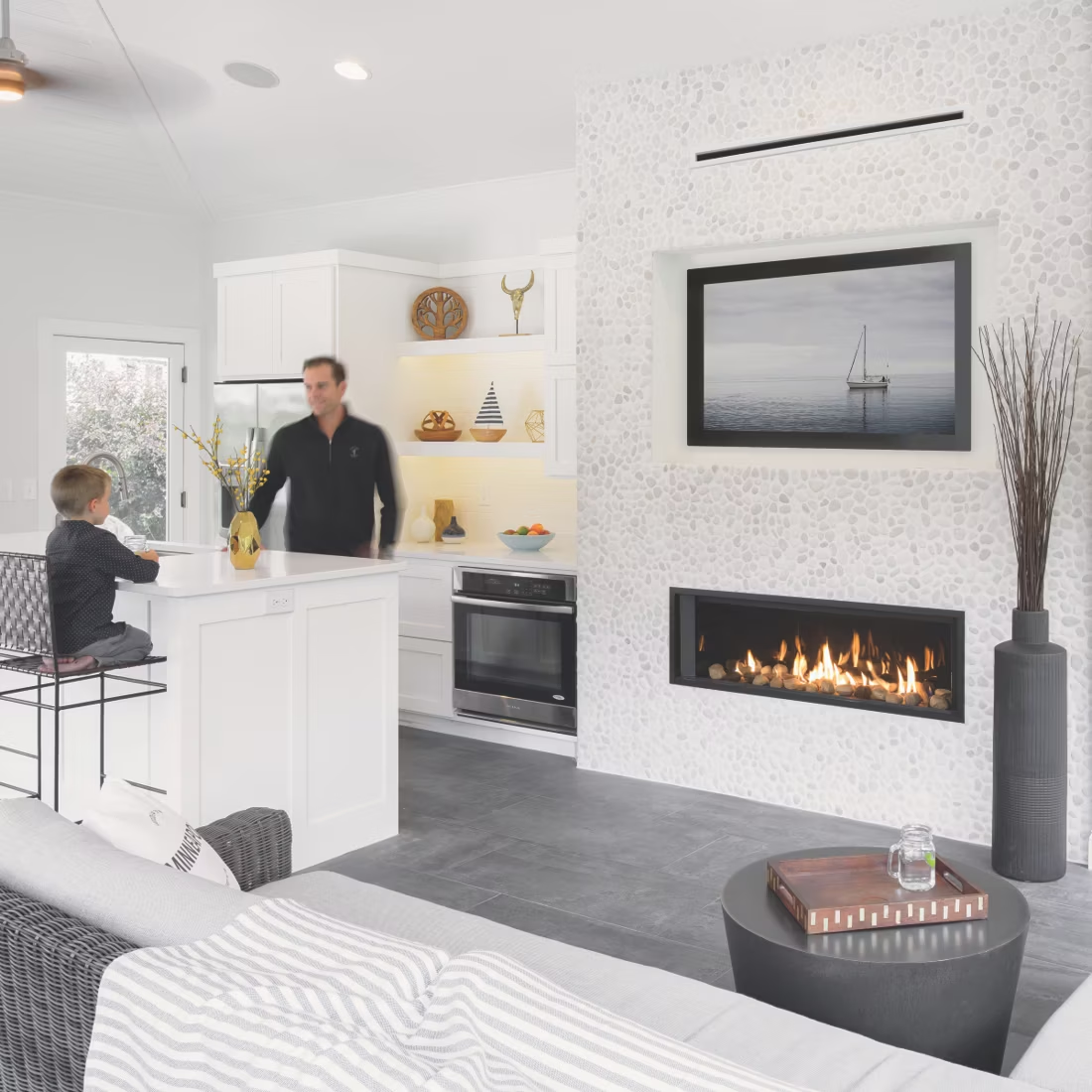
Four fuels. One honest answer for Portsmouth County.
Three steps. No salesperson until you're ready.
Tell us about your project
Your zip code, your situation, and the fuel you're leaning toward—or let the answers point you to one.
See what's actually available
The brands dealers within 100 miles genuinely carry—real options, never a catalog mirage.
Get your dealer & Project Guide
A trusted local dealer, plus the free Project Guide & Parts List that names every component of the job.
Frequently Asked Questions
Which fireplace fuel makes the most sense in Portsmouth's climate?
With such a mild winter climate and average winter lows around freezing, Portsmouth doesn't need the aggressive heat output that a wood stove provides in a colder climate like Duluth, MN. Gas fireplaces and inserts are popular here for their convenience and consistent output on the occasional cold snap, and many local homes use Virginia Natural Gas service to run them. Pellet stoves are a reasonable middle ground for homeowners who want a real fire without the year-round firewood management. Wood fireplaces and stoves still have a strong following, partly for ambiance and partly as backup heat during hurricane-season or nor'easter power outages—seasoned oak and hickory burn long and hot when the power's out. Electric fireplaces are common as supplemental heat in condos, apartments, and secondary rooms where running a flue isn't practical.
Do I need a permit to install a fireplace in Portsmouth?
Generally yes. Portsmouth's Permits and Inspections division requires permits for new wood stoves, wood-burning inserts, gas fireplaces, gas inserts, gas stoves, and pellet stoves under Virginia's Uniform Statewide Building Code. Gas work also requires a licensed gas fitter and a separate gas permit for line work. If you're in one of Portsmouth's historic districts, like Olde Towne, exterior chimney or venting changes may need an additional look from the historic review process before the building permit is issued. Electric fireplaces usually skip the permit process unless you're hardwiring a built-in unit into a new circuit. Most local dealers pull the permits as part of installation, so this typically isn't something homeowners have to manage themselves.
Are there any wood-burning or air quality restrictions in Portsmouth?
No—Portsmouth doesn't have the winter inversion or non-attainment issues that trigger burn advisories in some western cities. There are no mandatory curtailment periods here. That said, using well-seasoned hardwood—oak, hickory, and maple are the local standards—still matters for a cleaner, more efficient burn and less chimney buildup, regardless of whether there's a regulatory reason to care. If you're installing a new wood stove, it will still need to meet current EPA emissions standards as part of the building permit process.
Can one Portsmouth-area retailer handle wood, gas, pellet, and electric?
Several hearth retailers serving Portsmouth carry three or four fuel types under one roof, which makes cross-shopping easier if you're not sure which fuel fits your home. Others specialize—some focus mainly on gas and electric for newer waterfront construction where running a wood flue isn't practical, while others lean into wood and pellet for older homes with existing masonry chimneys. The county + fuel pages above break down which local dealers carry which fuel, so you can go straight to the ones that match your project instead of calling around.
How does service work for coastal and flood-prone Portsmouth homes?
Portsmouth's proximity to the Elizabeth River and its exposure to hurricane-season storms shape a few things about service here. Techs working on older Olde Towne homes are used to dealing with masonry chimneys that have seen decades of coastal humidity, and they'll often flag moisture or mortar issues during a routine sweep. For newer construction near the water, elevated foundations and flood-zone requirements can affect where a gas line or vent termination is allowed to run, so it's worth asking a local installer about flood-zone specifics before finalizing a gas fireplace or insert install. Scheduling annual service in early fall, ahead of storm season, is the easiest way to make sure a wood or gas unit is ready to serve as backup heat if a nor'easter knocks out power.
What does fireplace installation typically cost in the Portsmouth area?
Costs run lower here than in colder-climate regions since venting and chimney work tend to be more straightforward. Wood stove or insert installation typically runs $3,500–$7,500, more if new masonry or a full chimney liner is needed. Gas fireplace, insert, or stove installation typically runs $3,500–$8,500 depending on gas line work and venting. Pellet stove or insert installation typically runs $3,500–$6,000. Electric fireplace costs range from $200–$2,500 for the unit itself, plus $300–$1,000 in labor for anything beyond a plug-and-play install. The county + fuel pages above have more detail tied to specific local retailer pricing.
Wood, gas, pellet, or electric—how do I choose?
Match the fuel to your life, not the other way around. Wood: lowest fuel cost and total power-outage independence, but you're hauling and stacking. Gas: press a button, set a thermostat, no maintenance to speak of. Pellet: wood economics with automatic feeding, in exchange for weekly cleaning and a need for electricity. Electric: plugs in anywhere with honest supplemental heat. Nobody regrets the fuel that fits how they actually live.
Does a fireplace add value to my home?
On average, a fireplace adds back to the home about the same amount you spent installing it. Add the monthly savings from heating the rooms you actually use instead of the whole house—often hundreds of dollars a year—and the value case is strong before you even count what a fire does for how your family uses the room.
What is an in-home preview and do I need one?
It's a visit where a hearth professional measures your space, confirms the model you picked actually works in your home, and walks the specs—framing, gas line, venting, finish work—before anything is ordered. Some details you just can't know until you see the house. Never make a down payment without one; it's the single most-skipped step that burns buyers.
I know I want a fireplace—where do I actually start?
Do two things today: snap a photo of the wall or fireplace you want to transform, and take a tape measure to the space—width, height, depth. Those two artifacts answer most of a hearth professional's first questions. Then settle fuel (wood, gas, pellet, or electric) and set a realistic budget: $3,900–$5,500 covers fireplace, vent, and basic install for most homes.
Stove and Fireplace Dealers in Portsmouth County
Listings include WhyFire partner dealers, dealers we have verified as authorized for the brands we recommend, and established local businesses that carry hearth products. Every listing shows which one it is. The ones marked Preferred run on WhyFire's software, so they can show you real pricing and book your appointment right here. No manufacturer pays for placement. How we verify dealers →
Taylor's Do It Center
Ray Johnson's Fireplace Shop
Coastal Chimney & Contracting, Corp.
Fireside Hearth & Home - Newport News
Taylor's Fire Works
Solid Structures
Get your Portsmouth fireplace project mapped out.
Pick your fuel below and we'll match you with a trusted local dealer and send over a free Project Guide & Parts List—the exact parts, including the vent kit, for your project in Portsmouth.
Find Your Fireplace →