
Find the right heat source for Lipscomb County's open plains winters.
Wood, gas, pellet, and electric fireplace resources for Lipscomb, Booker, Follett, Higgins, and the ranches between them. Find the right unit and connect with a trusted local hearth retailer.
Every Project Starts From One of These Five Situations
Panhandle wind and cold snaps shape how this county heats.
Lipscomb County sits in the far northeast corner of the Texas Panhandle, a stretch of rolling shortgrass prairie and shelterbelt timber along the Canadian River breaks. Winters aren't as brutal as Fargo, ND, but the wind is relentless, average lows drop into the low 20s, and this county logs nearly 4,000 heating degree days a year—enough that most homes run a heating appliance most days from November through March. Oak, pecan, and mesquite from the river-bottom country are the wood species locals actually burn, and mesquite in particular is prized for its long, hot coal bed once seasoned.
With a population under 2,600 spread across a county roughly the size of a small state's worth of ranchland, hearth retailers here often cover a wide service radius—homes in Booker, Follett, Higgins, and unincorporated ranch communities all draw on the same handful of dealers and installers. Pick your fuel below to see local dealers, typical installation costs, and recommended units for this county's climate and rural layout.
Four fuels. One honest answer for Lipscomb County.
Three steps. No salesperson until you're ready.
Tell us about your project
Your zip code, your situation, and the fuel you're leaning toward—or let the answers point you to one.
See what's actually available
The brands dealers within 100 miles genuinely carry—real options, never a catalog mirage.
Get your dealer & Project Guide
A trusted local dealer, plus the free Project Guide & Parts List that names every component of the job.
Frequently Asked Questions
Which fuel works best in Lipscomb County?
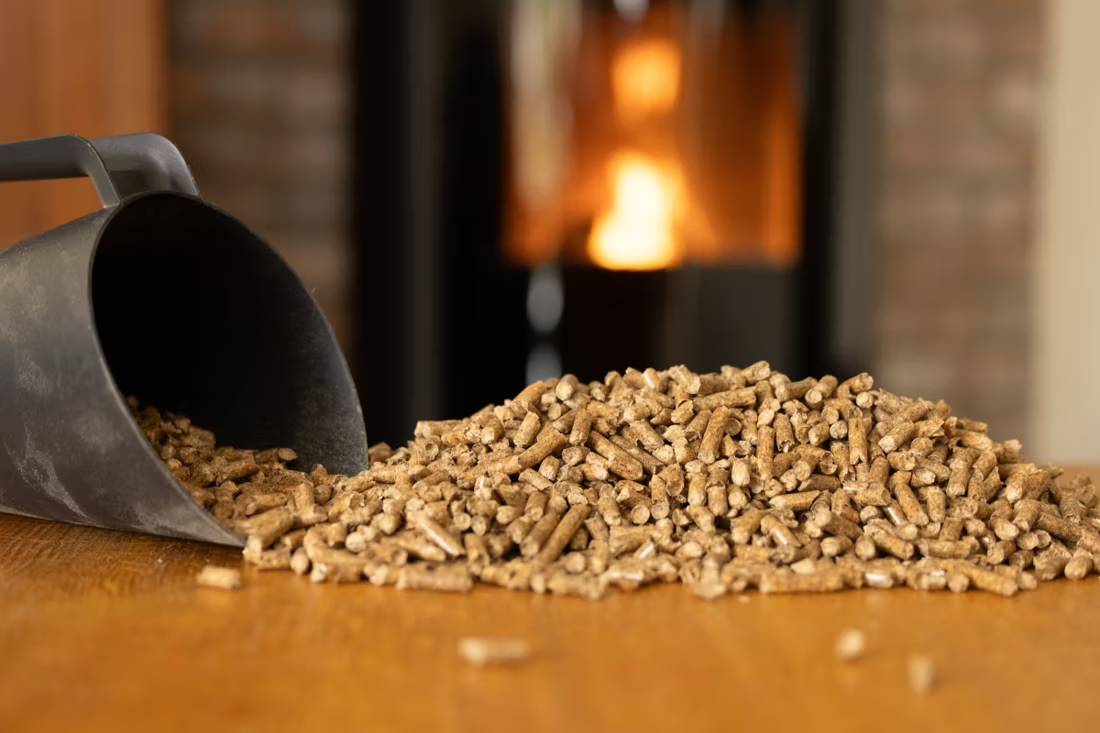
All four fuels see regular use here, and the right one depends on your setup. Wood is a genuine cost-saver on ranch properties with access to mesquite, oak, or pecan—mesquite especially burns hot and long once cured, and plenty of local homes still rely on a wood stove as either primary or serious backup heat during ice storms and power outages. Gas is the practical default where propane delivery is reliable—Lipscomb County has no natural gas utility infrastructure in most areas, so gas fireplaces and stoves here typically run on propane tanks rather than piped gas, which is worth planning for in your budget. Pellet works fine climate-wise (this isn't extreme cold like International Falls, MN) but depends on having a supplier who'll deliver—Forest Energy and Lignetics bags are the ones most commonly stocked at co-ops and farm stores in this part of the Panhandle. Electric is a solid supplemental choice for bedrooms or a den, but with average winter lows in the low 20s and frequent high winds that can stress the power grid, most rural homeowners here keep a wood or propane backup rather than relying on electric alone.
Do I need a permit to install a fireplace in Lipscomb County?
It depends on where you're building. Inside the city limits of Lipscomb, Booker, Follett, or Higgins, check with the city office before installing a new wood stove, insert, gas appliance, or pellet stove—most municipal codes in small Panhandle towns still require a building permit for new venting or gas line work, even if enforcement is informal. Out in unincorporated Lipscomb County, which covers the vast majority of the land area, there's no county-level building permit requirement for most residential hearth installations, though any propane tank installation or connection still needs to go through a licensed propane provider. Regardless of jurisdiction, a reputable local installer will know exactly what's required for your specific address and will typically handle any paperwork as part of the job.
Are there air quality restrictions on wood burning in Lipscomb County?
No. Lipscomb County isn't in a non-attainment area and doesn't have winter inversion issues or burn-ban air quality advisories tied to wood smoke the way some Western basin counties do. The open, windy Panhandle geography here disperses smoke quickly rather than trapping it. The main local restriction to be aware of is drought-driven outdoor burn bans, which the county judge can declare during dry spells—those apply to open burning of brush and debris, not to properly installed indoor wood stoves or fireplaces, so they generally don't affect your ability to heat your home with wood.
Can one local hearth retailer handle all four fuel types?
In a county this small and rural, it's common for a single dealer to be the practical option for whatever fuel you need, simply because there isn't a large roster of competing specialists. Given the propane-heavy gas market and the strength of wood heating culture on area ranches, look for a retailer who stocks both wood stoves and propane-fired appliances, since those two fuels cover most Lipscomb County households. Pellet and electric units are typically special-order or lower-volume items here rather than showroom staples—a good local dealer can still get them, but expect a longer lead time than you'd see in a bigger Panhandle town like Pampa or Amarillo.
How does service work for a rural Lipscomb County property?
Most chimney sweeps and gas techs serving this county are based out of a larger Panhandle town and travel in on a route basis rather than keeping a local office in Lipscomb, Booker, Follett, or Higgins. Expect to schedule a service call rather than same-day service, and expect a trip charge for the drive—distances between ranch properties here can easily run 20-30 miles one way. Late summer and early fall (August-October) is the best window to book annual chimney sweeping or gas appliance inspection before the first cold front rolls through; waiting until a January ice storm knocks out power means you're competing with everyone else's emergency calls.
What's the typical cost range for fireplace installation across all fuel types in Lipscomb County?
Costs run in line with rural Panhandle norms, though rural travel fees can push totals higher than a metro-area quote. Wood stove or insert installation: roughly $4,000-$8,500 for a typical job, more if new chimney chase work is needed on an older ranch house. Gas fireplace, insert, or stove: roughly $4,500-$10,000, with propane tank setup and line run adding to the cost if you don't already have service in place. Pellet stove or insert: roughly $4,000-$7,000 for a standard install. Electric fireplace: $200-$3,000 for the unit itself, with $400-$1,200 in labor if it's more than a plug-and-play insert. Ask any quote to itemize travel/trip charges separately, since that's the line item that varies most in a low-density county like this one.
Can a fireplace actually lower my heating bill?
Yes—by creating a comfort zone. A furnace heats every square foot of the house just to warm the one room you're in; a gas fireplace on low burns roughly a sixth of the gas a typical furnace does. Set the furnace around 55–60 degrees as a baseline, then heat the rooms your family actually uses. Families who heat this way commonly save $20–$60 a month.
Does a fireplace add value to my home?
On average, a fireplace adds back to the home about the same amount you spent installing it. Add the monthly savings from heating the rooms you actually use instead of the whole house—often hundreds of dollars a year—and the value case is strong before you even count what a fire does for how your family uses the room.
Wood, gas, pellet, or electric—how do I choose?
Match the fuel to your life, not the other way around. Wood: lowest fuel cost and total power-outage independence, but you're hauling and stacking. Gas: press a button, set a thermostat, no maintenance to speak of. Pellet: wood economics with automatic feeding, in exchange for weekly cleaning and a need for electricity. Electric: plugs in anywhere with honest supplemental heat. Nobody regrets the fuel that fits how they actually live.
Should the dealer who sells my fireplace also install it?
Ideally, yes. A fireplace project involves vent pipe, gas line, electrical, and often tile or stone. Hire three or four separate trades and you own the liability and the game of telephone between them. One company selling and installing means one accountable party, start to finish—ask about factory training, on-time completion records, and what happens if an inspection fails.
Stove and Fireplace Dealers in Lipscomb County
Listings include WhyFire partner dealers, dealers we have verified as authorized for the brands we recommend, and established local businesses that carry hearth products. Every listing shows which one it is. The ones marked Preferred run on WhyFire's software, so they can show you real pricing and book your appointment right here. No manufacturer pays for placement. How we verify dealers →
Find your fireplace in Lipscomb County.
Pick your fuel below and we'll match you with a trusted local dealer, plus send a free Project Guide & Parts List covering your exact parts, vent kit, and installation plan for your home.
Find Your Fireplace →