
Find the right fireplace for a North Texas winter.
Wood, gas, pellet, and electric fireplace resources for every town and rural stretch of Clay County—from Henrietta to Petrolia. Find the right unit and connect with a trusted local hearth retailer.
Every Project Starts From One of These Five Situations
Mild winters, real heating needs, across Clay County, Texas.
Clay County sits in the Texas Cross Timbers, a rolling landscape of oak and mesquite just south of the Red River. Winters here are mild compared to the northern plains—average lows hover around 29°F and the county has a light overall winter heating load, a fraction of what a place like Bismarck ND or Fargo ND sees. But mild doesn't mean irrelevant: cold fronts off the Panhandle can drop temperatures fast, and a fireplace or stove still matters for the handful of genuinely cold weeks each winter, plus the everyday comfort and backup heat value that rural Texas homes rely on when ice storms knock out power. Oak, pecan, and mesquite are the wood species most commonly burned here, often sourced from the same land being cleared for pasture or cropland.
What you'll find on this hub: hearth retailers, service technicians, and fuel suppliers serving every community in the county—from the county seat in Henrietta out to Byers, Petrolia, and Bellevue. Pick your fuel below to drill into specifics—local dealers, installation costs, recommended units, and the resources that match your project. Whether you're heating a farmhouse outside Byers or adding ambiance to a home in town, this is the starting point.
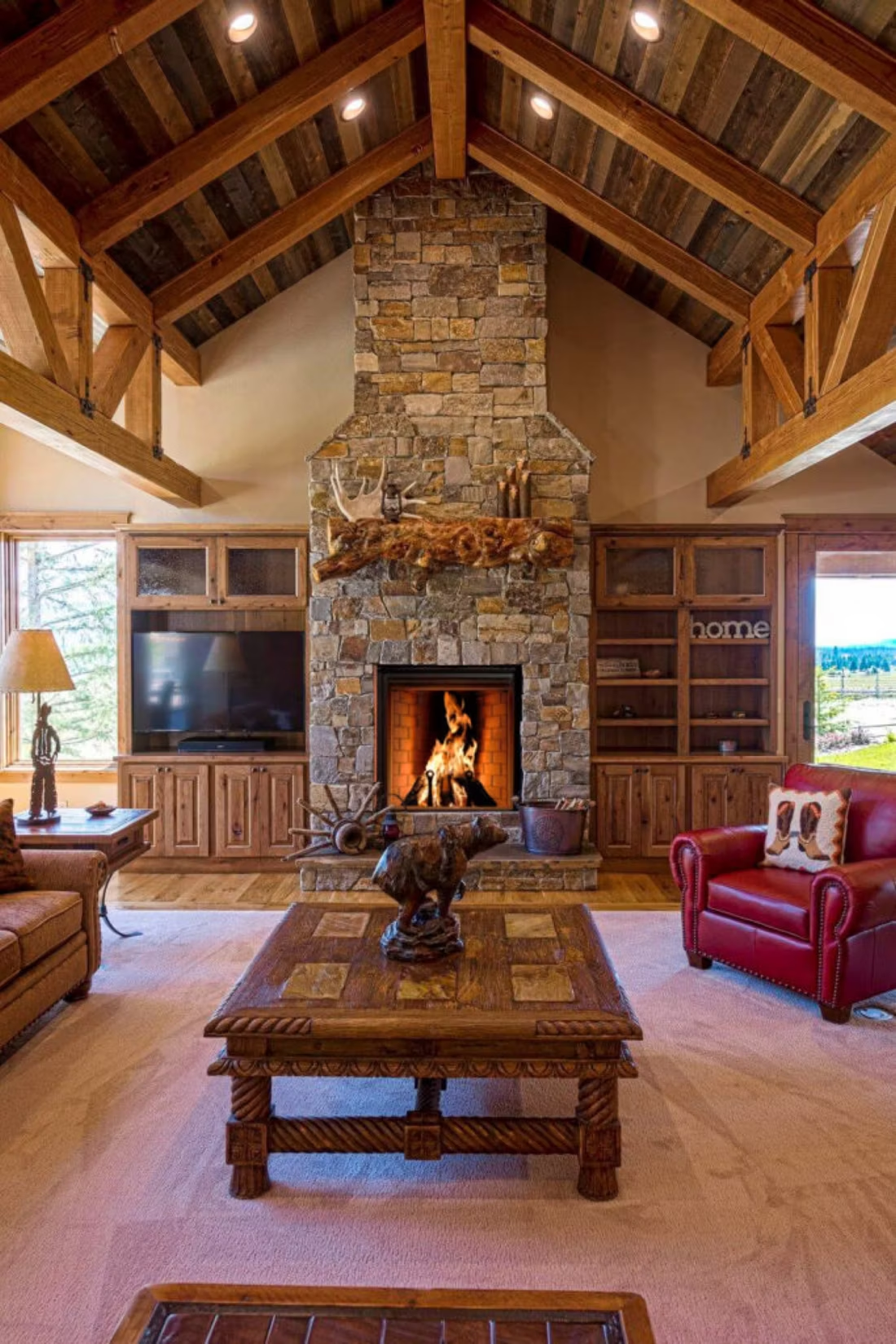
Four fuels. One honest answer for Clay County.
Three steps. No salesperson until you're ready.
Tell us about your project
Your zip code, your situation, and the fuel you're leaning toward—or let the answers point you to one.
See what's actually available
The brands dealers within 100 miles genuinely carry—real options, never a catalog mirage.
Get your dealer & Project Guide
A trusted local dealer, plus the free Project Guide & Parts List that names every component of the job.
Frequently Asked Questions
Which fuel works best in Clay County?
With such a light overall winter heating load, Clay County doesn't demand the round-the-clock heat output a colder state would. That opens up more options. Wood is a strong fit given the local supply of oak, pecan, and mesquite—many rural homeowners already have access to fuel from land clearing. Gas is popular in and around Henrietta for its convenience and instant-on heat during quick cold snaps rather than sustained deep freezes. Pellet stoves work well for homeowners who want wood-style ambiance without the labor, and regional supply from Forest Energy and Lignetics keeps fuel accessible. Electric fireplaces are a genuinely practical choice here too—with winters this mild, electric can serve as a home's primary supplemental heat source in many rooms, not just an ambiance piece. Most Clay County homes end up choosing based on lifestyle and budget rather than climate necessity.
Do I need a permit to install a fireplace in Clay County?
In most cases, yes, for wood, gas, and pellet installations—new stoves, inserts, and fireplace units typically require a building permit, and gas installs need a separate gas line permit completed by a licensed installer. Electric fireplaces usually don't require a permit unless the installation involves new wiring or a built-in unit tied into a home's electrical system. Because Clay County includes both incorporated towns like Henrietta and large stretches of unincorporated ranch land, where you file depends on your address—ask your local hearth retailer, since most handle the permitting process as part of installation.
Are there air quality restrictions on wood burning in Clay County?
No. Clay County has no air quality non-attainment designations or wood-burning curtailment programs, unlike basin or valley counties elsewhere in the country that see winter inversions trap smoke. That said, EPA 2020 NSPS emissions standards still apply to any new wood stove sold and installed, so newer units burn noticeably cleaner and more efficiently than older uncertified stoves—worth factoring in even without a regulatory mandate.
Can one local hearth retailer handle all four fuel types?
Many hearth retailers serving Clay County, whether based in Henrietta or making the drive from Wichita Falls, carry a mix of wood, gas, pellet, and electric units under one roof, since North Texas customers commonly cross-shop fuels rather than committing to one type upfront. Smaller local shops may lean heavier on wood and gas given regional demand, with electric and pellet as secondary lines. If you're not sure which fuel fits your home, a multi-fuel dealer can walk you through working displays and talk through real trade-offs for your situation rather than pushing one product.
How does service work in rural parts of Clay County?
Most technicians serving Clay County are based in Henrietta or Wichita Falls and travel out to Byers, Petrolia, Bellevue, and the ranch roads between them. Expect a modest travel fee for calls further from town. Fall is the best window to schedule annual chimney sweeps and gas inspections, before the first hard cold front of the season arrives—appointments tend to fill up fast once temperatures drop, even in a mild-winter county like this one.
What's the typical cost range for fireplace installation across all fuel types in Clay County?
Wood stove or insert installation: roughly $4,000–$8,500 for a typical install, higher for new chimney construction. Gas fireplace, insert, or stove: roughly $4,000–$10,000 depending on whether new gas line work is needed. Pellet stove or insert: roughly $4,000–$7,000 for a typical install. Electric fireplace: $200–$3,000 for the unit itself, plus $300–$1,000 in labor for anything beyond a plug-and-play wall unit. For fuel-specific breakdowns tied to local retailer pricing, see the county + fuel pages above.
Does a fireplace add value to my home?
On average, a fireplace adds back to the home about the same amount you spent installing it. Add the monthly savings from heating the rooms you actually use instead of the whole house—often hundreds of dollars a year—and the value case is strong before you even count what a fire does for how your family uses the room.
What is an in-home preview and do I need one?
It's a visit where a hearth professional measures your space, confirms the model you picked actually works in your home, and walks the specs—framing, gas line, venting, finish work—before anything is ordered. Some details you just can't know until you see the house. Never make a down payment without one; it's the single most-skipped step that burns buyers.
Can a fireplace actually lower my heating bill?
Yes—by creating a comfort zone. A furnace heats every square foot of the house just to warm the one room you're in; a gas fireplace on low burns roughly a sixth of the gas a typical furnace does. Set the furnace around 55–60 degrees as a baseline, then heat the rooms your family actually uses. Families who heat this way commonly save $20–$60 a month.
What are the biggest mistakes people make buying a fireplace?
Five come up constantly: budgeting for the unit but not the full job (vent, gas line, electrical, finish work); drowning in options instead of starting from style and fuel; buying without an in-home preview; handing installation to a handyman instead of a pro; and giving up out of sheer indecision. Every one is avoidable with a clear plan—step one, step two, step three.
Stove and Fireplace Dealers in Clay County
Listings include WhyFire partner dealers, dealers we have verified as authorized for the brands we recommend, and established local businesses that carry hearth products. Every listing shows which one it is. The ones marked Preferred run on WhyFire's software, so they can show you real pricing and book your appointment right here. No manufacturer pays for placement. How we verify dealers →
The Ember Shop, Inc.
Home Escapes & More
Heffley's Hearth & Home
David's Stove Shop Inc
Alliance Materials, Inc.
Polar Bear Chimney Sweep
Bbq Outfitters
Sweeps N Ladders
Find your fireplace in Clay County.
Pick your fuel below, and we'll match you with a trusted local dealer and send you a free Project Guide & Parts List—the exact parts, including the vent kit, for your project in Clay County.
Find Your Fireplace →