
Find the right hearth for Callahan County winters.
Wood, gas, pellet, and electric fireplace resources for every city and rural community in Callahan County—from Baird to Cross Plains. Find the right unit and connect with a trusted local hearth retailer.
Every Project Starts From One of These Five Situations
Mild-winter heating across Callahan County, Texas.
Callahan County sits in the rolling plains of west-central Texas, where winters are short and comparatively mild—average lows hover around 30°F and the county has a light overall winter heating load, just a fraction of what a place like Bismarck or Fargo racks up. That doesn't mean fireplaces sit unused. Cold fronts can drop temperatures sharply overnight, and a lot of homeowners here still want a reliable heat source for those snaps, plus the ambiance and backup heat a fireplace provides during the region's occasional ice storms and grid strain. Oak, pecan, and mesquite are the wood species locals actually burn—mesquite in particular burns hot and long, a favorite for both stoves and outdoor cooking.
What you'll find on this hub: hearth retailers, service technicians, and fuel suppliers serving every community in the county—from Baird and Clyde along I-20 to Cross Plains and Putnam to the south. Pick your fuel below to drill into specifics—local dealers, installation costs, recommended units, and the resources that match your project. Whether you're heating a ranch house outside Baird or a lake property near Lake Clyde, this is the starting point.
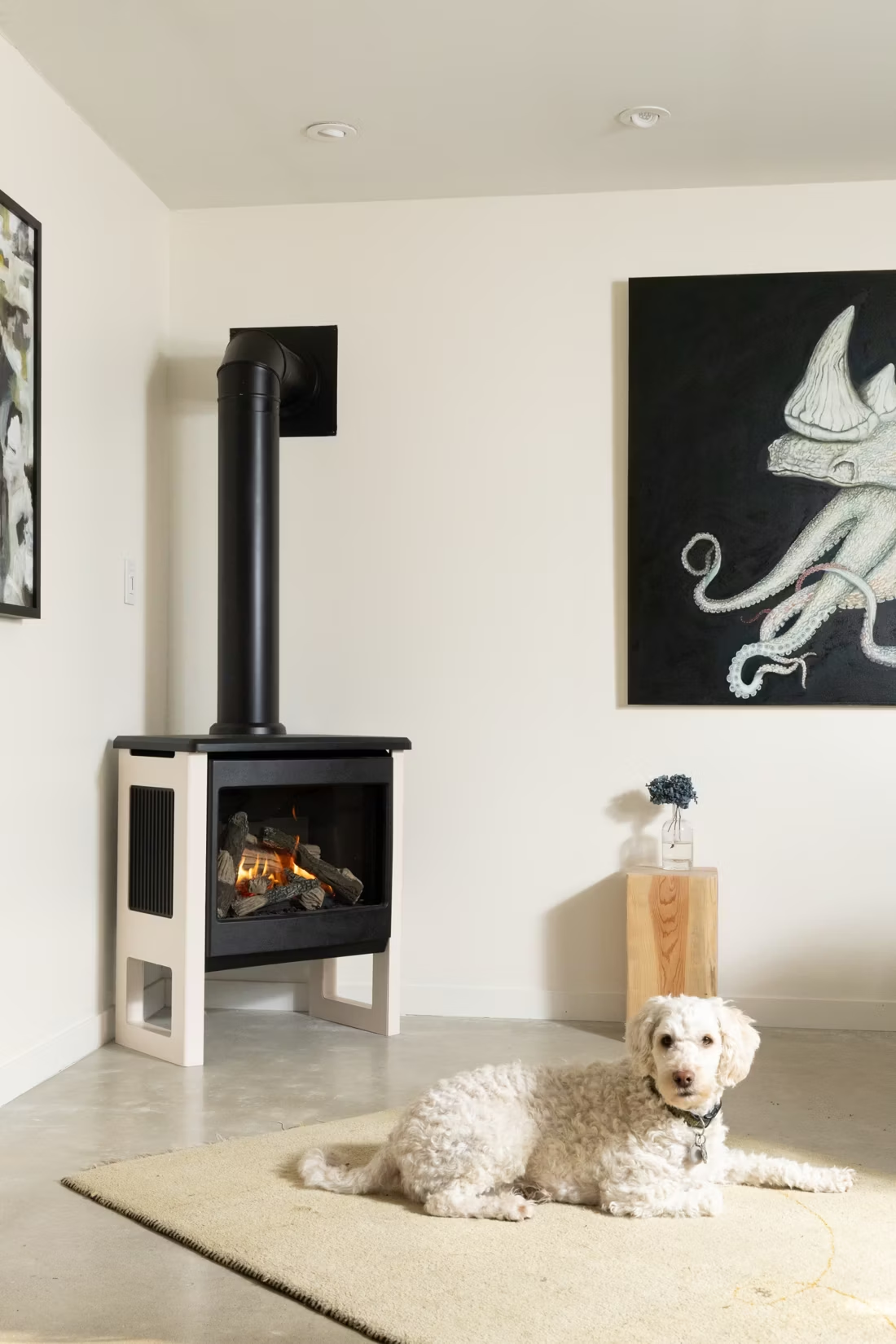
Four fuels. One honest answer for Callahan County.
Three steps. No salesperson until you're ready.
Tell us about your project
Your zip code, your situation, and the fuel you're leaning toward—or let the answers point you to one.
See what's actually available
The brands dealers within 100 miles genuinely carry—real options, never a catalog mirage.
Get your dealer & Project Guide
A trusted local dealer, plus the free Project Guide & Parts List that names every component of the job.
Frequently Asked Questions
Which fuel makes the most sense for Callahan County's mild winters?
With such a light overall winter heating load and average lows around 30°F, Callahan County doesn't need the same all-night, single-digit-tolerant heating setups that places like Duluth or Fargo require. Gas fireplaces and inserts are popular here because they deliver instant heat during cold-front snaps without daily tending, and propane is widely available in the unincorporated parts of the county. Wood—oak, pecan, and mesquite—remains a strong choice for homeowners who like the ambiance and want a heat source that works if the power goes out during an ice storm. Pellet stoves are a smaller but steady segment, mostly for homeowners who want wood-like heat without splitting and stacking. Electric fireplaces work well as supplemental heat in bedrooms or additions, but given the mild climate, few homes here rely on electric as a primary heat source.
Do I need a permit to install a fireplace in Callahan County?
Generally yes for wood, gas, and pellet installations, though requirements vary by whether you're inside city limits. Baird and Clyde issue their own building permits for new construction and major venting or gas-line work; unincorporated areas of the county typically follow county building requirements, which are less involved than what you'd find in a large metro like Abilene but still cover gas-line connections and any new chimney or vent penetration. Gas fireplace installs need a licensed gas-fitter for the line work regardless of jurisdiction. Electric fireplaces usually skip the permit process unless you're hardwiring a built-in unit into a new circuit. Most local retailers handle the permitting paperwork as part of the installation, so you're not typically filing it yourself.
Are there any wood-burning restrictions in Callahan County?
No—Callahan County has no air quality non-attainment designation and no winter burn-ban advisories tied to inversions or wildfire smoke, unlike parts of Oregon or California's Central Valley. The main restriction homeowners should be aware of is drought-driven outdoor burn bans issued by the county judge, which apply to open burning (brush piles, debris) rather than indoor wood stoves or fireplaces. Indoor wood-burning appliances are unaffected by those bans. New wood stove installs still need to meet current EPA emissions standards, which is a national requirement, not a local one specific to Callahan County.
Can one local retailer handle all four fuel types?
Most hearth retailers covering Callahan County are based in the Abilene area and carry a mix of wood, gas, and pellet—full four-fuel showrooms including electric are less common in a county this size, so cross-shopping often means visiting a dealer in Abilene or Clyde who stocks working displays across categories. Smaller local shops closer to Baird and Cross Plains tend to specialize in wood and gas, since those two fuels cover the bulk of demand in the county. If you're undecided on fuel type, it's worth asking a retailer directly which lines they carry in-store versus special-order, since propane appliances in particular can vary by supplier availability out here.
How does service work for homes outside Baird and Clyde?
Most chimney sweeps and gas technicians serving Callahan County are based in Abilene and drive out to rural properties around Cross Plains, Putnam, and the unincorporated areas along Callahan Divide. Expect a modest trip fee for service calls outside the I-20 corridor, and plan ahead—pre-season appointments (September–October) are far easier to book than an emergency call during the first cold front of the season. For wood-burning homes on rural acreage, annual sweeps matter more than you'd think: mesquite and oak both produce dense creosote buildup, and a chimney that goes two or three seasons without cleaning is a real fire risk.
What does fireplace installation typically cost in Callahan County?
Costs run lower here than in colder, higher-regulation markets, partly because there's no EPA non-attainment overlay driving extra equipment requirements. Wood stove or insert installation: roughly $3,500–$7,500 for a typical retrofit, higher if new chimney construction is involved. Gas fireplace, insert, or stove: $4,000–$9,000 depending on whether a new gas line has to be run—homes already on propane service tend to land on the lower end. Pellet stove or insert: $3,500–$6,500 for most installs. Electric fireplace: $200–$2,500 for the unit itself, plus $300–$1,000 in labor for anything beyond a plug-and-play placement. See the county + fuel pages above for retailer-specific pricing.
Does a fireplace add value to my home?
On average, a fireplace adds back to the home about the same amount you spent installing it. Add the monthly savings from heating the rooms you actually use instead of the whole house—often hundreds of dollars a year—and the value case is strong before you even count what a fire does for how your family uses the room.
Can I install a fireplace myself?
If you're putting a fire in your house on purpose, it's best to work with an expert. Unless you're genuinely experienced in framing, gas line, vent pipe, and the national code on clearances to combustibles, have a professional do it—and ideally the same company that sells you the fireplace, so warranty, service, and liability all live under one roof.
Can a fireplace actually lower my heating bill?
Yes—by creating a comfort zone. A furnace heats every square foot of the house just to warm the one room you're in; a gas fireplace on low burns roughly a sixth of the gas a typical furnace does. Set the furnace around 55–60 degrees as a baseline, then heat the rooms your family actually uses. Families who heat this way commonly save $20–$60 a month.
Wood, gas, pellet, or electric—how do I choose?
Match the fuel to your life, not the other way around. Wood: lowest fuel cost and total power-outage independence, but you're hauling and stacking. Gas: press a button, set a thermostat, no maintenance to speak of. Pellet: wood economics with automatic feeding, in exchange for weekly cleaning and a need for electricity. Electric: plugs in anywhere with honest supplemental heat. Nobody regrets the fuel that fits how they actually live.
Stove and Fireplace Dealers in Callahan County
Listings include WhyFire partner dealers, dealers we have verified as authorized for the brands we recommend, and established local businesses that carry hearth products. Every listing shows which one it is. The ones marked Preferred run on WhyFire's software, so they can show you real pricing and book your appointment right here. No manufacturer pays for placement. How we verify dealers →
Area – San Angelo, Tx
Unlimited Air
Get matched with a Callahan County hearth dealer.
Pick your fuel below and we'll put together a free Project Guide & Parts List—the exact parts, vent kit included, and our recommended local dealer for your project.
Find Your Fireplace →