
Instant warmth and ambiance for -21.3°C prairie nights.
North Battleford's winter lows average -21.3°C, and most homes here heat with SaskEnergy natural gas or wood cut from the aspen and spruce stands along the North Saskatchewan River. An electric fireplace won't replace that furnace, but it adds instant, no-venting ambiance and zone heat anywhere you have an outlet. I'll match you with a trusted local dealer and send a free planning packet sized to your room.
Every Project Starts From One of These Five Situations
A supplement to the furnace, not a replacement for it.
North Battleford sits in climate zone 7B at 526 metres elevation on the North Saskatchewan River, and the numbers are blunt: winter lows average -21.3°C, and the heating season here runs long and hard, on par with Saskatoon or Prince Albert rather than milder parts of the prairies. At those temperatures, a 1,500-watt electric heating element isn't going to carry a house through January—whole-home heat here comes from SaskEnergy natural gas furnaces or wood stoves burning trembling aspen, paper birch, jack pine, and white spruce cut from the northern forest fringe. Electric fireplace relevance is standard in this market, but it's standard as a zone-heat and ambiance product, not as a substitute for the furnace.
Where electric earns its keep is in the rooms the furnace doesn't reach as well, or the renovations where running a gas line or a Class A chimney isn't practical: basement rec rooms, primary bedrooms, condos and apartments downtown, and rental units where a landlord wants heat and glow without touching the gas system. At SaskPower's residential rate of $0.159 per kWh, a unit sized for supplemental use costs a modest amount to run compared to whole-home heating, and install costs of $500 to $1,600 make it one of the easiest upgrades a North Battleford homeowner can make—usually without the permit and inspection work that a wood or gas project involves.
Three steps. No salesperson until you're ready.
Tell us about your project
Your postal code, your situation, and the fuel you're leaning toward—or let the answers point you to one.
See what's actually available
The brands dealers within 100 miles genuinely carry—real options, never a catalog mirage.
Get your dealer & Project Guide
A trusted local dealer, plus the free Project Guide & Parts List that names every component of the job.
Frequently Asked Questions
How much does it cost to install an electric fireplace in North Battleford?
Most electric fireplace installs here run $500 to $1,600 CAD. A plug-in wall-mount or mantel package that runs on a standard 120-volt outlet sits at the low end and is a same-day project. A built-in insert or a linear unit that needs a dedicated 240-volt circuit costs more once an electrician is involved, and that electrical work typically needs a permit through the municipal building department. Either way, there's no chimney, no gas line, and no WETT inspection to schedule, which is a big part of why electric is the fastest project on this site.
Can an electric fireplace actually heat a North Battleford home through winter?
Not on its own. With winter lows averaging -21.3°C and stretches that go colder, a typical electric fireplace putting out 5,000 to 9,000 BTU is built for zone heat in a single room, not for carrying a whole house the way a SaskEnergy-fed furnace or a wood stove burning jack pine and spruce can. Most North Battleford households run electric as a supplement in a bedroom, basement, or family room while the furnace handles the rest of the house—it's honest to treat it as ambiance-plus-comfort rather than a heating system replacement.
Electric vs. gas fireplace—which makes more sense here?
They solve different problems. A gas fireplace tied into the SaskEnergy network runs $6,000 to $15,000 CAD installed but puts out real furnace-level heat and keeps working during a power outage, which matters on the prairie when a January windstorm takes SaskPower lines down. An electric fireplace at $500 to $1,600 CAD installed gives you instant flame-look ambiance and light supplemental heat with none of the gas line or venting work, but it goes dark the moment the power does. A lot of homeowners here use gas or wood for the room that needs to stay warm no matter what, and electric for secondary rooms where convenience matters more than backup heat.
Do I need a permit for an electric fireplace in North Battleford?
A simple plug-in unit on an existing 120-volt outlet generally doesn't trigger a permit. A built-in or wall-mounted unit that needs new wiring or a dedicated circuit does, and that goes through the municipal building department along with the electrical work itself. It's a much lighter process than the CSA B365 review and WETT inspection a wood-burning install requires—most electric projects are done in an afternoon.
What will an electric fireplace cost to run on SaskPower?
At SaskPower's residential rate of about $0.159 per kWh, a 1,500-watt unit running four to five hours a day on a cold evening costs roughly $30 to $45 a month, and less if you're only running the flame effect without the heater engaged. That's noticeably cheaper than heating a whole room with electric resistance baseboards through a North Battleford winter, which is exactly why most units here are sized and used as a supplement rather than a primary heat source.
What kind of home is the best fit for an electric fireplace here?
Condos and apartments in North Battleford where there's no chimney or gas hookup, basement rec rooms in older character homes near downtown, and rentals where a landlord wants a low-cost upgrade are the strongest fits. It also shows up a lot in bedroom additions and finished basements in newer subdivisions on the edge of town, where running a gas line from the furnace room or building a wood chimney isn't worth it for a secondary space.
Will my electric fireplace still work if the power goes out?
No, and that's worth planning around on the prairie, where wind and ice events do take down SaskPower lines for stretches. An electric fireplace is a supplemental comfort appliance, not a resilience one. If outage backup matters for your household, a wood stove burning locally cut aspen or spruce, or a SaskEnergy gas fireplace with a battery-backed ignition, is the better choice for at least one room in the house—electric can still handle the others.
Insert, wall-mount, or mantel package—what's the difference?
A wall-mount unit hangs like a flat-screen and needs only a nearby outlet, which suits condos and apartments. A mantel package pairs a freestanding or built-in unit with surrounding cabinetry, popular in family rooms in North Battleford's newer subdivisions. A linear or built-in insert recesses into a wall for a cleaner look and usually needs that dedicated circuit and a bit more framing work. None of the three need a chimney or gas line, which is the main reason electric projects here move faster than wood or gas ones.
What electric fireplace brands do local dealers carry?
Dealers who cover North Battleford typically carry Dimplex, Napoleon, and Amantii lines, with options ranging from simple plug-in units to larger linear inserts for a feature wall. Availability shifts by season and by dealer, which is exactly why I match homeowners with a trusted local dealer who can confirm what's actually in stock and sized right for the room, rather than guessing from a big-box display model.
How much does an electric fireplace cost to run?
With the heater on, a typical unit draws about 1,500 watts—at average electric rates that's roughly 20 cents an hour. Run the flame effect alone and it costs pennies; the flames are LED-driven and use about as much power as a light bulb. There's no pilot light, no fuel delivery, and essentially no maintenance.
What fireplace styles should I know before shopping?
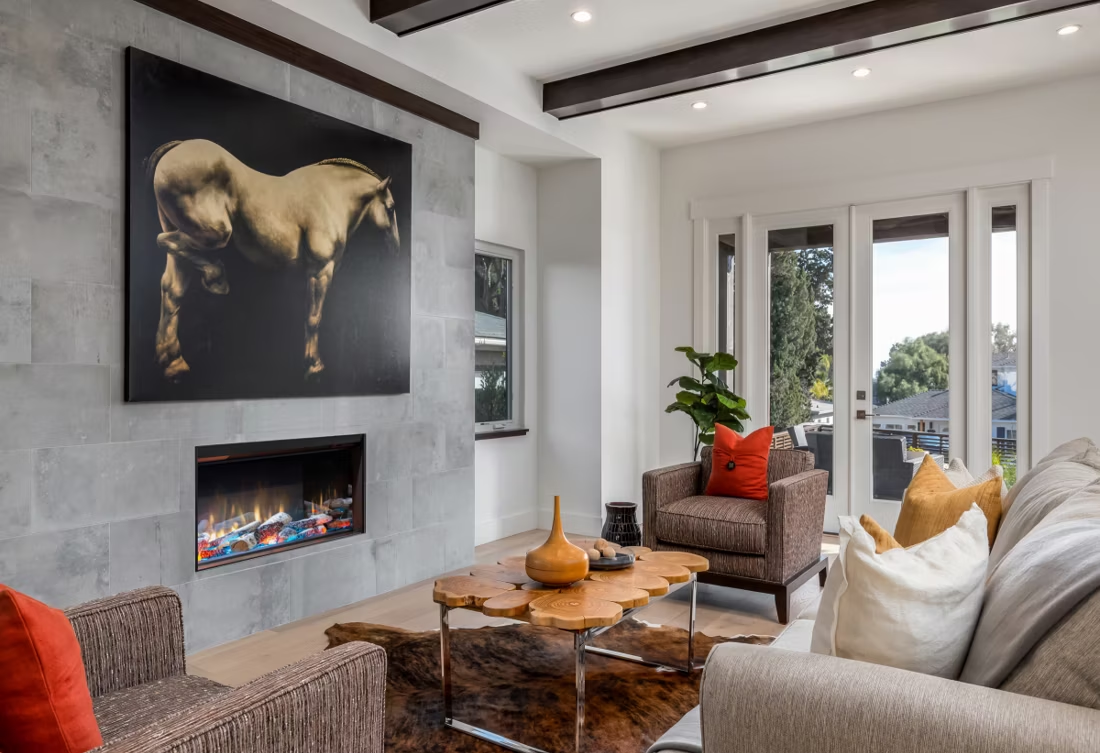
Four cover most of the market: screen-front traditional (mesh front, open feel, fits craftsman homes), traditional door set (the classic look you grew up with), modern linear (wide, low, the statement piece for entertaining), and clean face contemporary (no trim—your tile or stone runs right to the fire's edge). Walk in knowing those four terms and you're ahead of most buyers.
Can I put a TV above my fireplace?
Yes—with an asterisk. Fireplaces are hot and TVs don't like heat. Either put a mantel between them to deflect rising warmth, or choose a fireplace with heat-management technology that creates a cool zone on the wall above—the wall stays around 125 degrees, barely warm, while the room still gets full heat. If you like clean lines and don't want a mantel, heat management is the answer.
Do electric fireplaces actually produce heat?
Yes—most put out around 4,800–5,000 BTUs from a standard outlet, which comfortably warms a bedroom, office, or den as a comfort-zone heater. What they won't do is carry a whole house the way wood, gas, or pellet can. Think of electric as ambiance-first with honest supplemental heat: flames on with no heat in July, flames plus warmth in January.
Nearby Dealers
Hearth shops serving North Battleford and the surrounding area. Every listing shows whether it is a WhyFire partner, a dealer we have verified as authorized for the brands we recommend, or a local business carrying hearth products. No manufacturer pays for placement. How we verify dealers →
E & L Building Contractors
Timberstone Distribution Saskatoon
Artista Interiors Boutique
Flo-Essence Plumbing, Hearth & Decor
Electric Service in North Battleford
An electric fireplace's heater draws about 1,500 watts—pennies per hour at local rates.
SaskPower
Get your free Project Guide & Parts List for a North Battleford electric fireplace.
Tell me about the room and how you plan to use it, and I'll match you with a trusted local dealer and send a free Project Guide & Parts List—sized for your space, with the exact parts your project needs, no chimney or gas line required.
Find Your Fireplace →