
Heat a room in Hanover without a chimney or gas line.
With winter lows averaging -10.9°C and a heating season that runs October through April, Hanover homes lean on natural gas and wood for primary heat—electric fireplaces fill the gap for additions, basements, and rooms where running a flue isn't practical. We'll help you find a trusted local dealer and a Project Guide & Parts List sized to your space.
Every Project Starts From One of These Five Situations
A supplemental heat source for a mixed-fuel town.
Hanover sits in climate zone 6A in the Grey region, where winter lows average -10.9°C and the heating season stretches close to seven months—colder than most of southwestern Ontario but nowhere near what Sudbury or Thunder Bay see further north. Enbridge Gas serves most of the town, and the dense hardwood stands of sugar maple, red oak, white ash, and yellow birch across central Ontario keep wood stoves common in older homes and rural properties around Hanover. Electric fireplaces don't try to compete with either as a primary heat source; they solve a different problem—adding warmth and ambiance to a basement rec room, a sunroom addition, or a condo unit where a chimney or gas line was never in the plan.
Hydro One is the utility most Hanover homes see on their bill, at roughly 12.8 cents per kWh, which keeps a typical electric fireplace's operating cost modest for the hours it actually runs. Installation is simpler too: a plug-in or mantel unit needs nothing more than a standard outlet, and even a hardwired built-in skips the CSA B365 installation code and WETT inspection that wood appliances require for insurance. Most Hanover installs run $500 to $1,600 CAD, a fraction of what a wood or gas project costs here, which is why electric shows up so often as the second heat source in a home that already has a wood stove or gas fireplace doing the heavy lifting.
Three steps. No salesperson until you're ready.
Tell us about your project
Your postal code, your situation, and the fuel you're leaning toward—or let the answers point you to one.
See what's actually available
The brands dealers within 100 miles genuinely carry—real options, never a catalog mirage.
Get your dealer & Project Guide
A trusted local dealer, plus the free Project Guide & Parts List that names every component of the job.
Frequently Asked Questions
How much does an electric fireplace installation cost in Hanover?
Most electric fireplace projects in Hanover run $500 to $1,600 CAD. A freestanding or mantel-style unit that plugs into an existing outlet sits at the low end—there's no venting, no gas line, and often no permit involved. A built-in wall unit or a linear model set into new framing during a basement finish or addition costs more, mainly for the electrician's time running a dedicated circuit and any drywall or trim work around it. Compare that to $6,000-$15,000 CAD for a gas install here and it's clear why electric is the pick for a second room or a rental unit rather than a whole-home heat source.
What does it cost to run an electric fireplace in Hanover?
At Hydro One's residential rate of roughly 12.8 cents per kWh, a typical 1,500-watt electric fireplace costs about 19 cents an hour to run on heat mode, or a few dollars for a full evening. That's cheap for occasional use in a den or bedroom, but it adds up fast if you're trying to heat a whole room through a Grey region winter—at that point a wood stove burning free-cut maple or a gas unit tied to Enbridge service is usually the more economical primary source, with electric staying in its lane as supplemental or ambiance heat.
Do I need a permit to install an electric fireplace in Hanover?
Usually not for a plug-in unit—it's no different from adding a lamp. A hardwired built-in tied into a new dedicated circuit needs to meet Electrical Safety Authority requirements, and if it's part of a larger renovation, the municipal building department may want it noted on your permit for the project. None of the wood-specific requirements apply here—there's no CSA B365 installation code to satisfy and no WETT inspection needed for insurance, which is one of the appeals of going electric in the first place.
Electric or gas—which makes more sense for a Hanover home?
Enbridge Gas serves most of Hanover, and a gas fireplace or insert can genuinely heat a room and keep running during a power outage if it's set up with a battery-backed ignition—useful given how often ice storms roll through Grey region in January and February. Electric can't do that; it goes dark the moment the power does. But electric wins on upfront cost ($500-$1,600 CAD versus $6,000-$15,000 CAD for gas) and on flexibility, since it needs no gas line and no venting at all. Homes already on natural gas for their furnace tend to go gas for a real secondary heat source; electric fits better where the goal is ambiance or light supplemental warmth in a specific room.
Electric or wood—how do they compare for Hanover homeowners?
Grey region sits in some of the densest hardwood country in Ontario—sugar maple, red oak, white ash, and yellow birch are all common firewood species here, and a lot of rural properties around Hanover already have a wood stove for exactly that reason. Wood heats hard and keeps working in an outage, but it comes with a WETT inspection for insurance, CSA B365 installation requirements, and the ongoing work of sourcing and stacking cordwood. Electric skips all of that—no inspection, no chimney, no wood to split—at the cost of real heating capacity. For a finished basement or an addition where wood isn't practical, electric is the obvious fit; for a home that wants a genuine backup heat source, wood usually wins.
Electric or pellet—which is the better fit?
Pellet stoves from brands like Lacwood or Energex, running $400-$575 CAD a ton for fuel, put out serious heat and can carry a room through a Hanover winter the way an electric unit can't. But pellet installs run $6,000-$10,000 CAD and need venting plus a hopper you're feeding regularly. Electric fireplaces cost a fraction of that to install and need zero fuel handling, but they're realistically a supplemental or ambiance choice rather than a primary heat source. If you're weighing the two, the question is usually whether you need the room to carry real heat load through the season or just want warmth and a visual flame for a few hours at a time.
What size electric fireplace do I need for my Hanover home?
Most electric inserts and built-ins are rated for 400 to 1,000 square feet, which covers a typical basement rec room, bedroom, or den without trouble—these units are designed as zone heaters, not whole-house furnaces. For an open-concept living area or a larger addition, you're better off treating the electric fireplace as ambiance and letting your furnace or wood stove carry the actual heat load. A local dealer can walk through your room's layout and insulation before recommending wattage.
Are there rebates available for electric fireplaces in Hanover?
Not specifically—Ontario's current efficiency incentives are mostly aimed at heat pumps and insulation upgrades rather than electric fireplaces, which are considered supplemental heating rather than a home's primary system. Where electric still wins is on the sticker price itself: at $500-$1,600 CAD installed, it's cheap enough that most homeowners don't need a rebate to make the math work, especially compared to a $6,000-plus wood or gas project.
Will my electric fireplace keep working during a power outage?
No—electric fireplaces are entirely dependent on the grid, so when Hydro One service goes down during a winter storm, so does your electric fireplace. That's the main reason a lot of Hanover households pair one with a wood stove or a battery-backed gas unit for genuine outage resilience, and keep the electric fireplace for the rooms where convenience and ambiance matter more than backup heat.
How much does an electric fireplace cost to run?
With the heater on, a typical unit draws about 1,500 watts—at average electric rates that's roughly 20 cents an hour. Run the flame effect alone and it costs pennies; the flames are LED-driven and use about as much power as a light bulb. There's no pilot light, no fuel delivery, and essentially no maintenance.
What fireplace styles should I know before shopping?
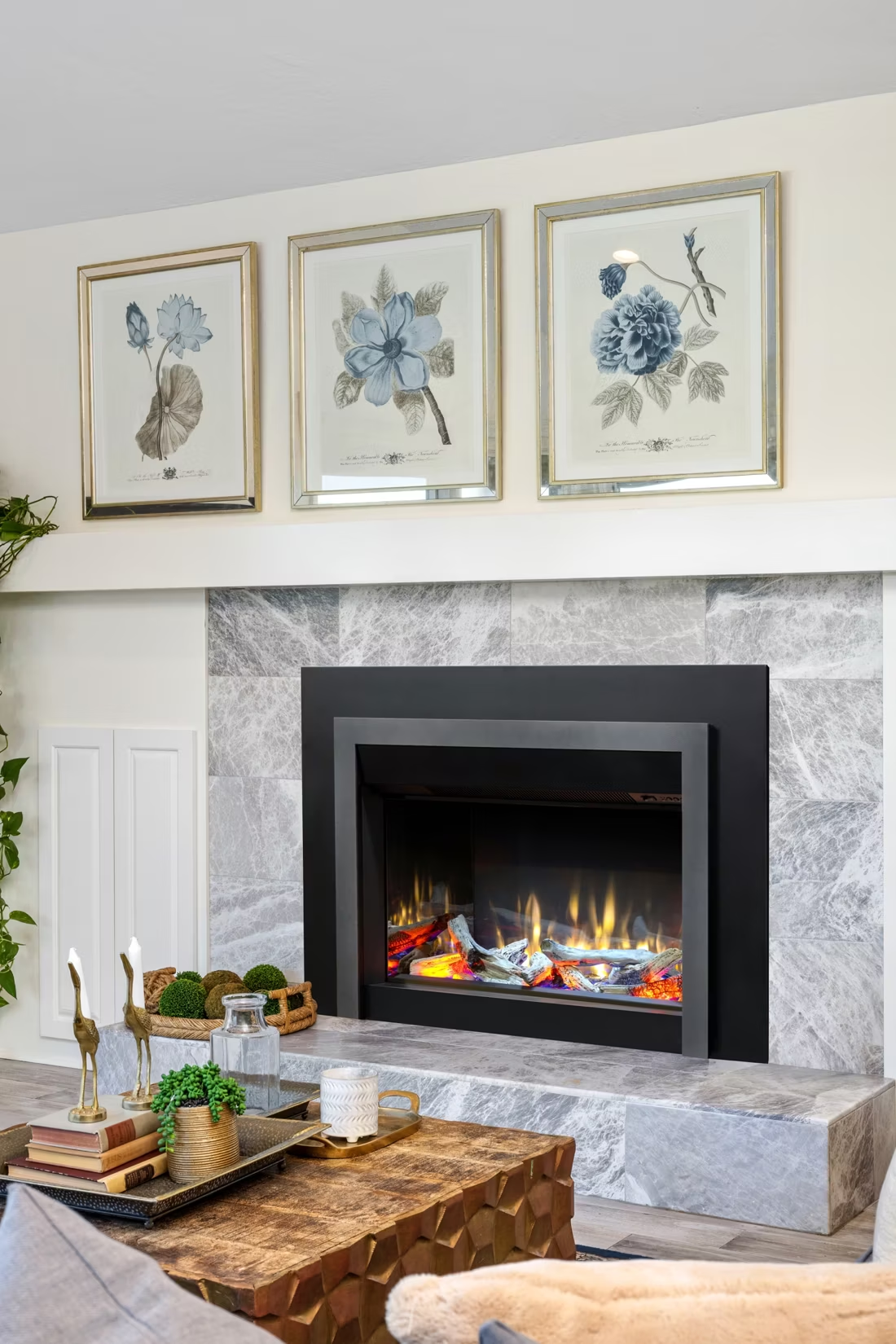
Four cover most of the market: screen-front traditional (mesh front, open feel, fits craftsman homes), traditional door set (the classic look you grew up with), modern linear (wide, low, the statement piece for entertaining), and clean face contemporary (no trim—your tile or stone runs right to the fire's edge). Walk in knowing those four terms and you're ahead of most buyers.
Can I put a TV above my fireplace?
Yes—with an asterisk. Fireplaces are hot and TVs don't like heat. Either put a mantel between them to deflect rising warmth, or choose a fireplace with heat-management technology that creates a cool zone on the wall above—the wall stays around 125 degrees, barely warm, while the room still gets full heat. If you like clean lines and don't want a mantel, heat management is the answer.
Do electric fireplaces actually produce heat?
Yes—most put out around 4,800–5,000 BTUs from a standard outlet, which comfortably warms a bedroom, office, or den as a comfort-zone heater. What they won't do is carry a whole house the way wood, gas, or pellet can. Think of electric as ambiance-first with honest supplemental heat: flames on with no heat in July, flames plus warmth in January.
Nearby Dealers
Hearth shops serving Hanover and the surrounding area. Every listing shows whether it is a WhyFire partner, a dealer we have verified as authorized for the brands we recommend, or a local business carrying hearth products. No manufacturer pays for placement. How we verify dealers →
We’ve paused dealer listings for this connection today. Enter your zip or postal code above to find dealers near you, or come back tomorrow.
Electric Service in Hanover
An electric fireplace's heater draws about 1,500 watts—pennies per hour at local rates.
Hydro One
Toronto Hydro
Alectra Utilities
Get your free Project Guide & Parts List for a Hanover electric fireplace.
Tell us about your room and your panel, and we'll help you find a trusted local dealer and send a free Project Guide & Parts List—sized for your space, with the circuit and mounting details worked out ahead of time.
Find Your Fireplace →